
It's a familiar, though often unwelcome, sight for many homeowners and garden enthusiasts: stepping outside in the morning, looking forward to a coffee in the fresh air, and instead discovering unwelcome remnants on the paving stones or in the grass. The question immediately arises: Cat in the garden and on the patio: what animal was it?
The answer to this question is far more than just mere curiosity. Knowing who is making nighttime visits to one's property is essential for hygiene, the protection of playing children, and the safety of one's own pets. Who Animal droppings in the garden finds should therefore take a closer look before they grab a shovel and broom. This article serves as your comprehensive Animal Identification Helper for Garden Owners and shows you how to identify uninvited guests and properly deal with their traces.
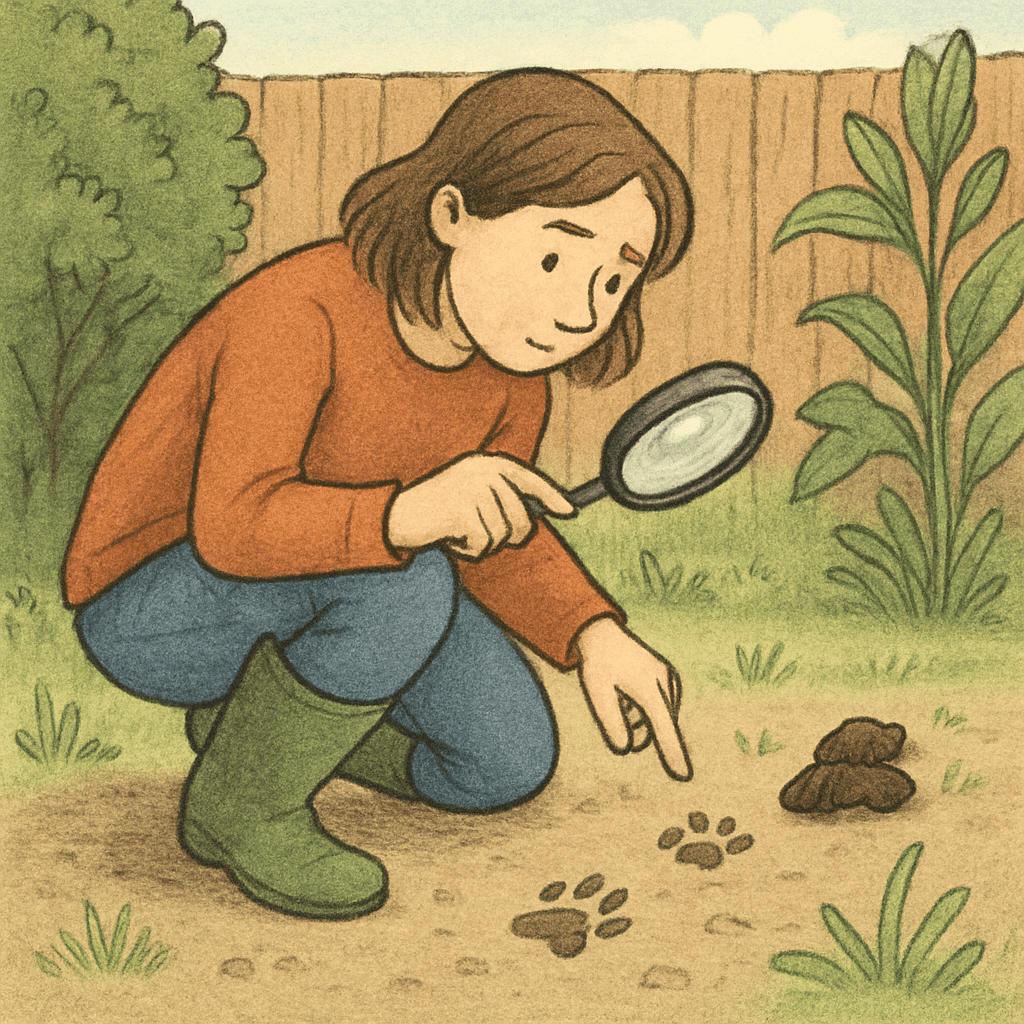
Why is it so important to be able to recognize feces in the garden?
Wild animals in residential areas are no longer a rarity. Foxes, raccoons, martens, and hedgehogs have discovered our gardens as rich food sources and safe havens. If you Recognize fur, not only determine if your garden is an ecological paradise for beneficial insects, but also eliminate potential sources of danger early on.
Special caution is advised when children live in the household. The Health risks from wild animal feces in sandboxes should not be underestimated. Dangerous pathogens such as the fox tapeworm or the raccoon roundworm can be transmitted through their feces. But our beloved pets can also become a problem: Parasites in cat feces in the vegetable garden (such as Toxoplasma gondii) pose a risk if the harvested vegetables are consumed raw and not thoroughly washed beforehand.
Animal Identification by Shape and Color: The Big Guide
To find out who is prowling around your property at night, you'll need to become a tracker. The Animal Identification by Shape and Color is the most reliable method for identifying the culprit. Pay attention to size, consistency, odor, and the exact location of the find.
Rodents: Which animal leaves behind small black droppings?
One of the most common questions from garden owners is: What animal leaves behind small black droppings? If you find tiny, dark droppings, it's usually from rodents. It's important to distinguish between them because a mouse infestation is treated differently than a rat problem.
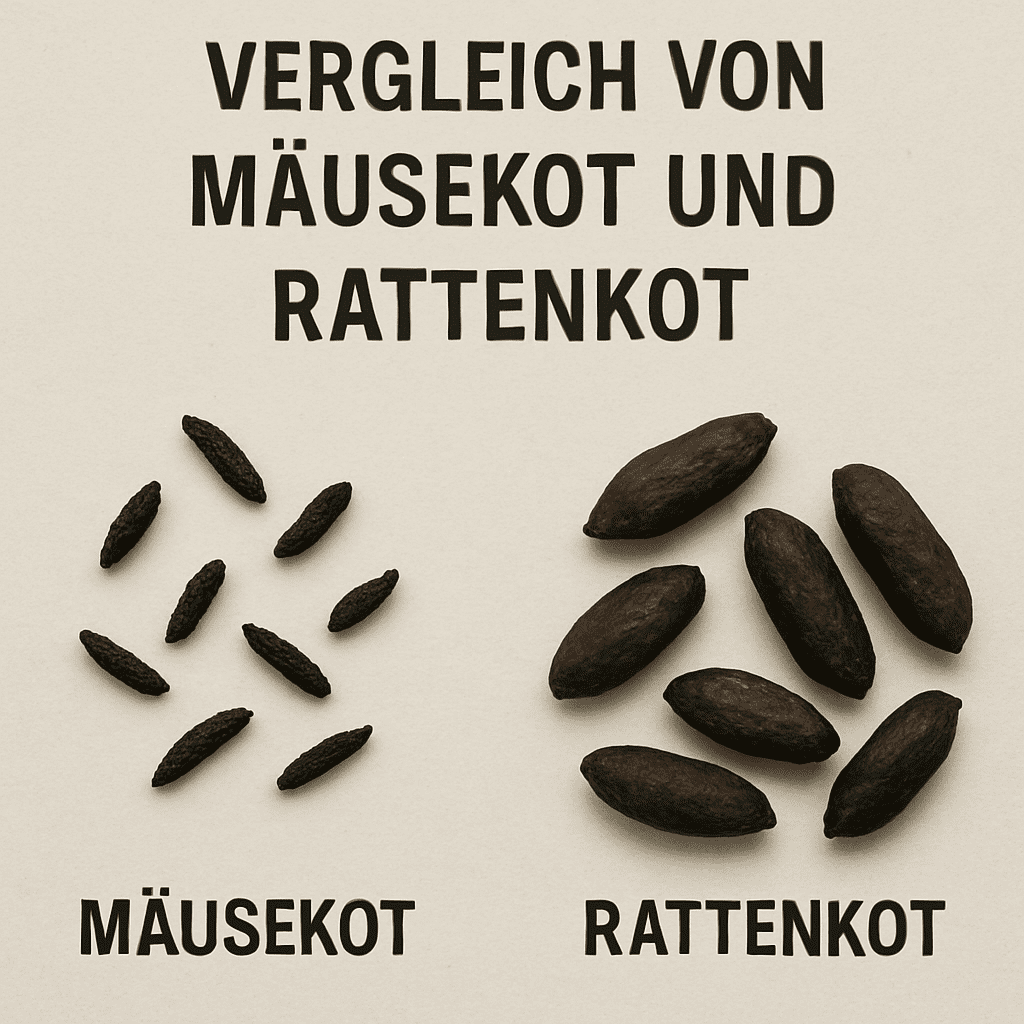
The Rat Droppings vs. Mouse Droppings: Distinguishing Features lie primarily in their size and shape:
- Mouse droppings The droppings are tiny (about 3 to 8 millimeters long), dark, and have pointed ends. Visually, they resemble dark grains of rice. Mice often scatter their droppings randomly along their pathways.
- Rat droppings But What does rat droppings look like compared to mouse droppings? It is significantly larger, usually between 1 and 2 centimeters long. The shape is more banana or worm-like with rounded ends. Rat droppings are often found clustered in specific places (so-called latrines).
If you find small, oval, black droppings near trees, bushes, or under the eaves, it could also be the Dormouse droppings in the garden act. These resemble mouse droppings, but often occur in larger quantities in the sleeping and feeding areas of the nocturnal climbers.
The subtle difference: Marten droppings and hedgehog droppings
Hedgehogs and martens are among the most frequent nocturnal visitors. Since their droppings show a certain similarity at first glance, it is important to Martens feces and hedgehog feces to know.
Hedgehog Appearance and Consistency Hedgehogs are welcome guests because they eat snails and insects. Their droppings are about 3 to 6 centimeters long, dark to black, and cylindrical in shape. Since hedgehogs are insectivores, their droppings often have a slight sheen because they contain undigested chitinous exoskeletons (wings and shells of beetles). The odor is usually unnoticeable outdoors.
Identifying marten droppings: The stone marten uses its droppings to mark its territory. That's why it likes to place them in elevated, highly visible spots – for example, on stones, woodpiles, garden furniture, or in the middle of the patio. Marten droppings are sausage-shaped, about 8 to 10 centimeters long, and often twisted spirally with a tip at the end. They usually contain clearly visible food remnants such as cherry pits, feathers, berries, or hair. The smell is very strong and unpleasant.
Would you like the How to drive martens away from your property with home remedies-Try tips? Strong-smelling substances like dog hair, vinegar, or toilet blocks are often recommended, but they usually only work in the short term. Ultrasound devices or consistently sealing up hiding places are better.
Fox feces in the garden: characteristics and dangers
Foxes are adaptable animals that often roam suburban gardens at night. If you Fox scat in the garden: how to identify it, characteristics check the following:
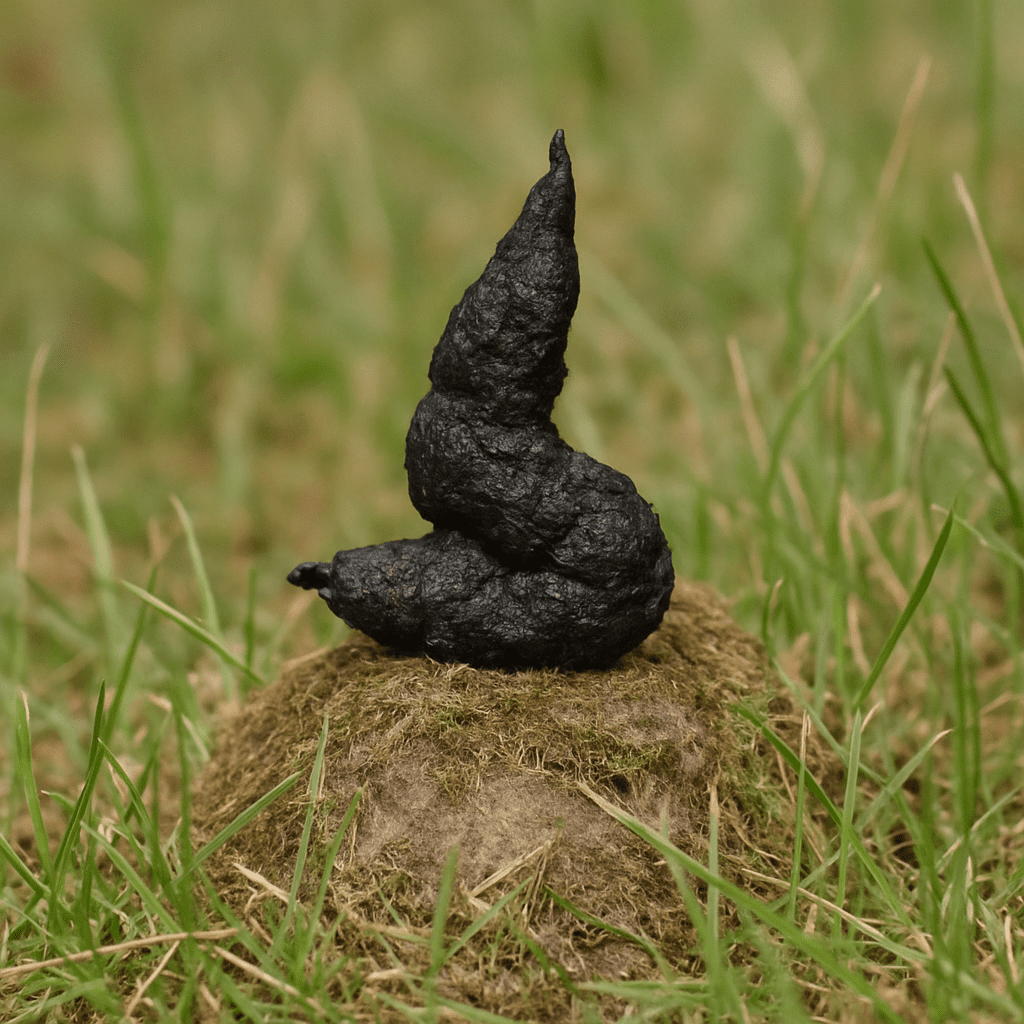
- Shape and size: The feces are approximately 5 to 8 centimeters long, sausage-shaped, and often taper to a sharp point on one side.
- Content: As with the marten, prey remains (bone splinters, hair, feathers) and fruit pits are often found inside.
- Place of discovery: Foxes mark their territory. They like to place their droppings on slight elevations such as molehills, tree stumps, or rocks.
- Smell Fox feces smell extremely pungent and strong (often like musk).
Attention: Fox feces should never be touched with bare hands due to the risk of transmitting the fox tapeworm.
Raccoon feces: Warning, infection risk!
Raccoons are cute, but they are very problematic as roommates in the garden. They set up real „toilets“ (latrines), often in sheltered places on the patio, in attics, or on woodpiles. The droppings are about thumb-thick, cylindrical, and often contain remnants of berries, insects, or household waste.
Since feces can contain the dangerous raccoon roundworm, extreme caution is advised when cleaning. Here is a safe How to remove raccoon droppings from a patio:
- Protective clothing Be sure to wear disposable gloves and an FFP2 mask to avoid inhaling any eggs.
- Do not sweep or vacuum: This stirs up the invisible parasite eggs.
- Record Pick up the feces with an inverted plastic bag, tie it airtight, and discard it in the general waste (not compost!).
- Disinfect The eggs of the raccoon roundworm are extremely resistant to chemical disinfectants. Pour boiling water over the affected area on the patio. For non-sensitive paving stones, you can carefully flame the area with a gas burner (weed burner) to kill all eggs completely.
More Exotic Finds: Amphibians and Birds
Sometimes you find tracks that you would initially attribute to a mammal, but which have completely different origins.
Recognizing toad droppings on the patio: Yes, toads (like the common toad) also leave droppings, and for the size of the animal, they are surprisingly voluminous. They are dark, cylindrical, and look very similar to hedgehog droppings. The difference: toad droppings break down very easily when dry and consist almost exclusively of fine insect and ant remains. You can often find them in the morning on warm patio tiles where the amphibians have been during the night.
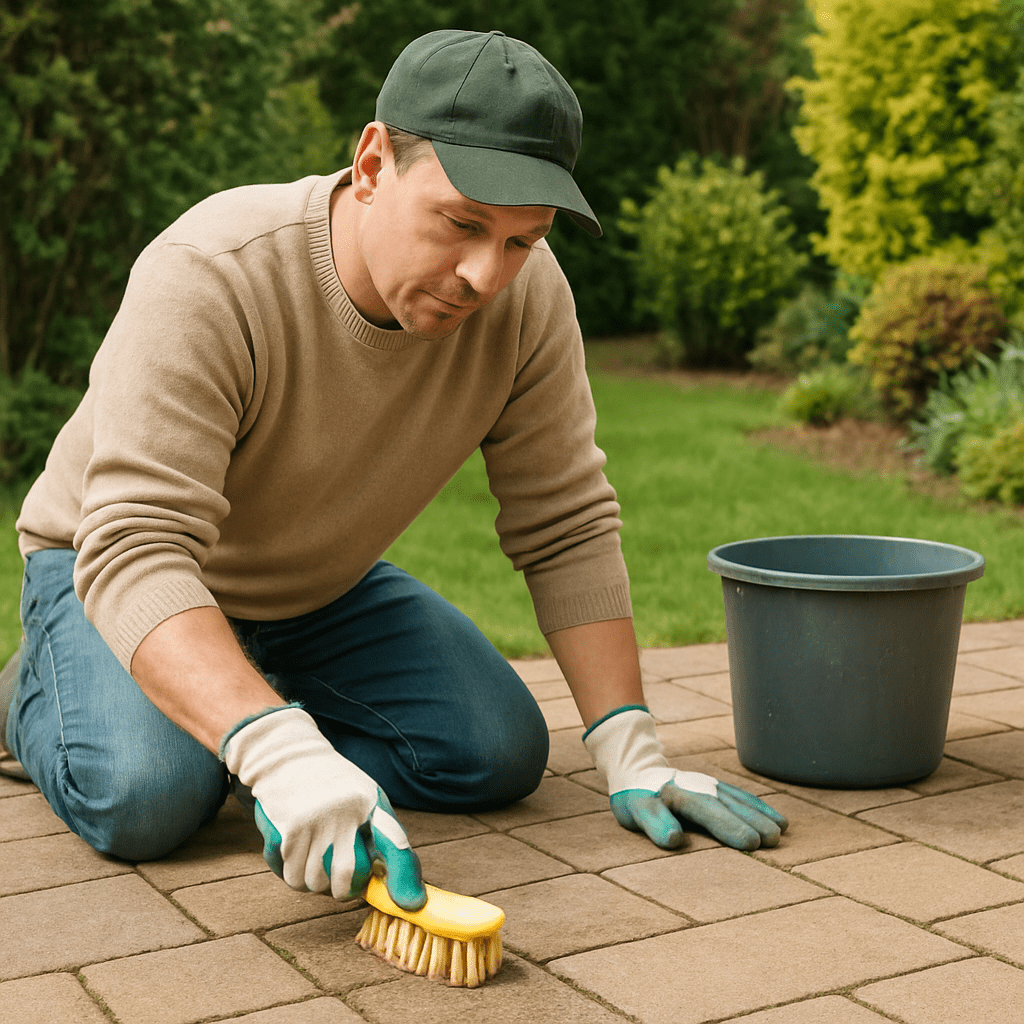
Bird droppings Bird droppings are usually easy to identify (white with a dark spot in the middle), but can leave stubborn marks. If you Remove bird droppings from stones When cleaning, avoid aggressive chemicals that could damage the natural stone. Soak dried feces with a damp cloth for ten minutes. After that, it can usually be scrubbed off without problems with warm water, some mild soft soap, and a soft root brush.
Practical tips for garden owners on dealing with animal feces
If you regularly Recognize fur must, this primarily indicates a vibrant ecosystem around your home. Nevertheless, basic hygiene rules should be observed:
- Always wear gloves: No matter which animal left the droppings, never touch them with bare hands.
- Cover sandboxes: To minimize health risks, always cover sandboxes with a tarp or wooden lid after playtime. This prevents cats or foxes from using the sand as a litter box.
- Wash produce Vegetables that grow close to the ground (like lettuce or strawberries) must be washed thoroughly under running water to prevent the transmission of parasites.
- Reduce food sources: Avoid leaving pet food outside overnight. Secure your garbage cans and do not put cooked food scraps or meat in your compost. This magically attracts rats, raccoons, and foxes.
Conclusion
The question „Cat in the garden and on the patio: what animal was it?“can usually be answered quickly with a little observation and the right background knowledge. Whether it's harmless droppings from a hedgehog, marking left by a marten, or potentially dangerous feces from a raccoon and fox – if you know what you're dealing with, you can react appropriately.
Use this guide to better understand the animal visitors in your garden. With a few simple preventative measures and the right hygiene, you can continue to enjoy your garden carefree – in perfect harmony with the local wildlife.
