
Every passionate gardener knows this moment: You turn your back on the garden for just a few rainy days, and suddenly a green carpet has spread over beds and paths. When we talk about Worst Weeds: 15 Groundcover Weeds speak, we mean those highly invasive plants that multiply at lightning speed and rob our lovingly planted crops of light, water, and nutrients.
Before we go into battle, however, it is important to Difference between weeds and wild herbs to understand. Botanically speaking, there is no such thing as a „weed.“ They are simply wild plants that grow at the wrong time in the wrong place and disrupt our garden design. Many of these plants are ecologically valuable and important food sources for insects. Nevertheless, they can become overgrown in vegetable or ornamental gardens.
In this comprehensive guide, we'll take a close look at the worst invaders and show you field-tested, sustainable solutions.
Worst Weeds: An Overview of 15 Groundcover Weeds
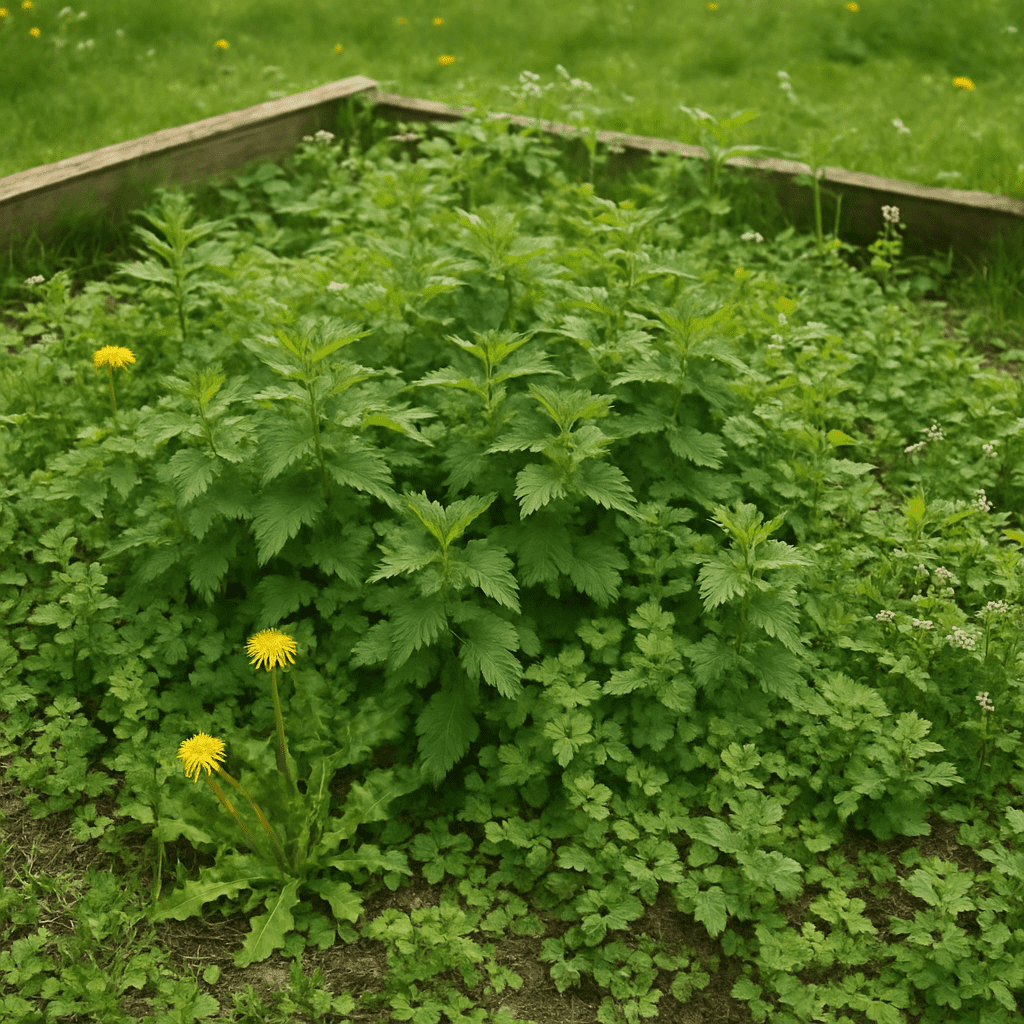
Some groundcover weeds are particularly stubborn. They form dense mats, reproduce via underground runners (rhizomes), or distribute thousands of seeds. Here are the 15 biggest challenges for any gardener:
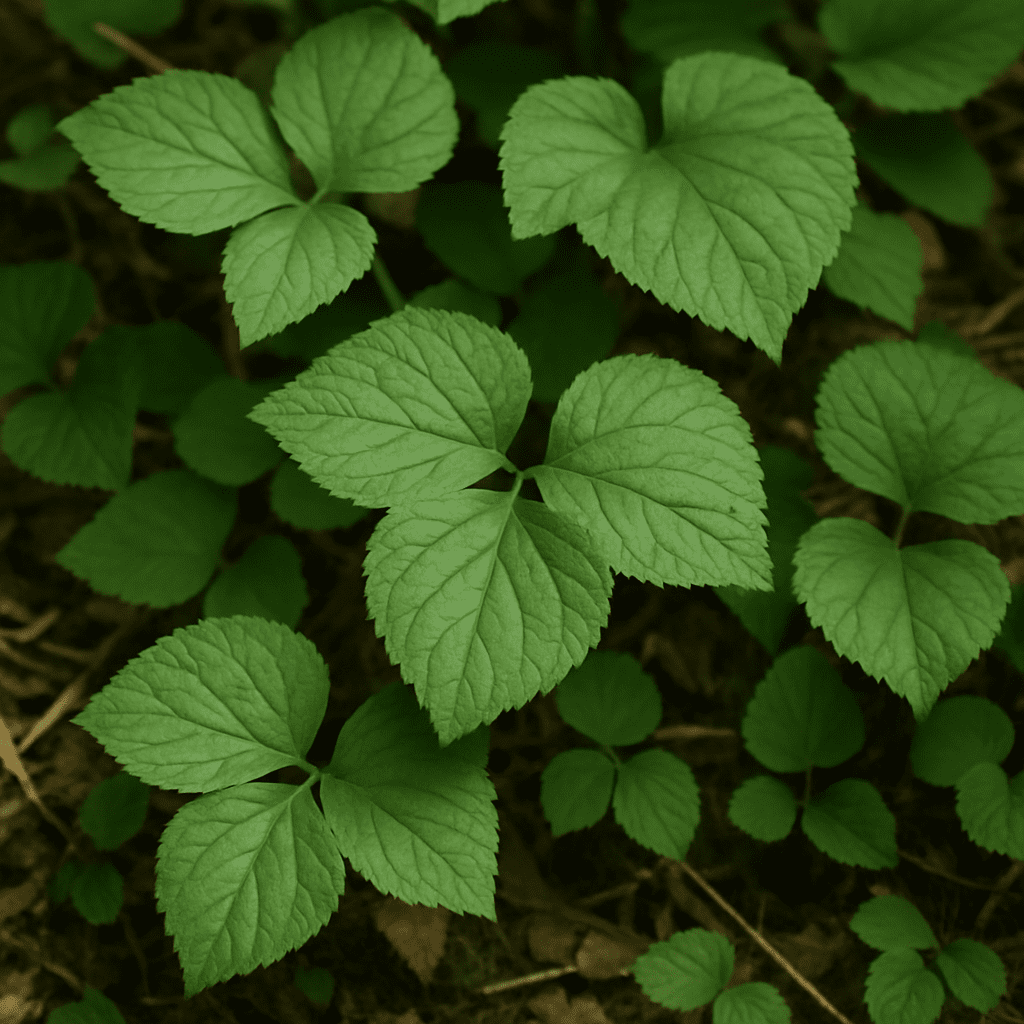
- Goutweed (Aegopodium podagraria): The absolute nightmare of many garden owners. Even the smallest piece of root in the soil will sprout again.
- Field horsetail (Equisetum arvense): Its roots reach up to two meters deep into the earth. An indicator of compacted, moist soils.
- Creeping buttercup (Ranunculus repens): The image shows above-ground runners that immediately form new roots at the leaf nodes.
- Field bindweed (Convolvulus arvensis): It doesn't just creep on the ground, but wraps itself extremely tightly around other plants, suffocating them.
- Chickweed (Stellaria media): A typical light-germinator, it rapidly covers bare soil with a light green carpet.
- Yellow Wood-sorrel (Oxalis corniculata) Its seed pods explode on contact, flinging the seeds meters across the garden.
- Gundermann (Glechoma hederacea): A creeping weed that particularly thrives in damp, shady corners.
- Quackgrass (Elymus repens) A sweet grass with razor-sharp, pointed rhizomes that can even grow through potato tubers.
- White clover (Trifolium repens): Perhaps the best-known Weeds in the lawn. It displaces grasses and attracts bees (which can end painfully if you step on it barefoot).
- Slender Speedwell The picture shows pretty blue flowers, but it takes over entire lawns at a rapid pace.
- Lesser celandine (Ficaria verna): After flowering in spring, it completely recedes, but leaves hundreds of small bulbils in the soil.
- Creeping Bugleweed (Ajuga reptans): Actually a beautiful perennial, but it often spreads uncontrollably through runners.
- Broadleaf plantain Resistant to trampling and robust, it likes to settle in cracks and on compacted paths.
- Silverweed (Potentilla anserina): An extremely tough, spreading rose plant.
- Japanese Knotweed (Fallopia japonica): The top tier of problematic plants. It grows up to 30 cm a day and even destroys asphalt with its rhizomes.
Identifying and differentiating invasive groundcovers
Not everything that crawls on the ground is an enemy. Many gardeners deliberately choose Plant ground cover like periwinkle (Vinca minor) or geranium. Identifying and differentiating invasive groundcovers Being able to do so is therefore essential. Desired groundcovers usually grow predictably and are easily contained.
It becomes problematic with neophytes. But How to identify invasive neophytes? These are non-native plants (like Japanese knotweed) that have no natural enemies in the native ecosystem. They grow unnaturally fast, completely displace native species, and are almost never stopped by simply pulling them out. If a plant completely dominates a bed within a few weeks and forms extremely deep, thick root systems, you are most likely dealing with an invasive species.
The best weed control strategies
Thermal Weed Control vs. Mechanical Weeding
When weeds are already growing, gardeners often face the choice of the right method. Thermal weed control vs. mechanical weeding is a frequently discussed topic.
- Mechanical weeding: The classic. The plant is removed with its roots using a rake, a weeding fork, or your hands. It's environmentally friendly but requires strength. This method is especially effective for root weeds (ground elder, couch grass), but requires extreme thoroughness.
- Thermal control: Flaming devices (gas or electric) are used here. The heat causes the plant cells to burst, and the weeds dry out. This is excellent for paving joints, but dangerous for cultivated plants in dense perennial beds. Additionally, the heat often doesn't reach deep roots, meaning the treatment has to be repeated.
Are you looking for a Home remedies for stubborn weeds in the lawn or on paths? Hot noodle or potato water (without salt!) poured over the leaves has a similar effect to a thermal device. However, you should be careful with this on lawns, as the surrounding grass will also be scorched. Often, only a manual weed puller helps here.
Defeat specific enemies strategically
Some weeds require special tactics:
How to combat goutweed without chemicals: Forget the tiller! It would only split and multiply the roots. Loosen the soil deeply with a digging fork and practically sift the earth, removing every white root fragment. Alternatively, you can deprive it of light: Cover the affected area with thick cardboard and mulch for one to two years.
How do I get rid of creeping buttercup? Creeping buttercup thrives in waterlogged and compacted soil. Pulling up the above-ground runners only provides short-term success. For long-term solutions, only Soil improvement for weed prevention. Work plenty of coarse sand and ripe compost into the soil to improve drainage. Loose soil deprives the buttercup of its livelihood.
Permanently destroy field bindweed in the garden: Similar to buttercups, horsetail is an indicator plant for soil compaction, often combined with acidic pH. Deep digging provides little help, as the roots are meters deep. To the Permanently destroy field horsetail in the garden To be able to, you need to aerate the soil (e.g., through green manuring with deep-rooted plants such as lupins) and liming if necessary. Consistent above-ground cutting weakens the plant over the years.
Removing Weeds in the Garden Effectively: You have to untangle vines with great patience. Don't just pull on the tendrils, or they will break off and regrow. To Effectively remove weeds in the garden To be able to do so, you must trace the main shoot back to its root in the ground and dig it out as deeply as possible with a long weed puller.
Prevention: Don't let weeds grow in the first place
The best work is the work that can be avoided. With the right preventive measures, you can significantly reduce maintenance effort.
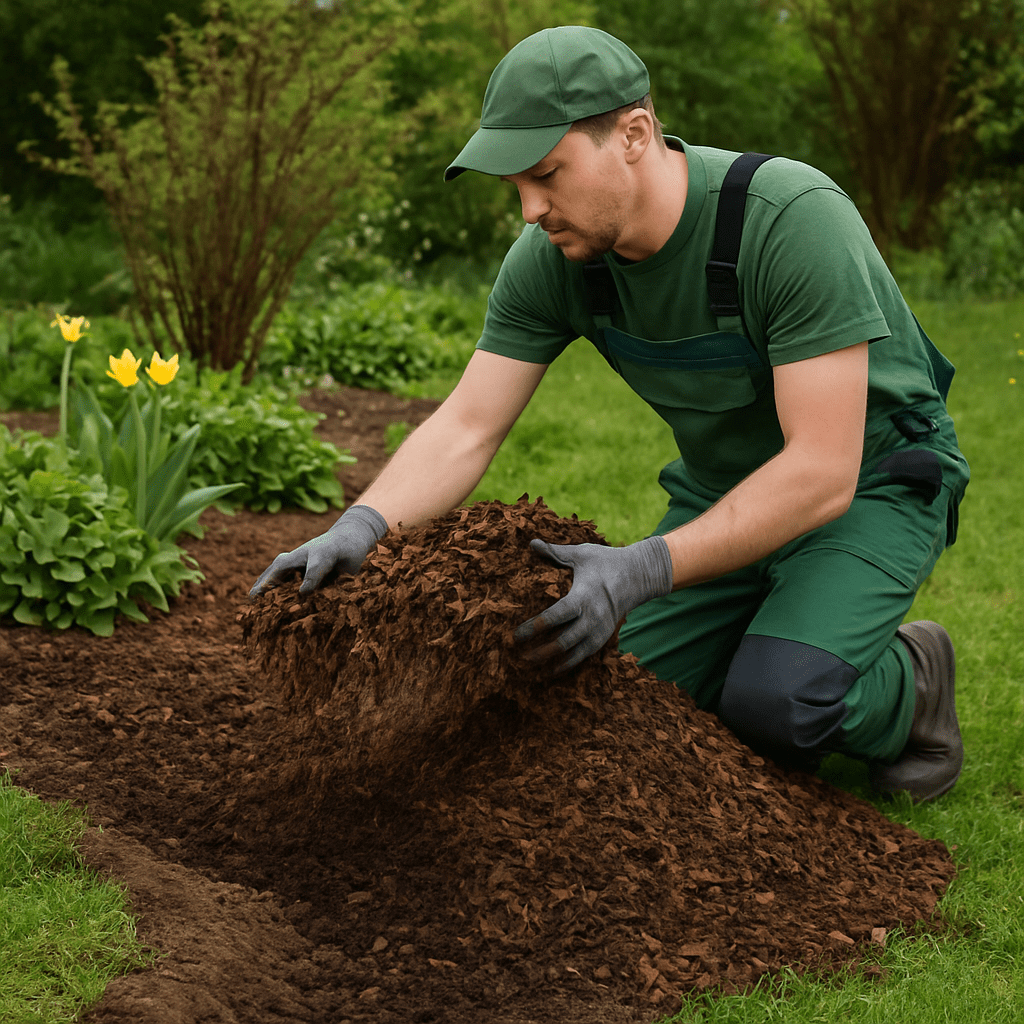
Mulching as protection against light-germinating weeds
Open soil is an invitation to flying seeds. Mulching as protection against light-germinating weeds (such as chickweed or dandelion) is extremely effective. A 5 to 7 cm thick layer of bark mulch, wood chips, or grass clippings prevents seeds from germinating in the soil. Mulch also retains moisture in the soil.
Lay weed control fabric against root weeds
If you are completely redoing a flower bed and know that the soil is heavily infested with couch grass or ground elder, you should Lay weed control fabric against root weeds.
- Clear the area of coarse weeds as much as possible.
- Spread out a high-quality, thick (at least 100g/m²) non-woven fabric or garden fleece.
- Cut X-shaped slits for your desired plants into the fleece.
- Then cover the fleece completely with mulch or gravel, as it is not UV-resistant.
Setting Boundaries: Controlling Spreading Plants in the Garden Bed
To prevent fast-growing plants from overgrowing from the neighboring bed, you must Control spreading plants in beds. If you missed this when setting it up, it's not the end of the world. Here's a quick Installing a Root Barrier - Instructions:
- Dig a trench (about 40 to 60 cm deep) around the aggressive plant or along the border of the bed.
- Install a stable HDPE plastic root barrier vertically in the trench (available on rolls at the hardware store).
- Allow the barrier to extend approximately 3 to 5 cm above the soil surface so that roots cannot climb over it.
- Securely fasten the ends of the lock together with a special aluminum rail.
- Refill the trench with earth and tamp it down firmly.
The Best Defense: Plants That Crowd Out Weeds
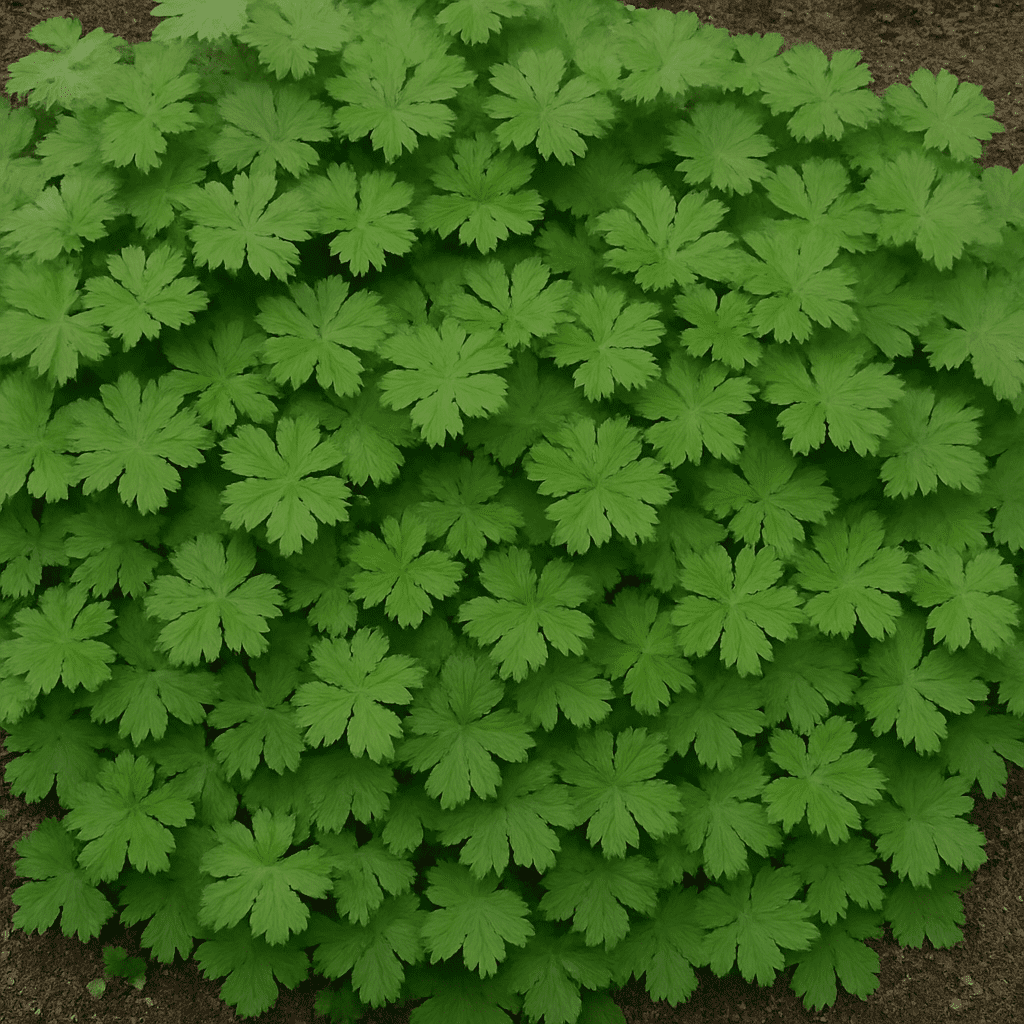
Nature abhors a vacuum. Instead of fighting weeds, let others do the work for you! Strategically plant Plants that displace weeds. Densely growing ground cover plants take away light and space from weeds.
Excellent ground cover plants for weed control include:
- Bigroot geranium (Geranium macrorrhizum): The plant forms dense carpets and smells intensely, which even repels slugs.
- Waldsteinia (Waldsteinia ternata): An evergreen ground cover with yellow flowers, perfect for partial shade.
- Barrenwort (Epimedium): Ideal for difficult, dry locations under trees.
- Thyme (Thymus serpyllum): Perfect for sunny, dry locations and a dream for bees.
Conclusion: Patience and the right technique
The list „Worst Weeds: 15 Ground Cover Weeds“ might seem intimidating at first glance. But with the right approach, even the most stubborn ground elder loses its terror. It's important to know your soil type in order to prevent weeds long-term through soil improvement. Combine mechanical weeding with clever strategies like mulching, weed mats, and competitive ground covers. Those who understand nature have less to fight against – and ultimately have more time to comfortably enjoy their dream garden from a deck chair.
