
Who doesn't dream of a beautiful garden where you spend more time in the lounge chair than with the hedge trimmer? An effective Privacy screen in the garden without regular pruning is the absolute ideal for many homeowners. The good news: there are fantastic low-maintenance garden plants, which offers you just that.
If you can do without the classic, millimeter-perfect groomed look and prefer a more natural appearance, many options are open to you. In this article, we will introduce you to 16 low-maintenance hedges that don't need pruning, in detail and give you valuable tips for planning and planting.
Wild hedge vs. pruned hedge: Letting nature do the work
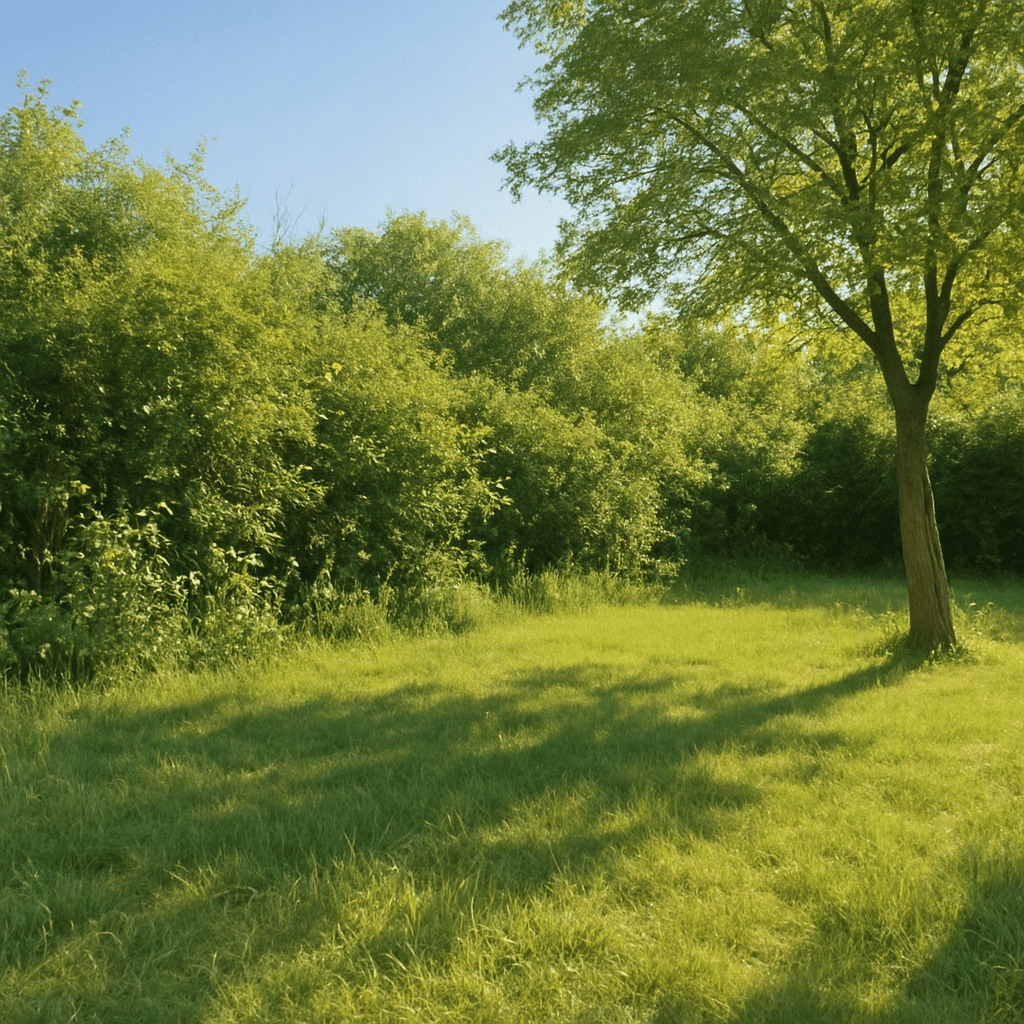
When it comes to garden design, you inevitably encounter the duel Wild hedge vs. trimmed hedge. While a classic trimmed hedge (like thuja or traditional boxwood) needs to be shaped once or twice a year with electric tools, a free-growing hedge can be allowed to develop naturally.
Giving up the harsh cut not only saves an enormous amount of time and effort. Ecological value of wild shrub hedges is priceless. They offer birds nesting sites, insects valuable food, and hedgehogs a safe haven. Such low-maintenance hedges are a win for you and the environment.
16 low-maintenance hedges that don't need pruning
To make your choice easier, we've divided our favorites into practical categories. This way, you're sure to find something suitable. low-maintenance plants for your property.
Evergreen Favorites for Year-Round Privacy
If you are looking for privacy, you are Evergreen shrubs with limited growth height the best choice. They keep their foliage in the winter and grow naturally compact. Many homeowners wonder: Yew or cherry laurel for low maintenanceThe answer depends on the variety chosen.
- Dwarf Cherry Laurel (‚Otto Luyken‘) Grows very slowly and more in width. An ideal, low privacy screen that requires hardly any work.
- Yew (Taxus baccata): Grows very slowly. If allowed to grow freely, it forms a picturesque, dense habit over the years without formal pruning.
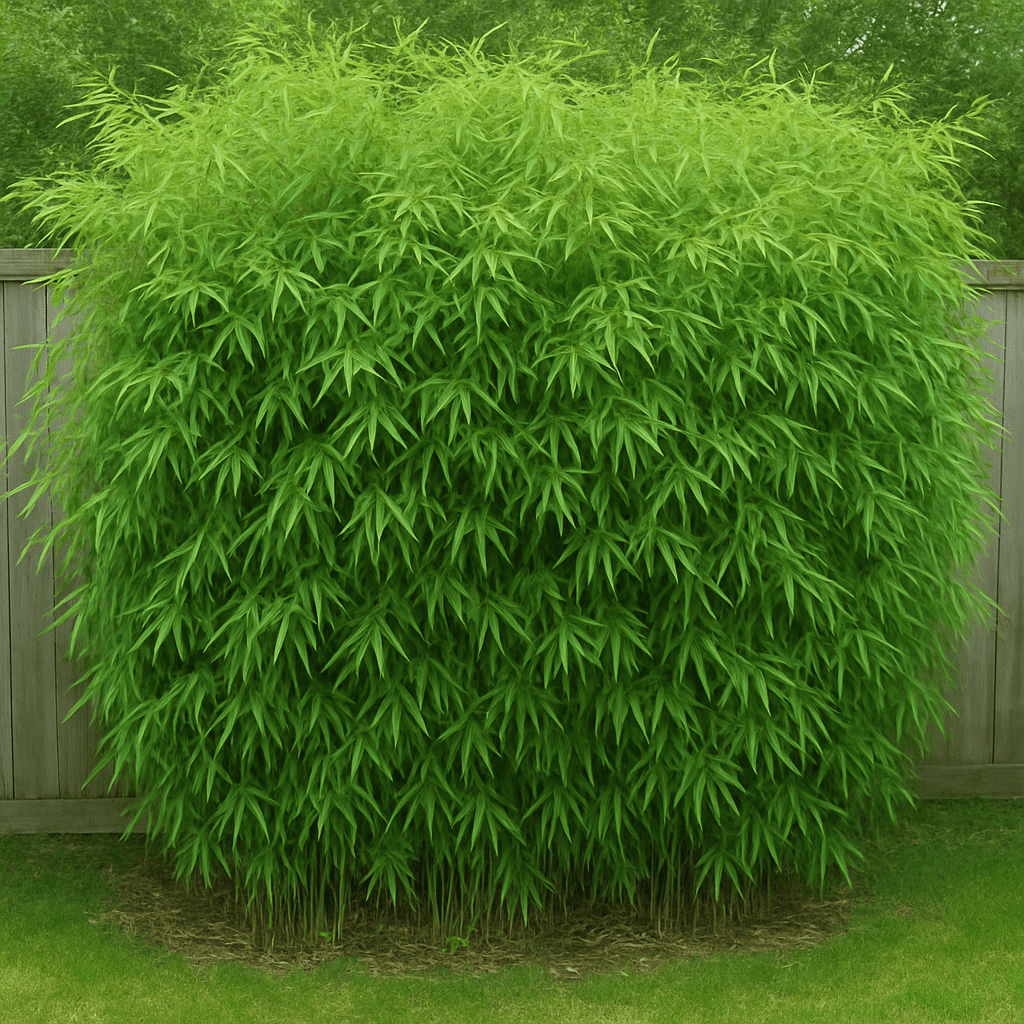
- Umbrella bamboo (Fargesia): Ideally Bamboo for a privacy hedge without runners. The Fargesia variety does not form troublesome rhizomes and does not need to be cut back in height if you buy the appropriate final height right away.
- Oregon Grape (Mahonia aquifolium): An evergreen shrub with yellow flowers in spring and blue berries in autumn. Grows compactly and slowly.
- Rhododendron Perfect for semi-shady to shady locations. It grows slowly and captivates with beautiful evergreen foliage.
Blooming Beauties for Nature Lovers
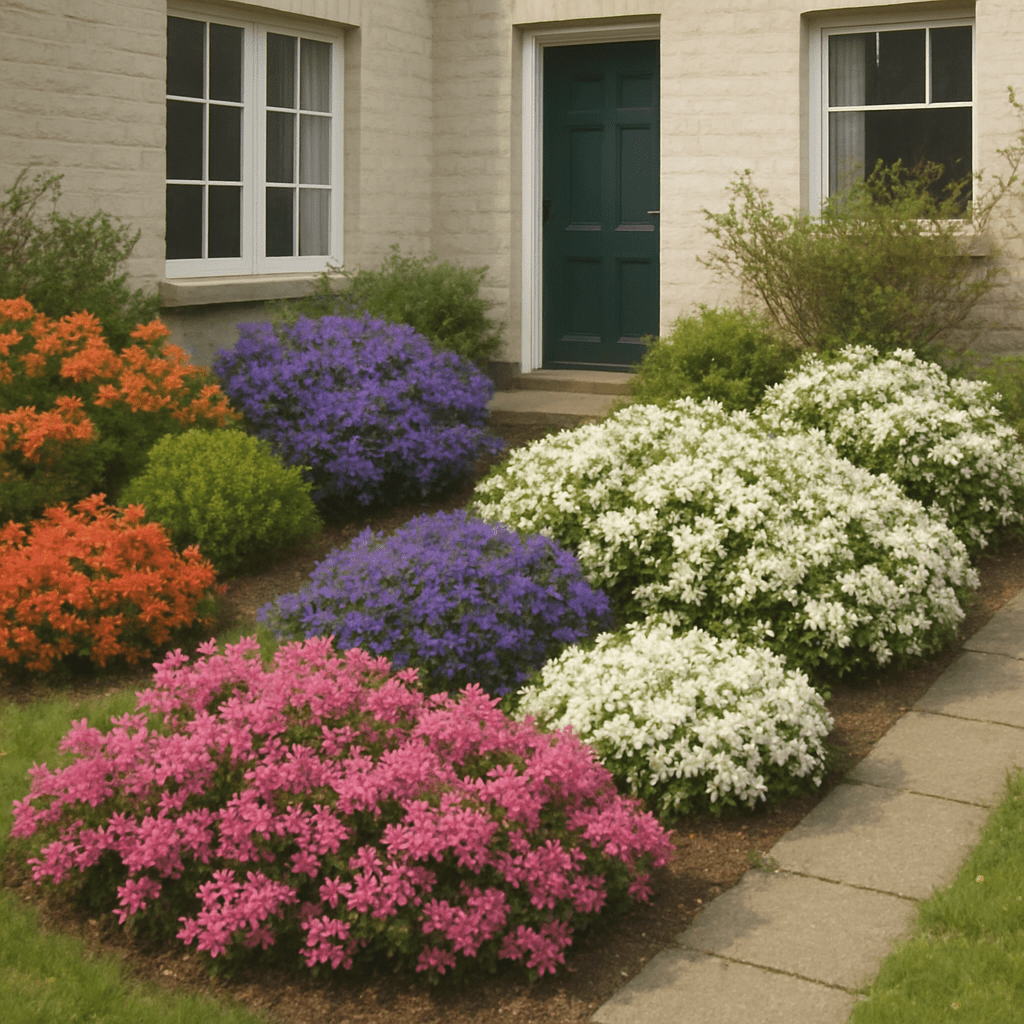
A freely growing flowering hedge for the natural garden brings dynamism and color to your property. These shrubs only require a light rejuvenation pruning (thinning out old branches) every few years, but no regular shaping.
- Spiraea (Spiraea): Hangs elegantly and captivates with a white bloom.
- Weigela: Grows bushy and puts on a show in early summer with countless pink to red bell-shaped flowers.
- Mock orange (Philadelphus): In early summer, it gives off a wonderful fragrance and grows into a beautiful, cascading form on its own.
- Shrubby cinquefoil (Potentilla fruticosa): A long bloomer from June to October. Naturally stays low (approx. 1 meter).
- Beautybush (Kolkwitzia amabilis): The „mother-of-pearl bush“ grows very densely and is covered in pink flowers in May.
- Butterfly bush (Buddleja davidii): Attracts butterflies magically. Those who like a wild look can simply let it grow.
Space-saving wonders for small gardens
Do you have little space? Then space-saving hedges for narrow plots asked. Here they score Slow-growing hedge plants for small gardens, who don't let the property get overgrown.
- Dwarf Japanese Barberry (Berberis thunbergii ‚Atropurpurea Nana‘): A red eye-catcher that grows extremely slowly and forms a natural ball shape.
- Dwarf Lilac (Syringa meyeri ‚Palibin‘) Grows compactly to a maximum height of 1.5 meters and captivates with its fragrance.
- Skimmia (Skimmia japonica): An evergreen, very slow-growing plant for shady small gardens.
- Japanese Holly (Ilex crenata): A great boxwood alternative that requires little care in dwarf varieties.
- Japanese Spirea (Spiraea japonica ‚Little Princess‘): A ground cover shrub that forms dense cushions and looks wonderful when left untrimmed.
Important questions during planning
Which hedge does not grow tall?
If you want to prevent your hedge from literally growing over your head, opt for dwarf varieties (often marked with „Nana,“ „Compacta,“ or „Dwarf“ in their name). Shrubs like potentilla or dwarf spirea naturally stop growing at under a meter in height.
Legal: Setback for unclipped hedges
Who low-maintenance shrubs for the property line plants, one must observe neighbor law. Since free-growing hedges often become significantly wider than shaped cut hedges, the Setback for uncut hedges essential. Always plan for at least 1 to 1.5 meters of clearance from the property line so that the shrubs can overhang without disturbing the neighbor.
Hardy privacy plants without formal pruning
When purchasing, ensure that the plants are adapted to your local climate. Plants such as yew, Fargesia bamboo, or hardy wild roses are absolutely Hardy privacy plants without formal pruning. They brave frost and snow and look splendid again in spring without your help.
Practical Session: How do I design a low-maintenance natural garden hedge?
Designing a maintenance-free hedge begins right at planting. Here's a short Instructions for planting a natural hedge, which will save you long-term work:
- Mix plant selection: Combine 3-4 different types from our list „16 low-maintenance hedges that don't need pruning.“ This will ensure staggered bloom times and protect against total crop failure due to pests.
- Planting distance generously measured: Since you don't want to prune, the plants need space to reach their natural growth width. For large shrubs, plan for about 1 to 1.5 meters distance between them.
- Prepare the soil: Loosen the soil deeply and work in mature compost. This gives your plants the perfect start.
- Weed barrier and mulch: To avoid weeding in the first few years, a layer of mulch is recommended under the hedge.
- Watering during the establishment phase: Even the easiest-to-care-for plants need regular water in the first year after planting to develop deep roots.
Conclusion: Less work, more garden idyll
A garden should be a place of relaxation. By opting for a free-growing hedge, you significantly reduce the pressure of gardening. Whether it's blooming natural beauty, a compact dwarf shrub, or elegant umbrella bamboo – the selection is vast.
Please note the final size of the plants and the boundary distances to your neighbor. If you follow these basic rules and choose from our top candidates, you will enjoy a dense, vibrant privacy screen for many years – without any annoying trimming!
