
Anyone who cultivates their own garden knows the constant competition between carefully cultivated plants and stubborn weeds that spread uninvited. One of the most common and persistent guests in our beds is Lambsquarters (LambsquartersIf you find that this herb is taking over your vegetable or ornamental beds, you're not alone. Its rapid growth and enormous seed production make it a real challenge for hobby gardeners.
But with the right knowledge and a well-thought-out strategy, you can Get rid of white goosefoot effectively, without resorting to harsh chemicals. In this comprehensive guide, you will learn not only how to permanently banish this plant from your garden but also what it can tell you about your soil quality, and whether you can even use this unwelcome weed for culinary purposes.
The Goosefoot Plant: A Master of Adaptation and Propagation
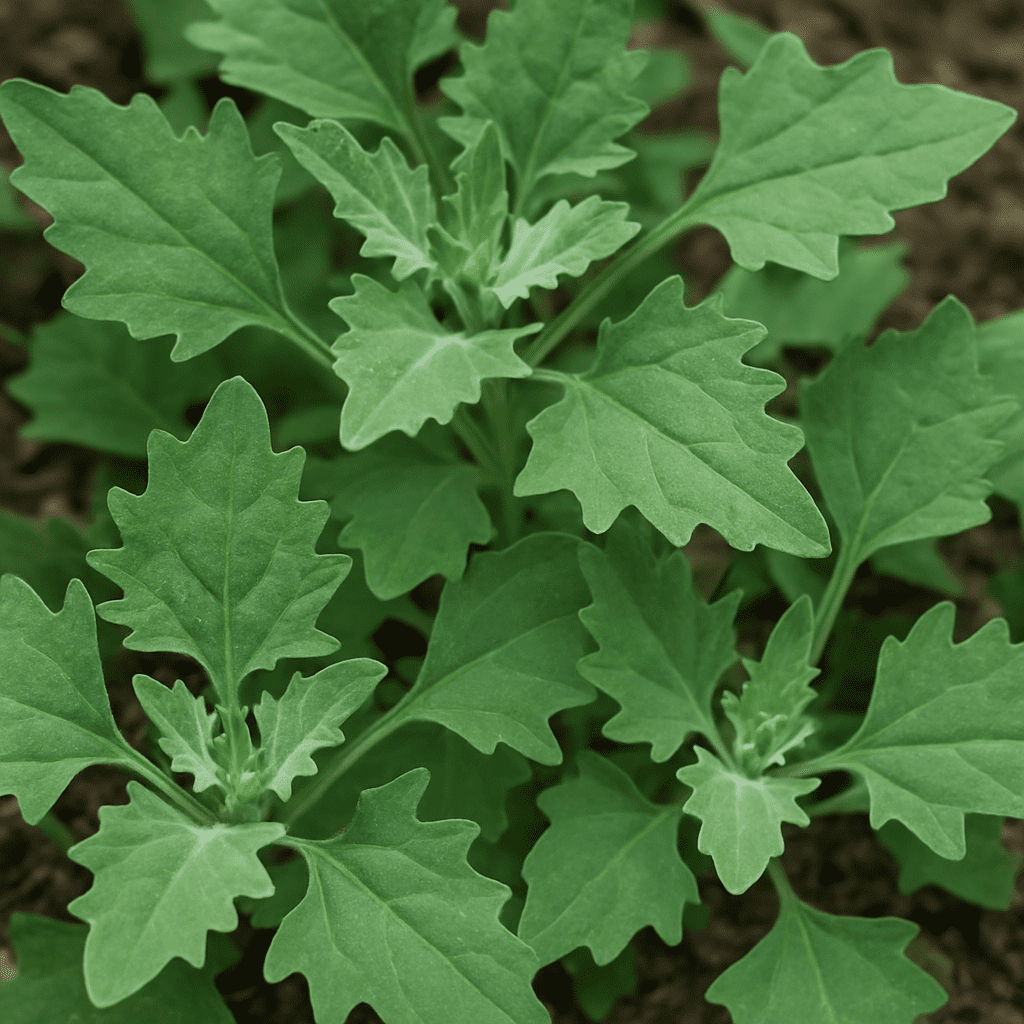
To beat the enemy in the bed, you must first understand them. Goosefoot plant belongs to the amaranth family and is found worldwide. It owes its name to the distinctive shape of its leaves, which resemble a goose's foot. Another unmistakable characteristic is the white, mealy coating on the younger leaves and stems, which gives the plant its first name.
This plant is a true survivor. A single large specimen can produce up to 1.5 million seeds that can survive in the soil for decades. If you dig it up Germination conditions for goosefoot seeds in the garden bed When you consider this, it quickly becomes clear why it's spreading so rapidly: The seeds require light to germinate and prefer warm, well-ventilated, and nutrient-rich soils. As soon as you turn over the earth in spring or summer, you bring thousands of dormant seeds to the surface, where they are immediately activated by sunlight.
What the plant tells us about our garden
Wild herbs don't just grow randomly; they establish themselves where the conditions are ideal for them. The Goosefoot as an indicator plant for soil quality provides you with valuable information. Its abundant presence usually signals a soil rich in humus and, above all, nitrogen. If it thrives in your beds, it basically means something good: your soil is fertile and full of nutrients, making it ideal for heavy feeders like tomatoes, pumpkins, or cabbage.
Use or danger: Is white goosefoot edible or poisonous?
Before we turn to combat, it's worth taking a look at a frequently asked question: Is white goosefoot edible or poisonous? The surprising answer is: It is absolutely edible and even very healthy!
White goosefoot was once valued as a nutritious vegetable before being displaced by cultivated spinach. It is rich in vitamin C, iron, calcium, and protein. The young leaves can be excellently used as a spinach substitute, in salads, or in green smoothies.
A small note of caution: Like spinach or chard, lamb's quarters also contains oxalic acid. If you are prone to kidney stones or sensitive to oxalic acid, you should not eat the leaves raw in large quantities, but rather blanch them briefly, as the cooking water removes a large portion of the acid. If you Identify edible wild herbs in the garden If you're interested, White Goosefoot is definitely a plant you should put on your list.
Danger of Confusion: Recognizing the Difference Between Goosefoot and Lambsquarters
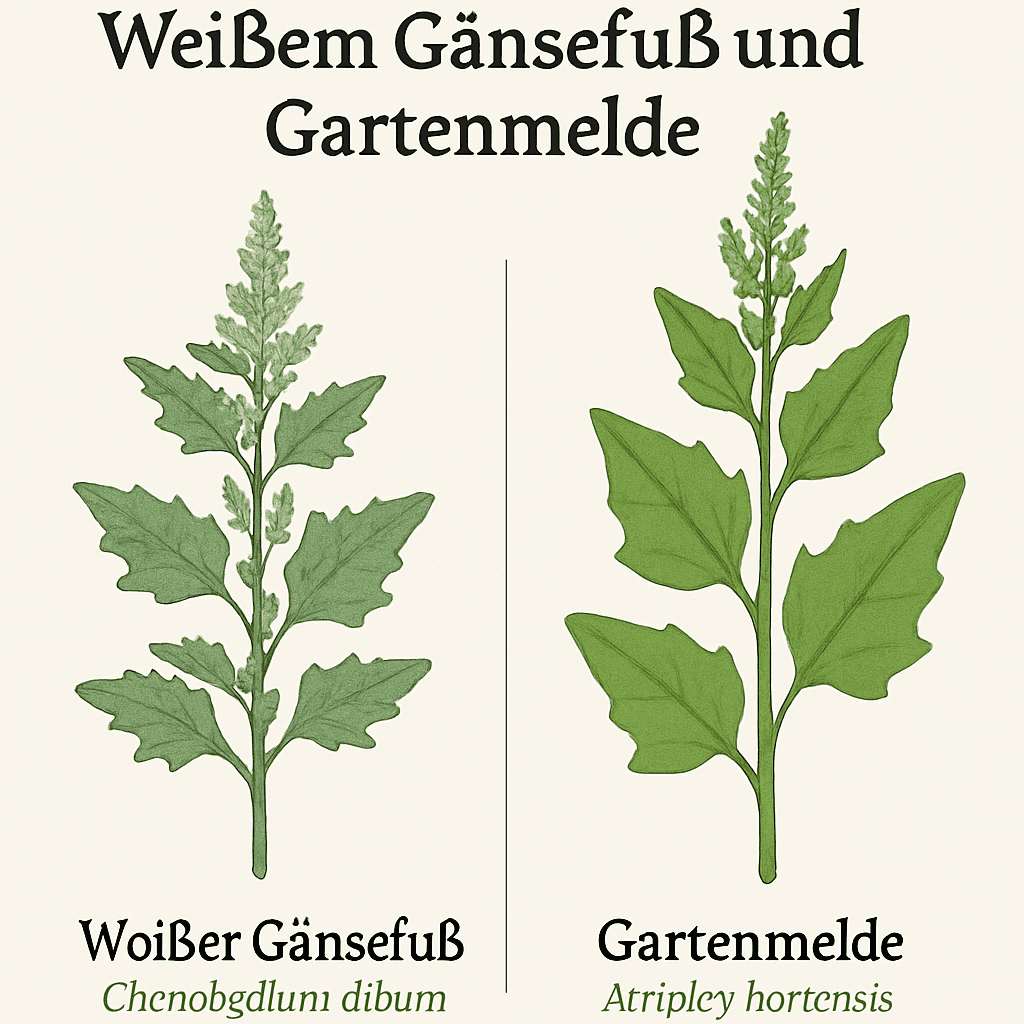
When you explore edible wild herbs, you inevitably come across a very similar plant: orache. The two plants are closely related, which is why it's often difficult for laypeople to distinguish between them. Distinguishing Goosefoot from Lambsquarters to be able.
Here are the key distinguishing features:
- Underside of the leaf With white goosefoot, the underside of the leaf (and often the shoot tip) is distinctly whitish mealy. With orach, this mealy coating is usually absent or much less pronounced.
- Leaf shape The leaves of orache are often somewhat spear-shaped, while goosefoot has the classic, namesake shape.
- Growth Garden orache often grows somewhat more upright and, in cultivated forms, can also have red leaves (blood orache).
Fortunately, the distinction is not vital for survival, as both plants are edible. Using Garlic Mustard in Wild Herb Cuisine is almost identical to that of goosefoot: Both are excellent for soups, quiches, or as a side dish.
Controlling White Goosefoot in the Garden: Strategies for Success
Even though the plant is edible, you usually don't want it to overtake the delicate vegetable plants in the garden bed and deprive them of light, water, and nutrients. If you sustainably manage the Goosefoot control requires consistency and the right timing.
1. Mechanical Removal and Proper Weeding
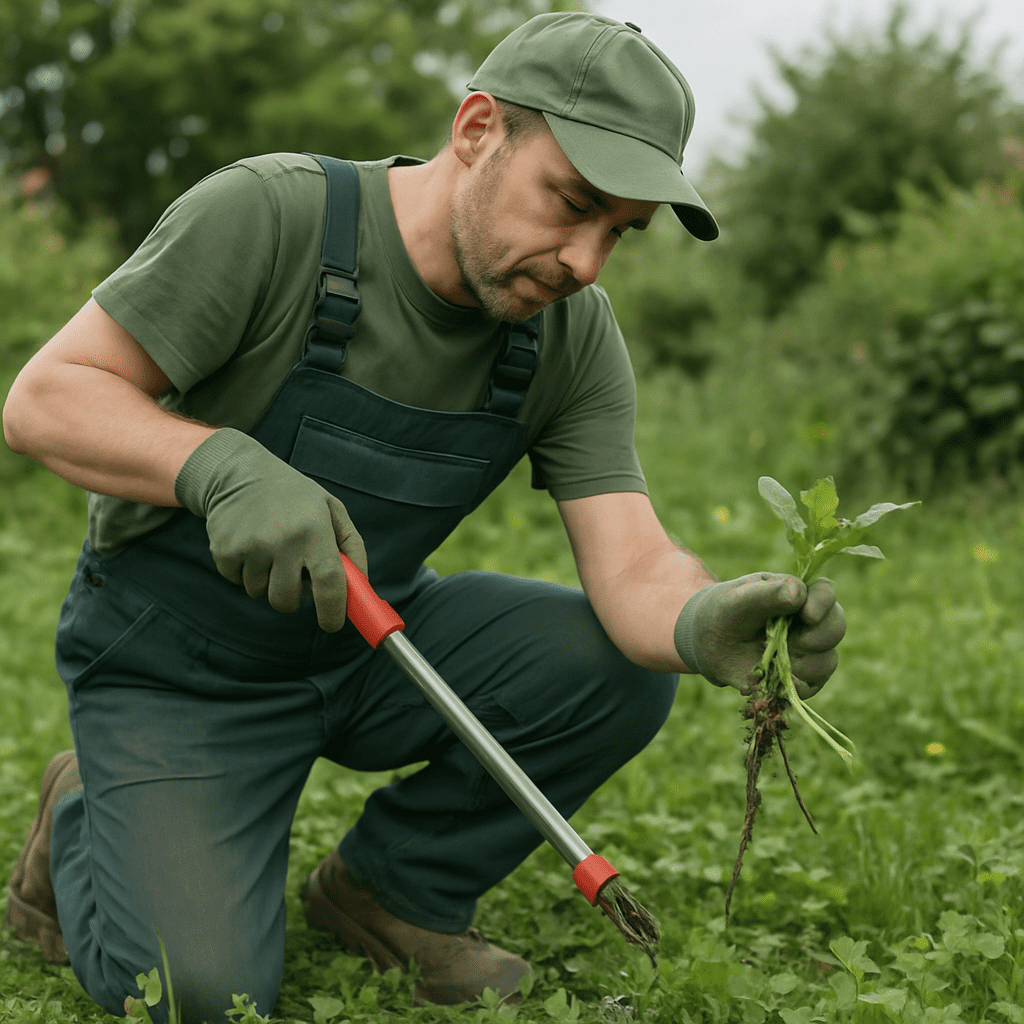
The most direct way is still by hand. Would you like to send it remove white goosefoot, you should do so while the plant is still small. It develops an extremely deep and strong taproot that is difficult to pull from the ground once the plant is fully grown.
Here is a short Instructions for weeding taproots:
- Choosing the right time: Wait for a day after a good rain shower. Roots are much easier to pull from damp earth without resistance than from dried-out, rock-hard soil.
- The right tool: Use a weed puller (taproot weeder). Insert it deep into the soil parallel to the plant to loosen the soil around the root.
- Attack at the base: Plant the plant as deep as possible, directly above the soil surface.
- Pull straight up: Pull straight up slowly and steadily. Jerking will cause the root to break. The plant may possibly resprout from the remaining root stub in the soil.
2. Stop the spread: Prevention is everything
The most important rule in weed management is: Preventing seed set in wild herbsNever let goosefoot flower and go to seed. As soon as the inconspicuous, greenish flower heads form, you must act immediately. Cut or pull out the plants before the tiny black seeds form.
Additionally, it helps to Mechanical soil cultivation against seed shedding. Regular, shallow hoeing of the soil surface in spring disrupts goosefoot seedlings. Since they require light to germinate, the tiny young plants on the surface quickly dry out in the sun before they can form their tenacious taproot. However, avoid digging the soil deeply, as this will only bring new seeds from deeper layers to the surface.
Natural remedies for goosefoot plants
For the sake of the environment and your health, forgo chemical weed killers (herbicides). If you How to control goosefoot in the garden wool, there are more environmentally friendly alternatives.
Um Destroy nitrogen-rich weeds biologically To be able to, many gardeners rely on boiling water. If goosefoot grows in the cracks of the paving stones on the patio or driveway, you can simply pour the hot pasta or potato water over it. The heat destroys the plant's cell structure down to the roots, causing it to die.
However, this method is less suitable for garden beds, as soil organisms and neighboring crops would also be damaged. Here, Natural remedies for goosefoot primarily to physical barriers and smart land management.
Why does lamb's quarters grow in compost?
A common frustration for many gardeners is the sudden sprouting of weeds right where they should be most fertile. But Why does lambsquarter grow in compost Actually that good?
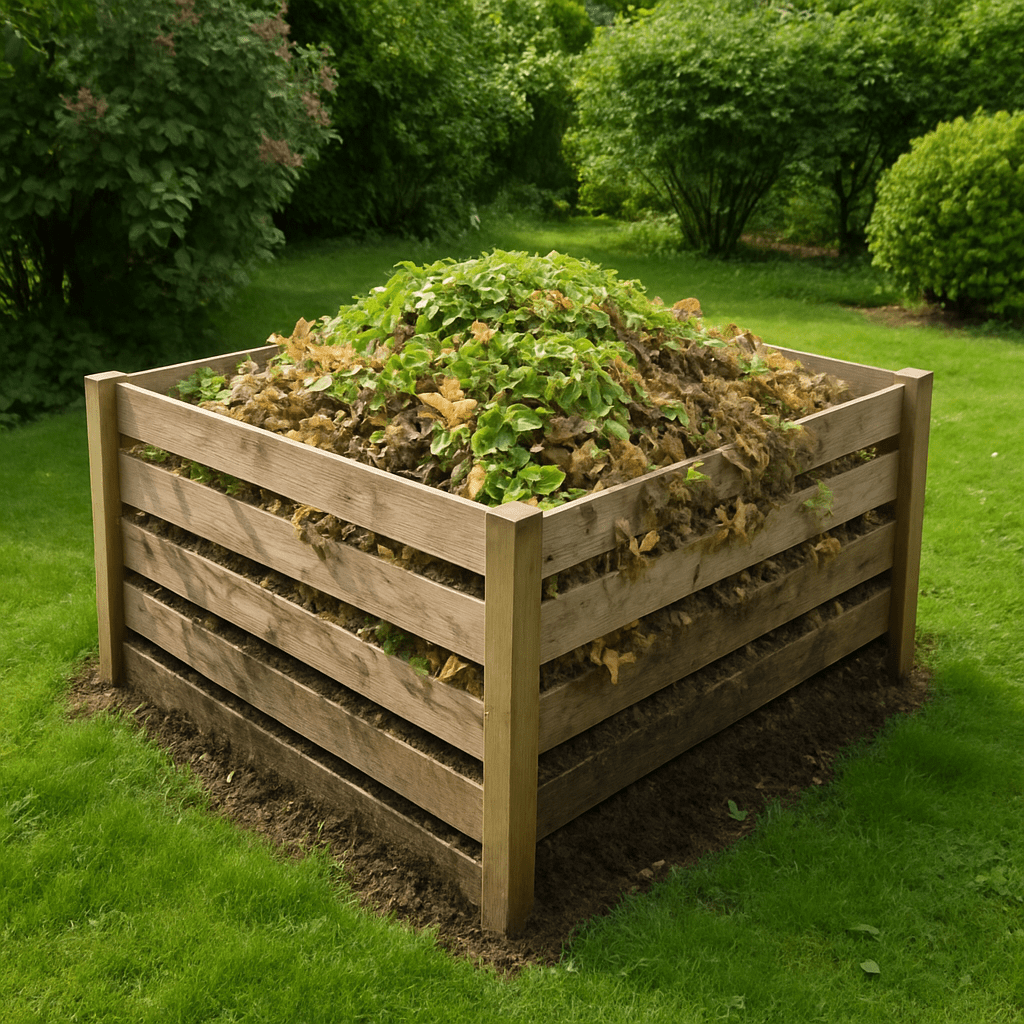
The answer is simple: compost piles are extremely nutrient-rich and full of nitrogen – an absolute paradise for this indicator plant. Added to this is a common gardening mistake: flowering or already seed-bearing goosefoot plants are thrown onto the home compost. If the compost pile doesn't rot hot enough (the so-called hot composting, which must reach over 140 F), the seeds survive without problems. When you then spread the finished compost on your beds the following spring, you are practically sowing the goosefoot yourself. Tip: As a precaution, dispose of plants with seed heads in the residual waste or the organic waste bin instead of putting them on your own compost.
Sustainable Strategies for a Weed-Free Garden Bed
Who the Get rid of white goosefoot effectively must think long-term. The goal is to remove the germination basis for seeds and change the soil climate.
Mulching for permanent weed suppression
By far the most effective method against light germinators like goosefoot is mulching. If you apply a 5 to 10 centimeter thick layer of organic material to your beds, no more light reaches the soil surface. The consequence: The seeds in the soil remain dormant.
The Mulching for permanent weed suppression offers several advantages at once. It protects the soil from drying out, promotes earthworms and microorganisms, and suppresses almost all weeds. Suitable mulch materials include dried grass clippings, straw, leaves, or bark mulch (the latter especially for under shrubs and trees, as it temporarily removes nitrogen from the soil).
Soil improvement through nitrogen removal
Since Lambsquarters loves high nitrogen levels, you can make its life difficult by balancing the nutrient profile of your soil. Soil improvement through nitrogen removal achieved by planting heavy feeders in the affected bed. Cabbages, zucchini, tomatoes, or corn all consume significant amounts of nitrogen.
If these vegetables deplete the soil of nutrients over the season, the location will become increasingly unattractive for goosefoot the following year. At the same time, in beds where weeds are rampant, you should refrain from additional fertilization with horn shavings or highly nitrogenous blue granular fertilizer for the time being.
Conclusion: Success with patience and a system
Day Get rid of white goosefoot effectively This is not a task that can be accomplished overnight. Since countless seeds are hidden in the soil, it requires perseverance. However, if you weed the plant in time, including its taproot, consistently prevent it from going to seed, and protect your beds from light by mulching, you will get the problem under control step by step.
Don't just see weeds as a pesky enemy, but also as a useful informant about your nutrient-rich soil – and who knows, the next time you weed, you might just try the young leaves as a tasty, wild spinach alternative! With the right balance of mechanical care and clever soil management, uncontrolled overgrowth will soon be a thing of the past.
