
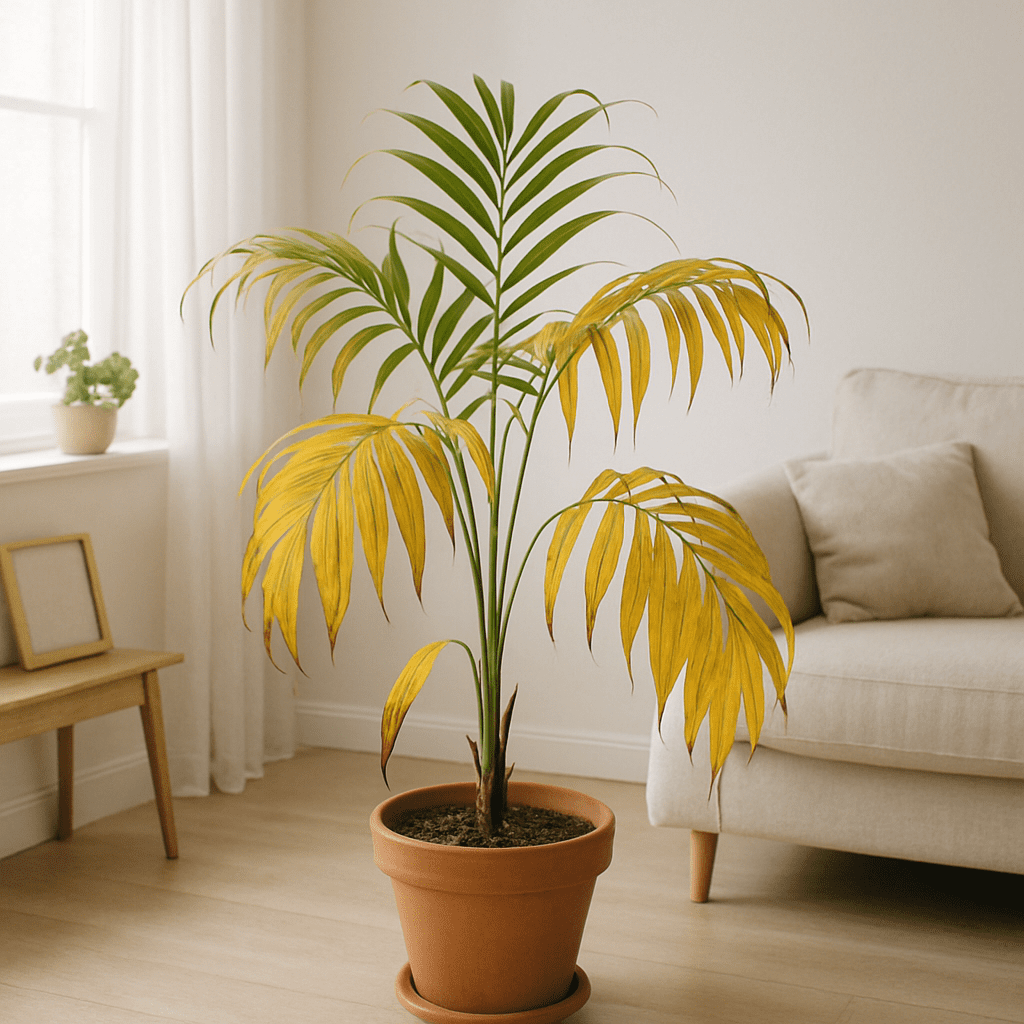
It's a frustrating sight for any plant lover: the once magnificent, vibrant green houseplant palm is losing its radiance and the fronds are noticeable discolored. Anyone searching the internet for Palm tree leaves turning yellow: typical causes searches, quickly realizes that this problem affects many plant lovers. But don't worry - in most cases, the problem can be solved with a few simple steps once the actual trigger has been identified.
In this guide, you will learn why your plant is suffering and how to specifically Correcting palm care mistakes and what measures they can quickly bring back to life.
Natural process or serious problem?
Before you panic, take a closer look at the plant. Not every time a yellow palm leaves The most dramatic nursing error lies before you.
The course of nature
Often, a natural aging process: lower fronds die with time become obsolete, making room and energy for new, upper shoots. This process is completely normal. Tip: Cut these leaves only when they are completely dry. The plant draws valuable nutrients from the dying frond until the very end.
However, if young, upper leaves are discolored or the entire plant is sickly, you need to take action. Whoever is responsible for their Palm yellow leaves causes is sought, will usually find it with the following factors.
Water Supply: The Be-All and End-All of Palm Care
Incorrect watering is the absolute number one among care mistakes. While palms love moisture, they hate wet „feet.“.
Too Much of a Good Thing: Preventing Root Rot
It is extremely important, Recognizing and avoiding waterlogging in palm trees When the plant stands permanently in water, the roots begin to rot. They can then no longer transport water and nutrients to the leaves – the paradoxal result is drying, yellow leaves.
- Recognize Does the earth smell musty? Is it permanently muddy?
- Avoid Ensure the pot has drainage holes and consistently empty excess water from the saucer after watering.
Pouring in the cold season
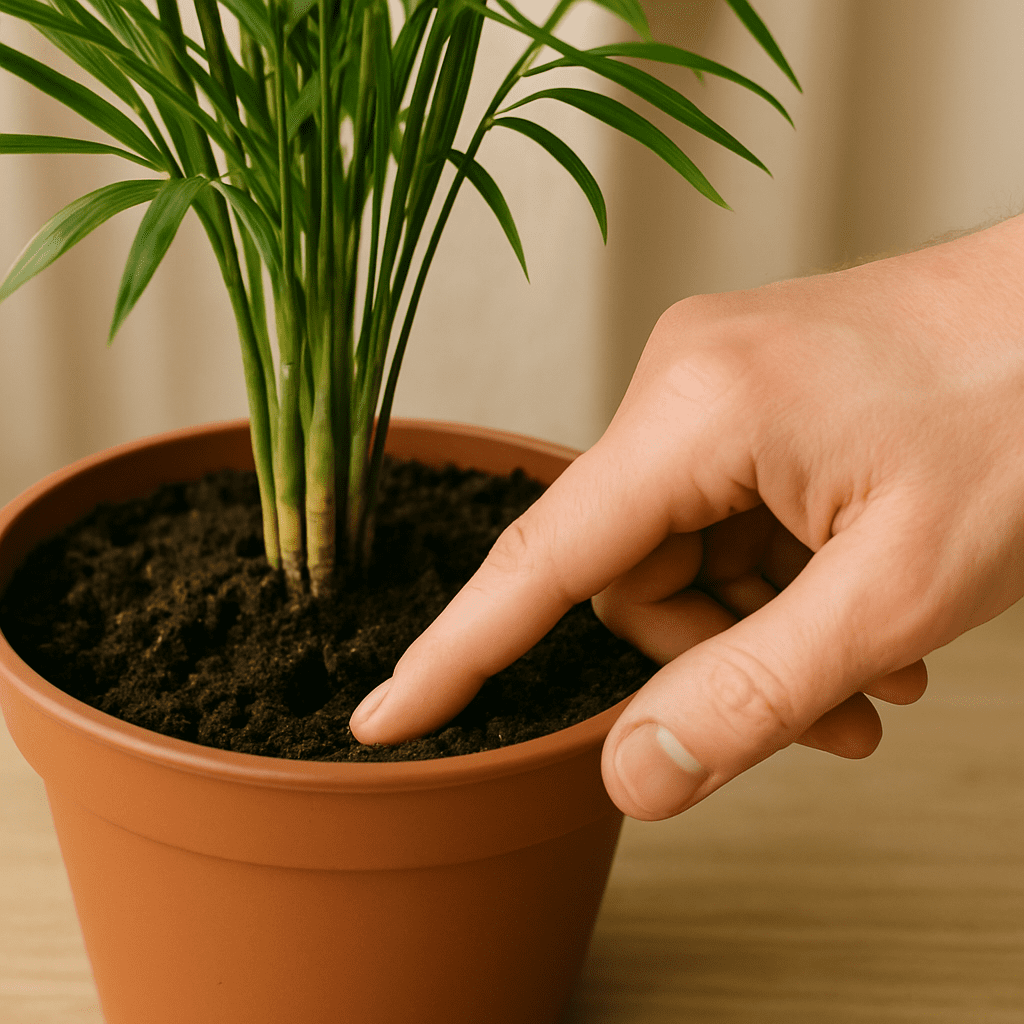
Many owners wonder: How often to water palm trees in winterDuring the months with less light, houseplants slow down their metabolism. They need significantly less water. Always check the top few centimeters of soil with your finger. If it still feels moist, wait to water.
The right location and ideal climate
A Optimal location for indoor palms is bright, but offers protection from the harsh midday sun.
Light and air
When you put your palm tree outside in the summer, you absolutely must Avoid sunburn on palm trees. Gradually accustom the plant to direct sunlight, otherwise the leaves can literally burn and get yellowish-white spots. At the same time, you should Identifying draft damage on palm trees. If the plant is near a leaky window or directly in the draft from ventilation during the cold season, it often reacts with yellowed leaves.
The right humidity
Most palm tree species are native to the tropics. Dry, heated air in the winter is extremely stressful for them. If you Increase humidity for tropical houseplants, do your palm a huge favor.
- Spray the leaves regularly with low-lime water.
- Place bowls of water on the heater.
- For large plant collections, use a humidifier.
Nutrient Deficiency: When Food is Lacking
If the watering habits and location are correct, a nutrient deficiency is often the cause. Palm trees have a special need for trace elements.
Typical deficiency symptoms
- Magnesium deficiency palm symptoms: Here, the older leaves usually turn yellow, while the leaf veins often remain green (chlorosis).
- To Fixing iron deficiency in palm trees to be able to, you must first interpret the signs: Unlike magnesium deficiency, iron deficiency first causes yellowing of the boys, new, sprouting leaves. A special iron fertilizer (iron chelate) quickly remedies this.
Which fertilizer is the right one?
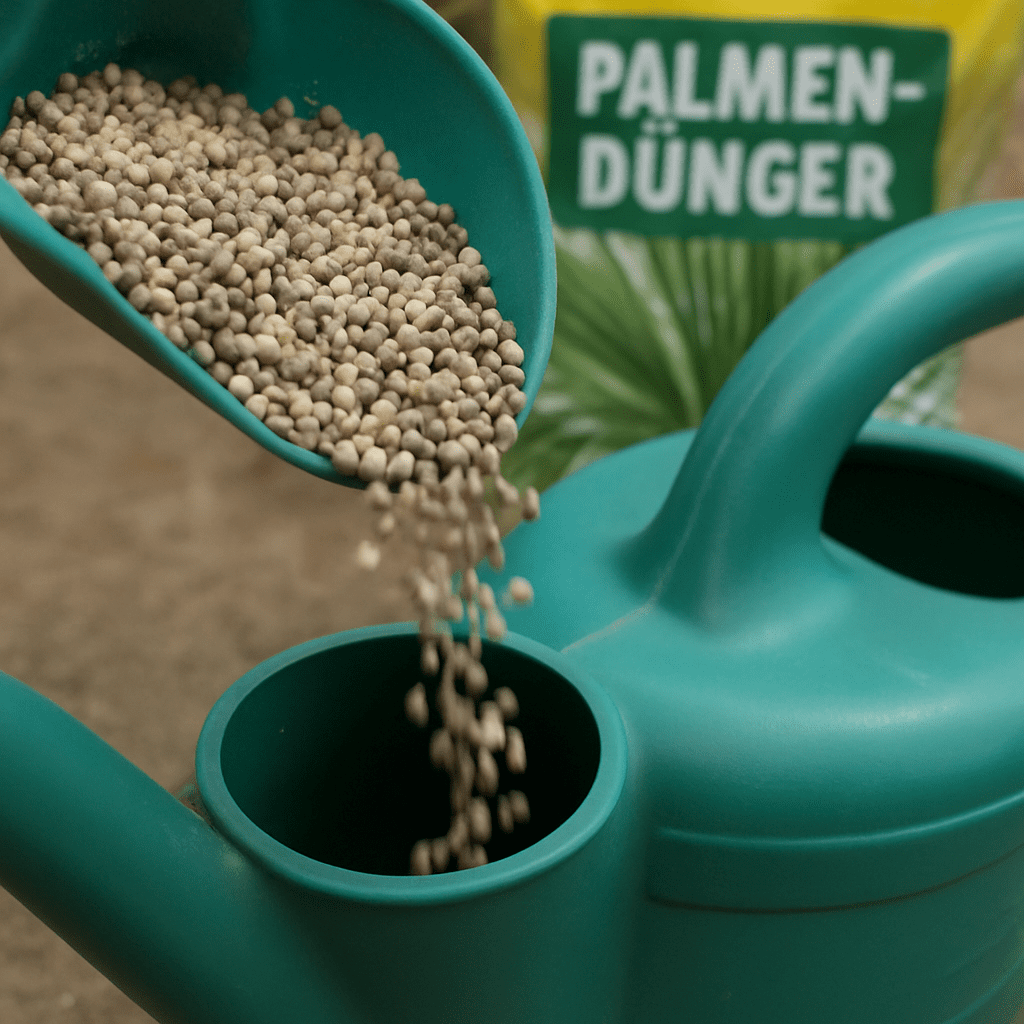
It is often discussed: Palm fertilizer vs. All-purpose fertilizer – What is better? Regular flower fertilizers often don't contain enough essential trace elements like iron, magnesium, and manganese, which palms desperately need. A high-quality palm fertilizer is perfectly matched to this need and proactively prevents yellow leaves.
When the pot gets too small
Sometimes even the best fertilizer doesn't help if the roots no longer have space. A completely root-bound pot can hardly store any more water and nutrients.
looking for a When to repot palm trees instructionsHere's the short version:
- The right time: Spring (March/April) is ideal.
- Signs When the roots are already growing out of the drainage holes or the plant is pushing itself out of the pot.
- The substrate Use the Best soil for potted palm trees. This should be structurally stable, permeable, and not too peat-heavy. A mixture of regular potting soil, quartz sand, and perlite (or special palm soil) ensures optimal root aeration.
Pests and diseases as a cause
External attackers are often responsible for the discoloration. Different Palm diseases or pests weaken the plant massively.
Spider mites appear especially in winter with dry heating air. Do you Combat spider mites on houseplants, you should look for fine cobwebs in the leaf axils and tiny, yellowish-gray speckles on the leaves. The solution Rinse the plant with lukewarm water, drastically increase the humidity, and use a neem oil-based preparation for severe infestations.
Special Cases: The Areca Palm (Areca)
The Areca palm is one of the most popular, but also most finicky, houseplants. Yellow leaf tips on areca palms are a classic phenomenon. They usually arise from:
- Water that is too hard and chalky (better to use rainwater or filtered water).
- Too dry air.
- Slight soil dryness (the root ball of this particular species should never dry out completely).
Conclusion
If your beloved house palm is looking a bit under the weather, there’s no need to despair. Systematically check its watering routine, location, and fertilization. Avoid waterlogging, ensure high humidity, and, if necessary, treat the plant to a larger pot with fresh soil. With a little attention and by correcting minor care mistakes, your palm will soon be lush and green again and will bring you joy for years to come.
