
A garden that offers structure, color, and vibrancy year-round, without the need for laborious pruning in spring? That's the dream of many garden owners. While many classic perennials and ornamental grasses completely die back at the end of winter and need to be cut down to the ground, there's an elegant solution: 20 evergreen grasses without pruning.
These tough beauties keep their leaves even in ice and snow, providing lasting structure to beds, containers, and borders. Low-maintenance garden design with ornamental grasses is the key to a garden that means more relaxation and less work.
In this comprehensive guide, you will learn everything you need to know when you Planting grasses without annual cutting. We'll introduce you to the best varieties, give tips on proper care, and reveal how you can create year-round accents with grasses.
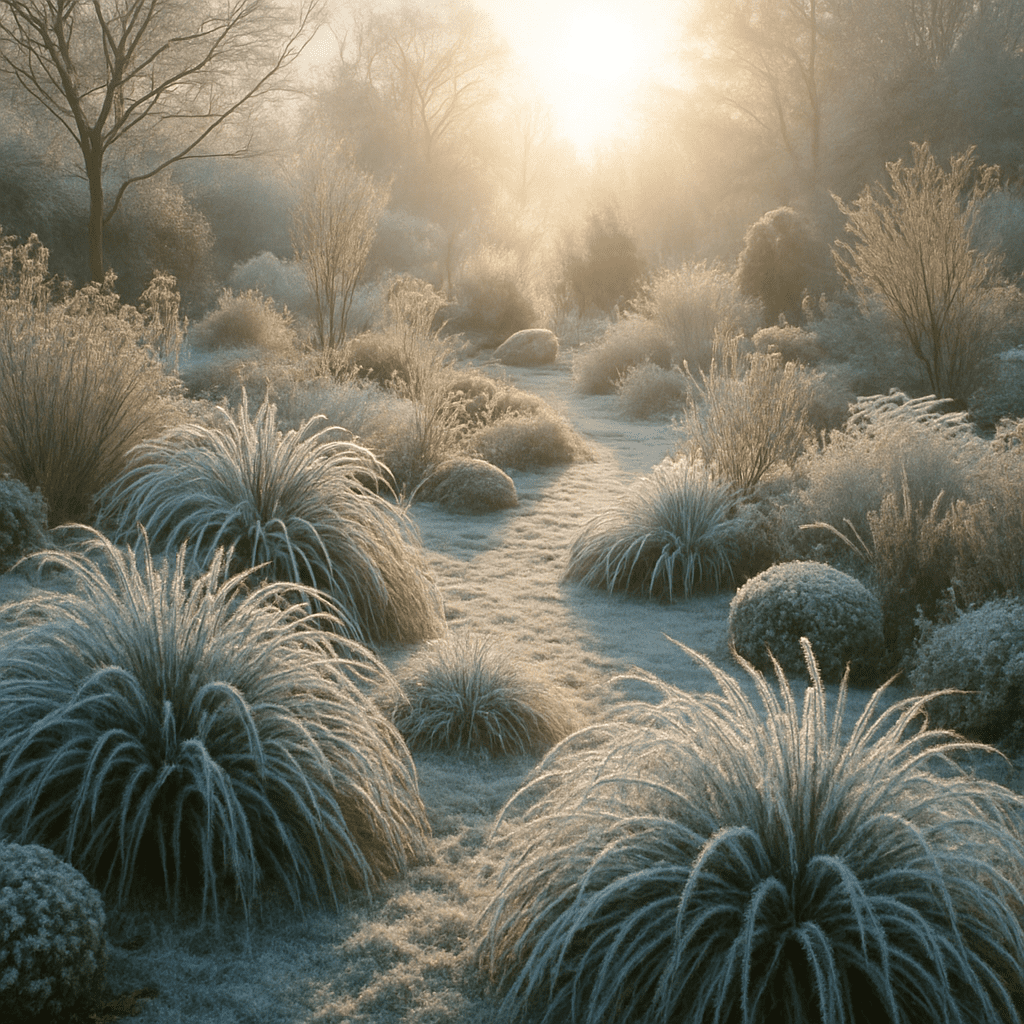
Which grasses do not need to be cut in the spring?
The world of ornamental grasses is broadly divided into two camps: deciduous (or dormant in winter) and evergreen grasses. Summer-green species such as Chinese silver grass (Miscanthus) or fountain grass (Pennisetum) retreat into their roots in winter. Their stems dry out and must be cut back drastically in early spring.
Evergreen plants From the grass family, however, they retain their foliage. They defy the cold and do not require annual cutting back. But beware: Even though they don't need pruning, they appreciate a little attention in the spring to start the new season fresh and healthy.
Care Secret: How to Trim Instead of Pruning
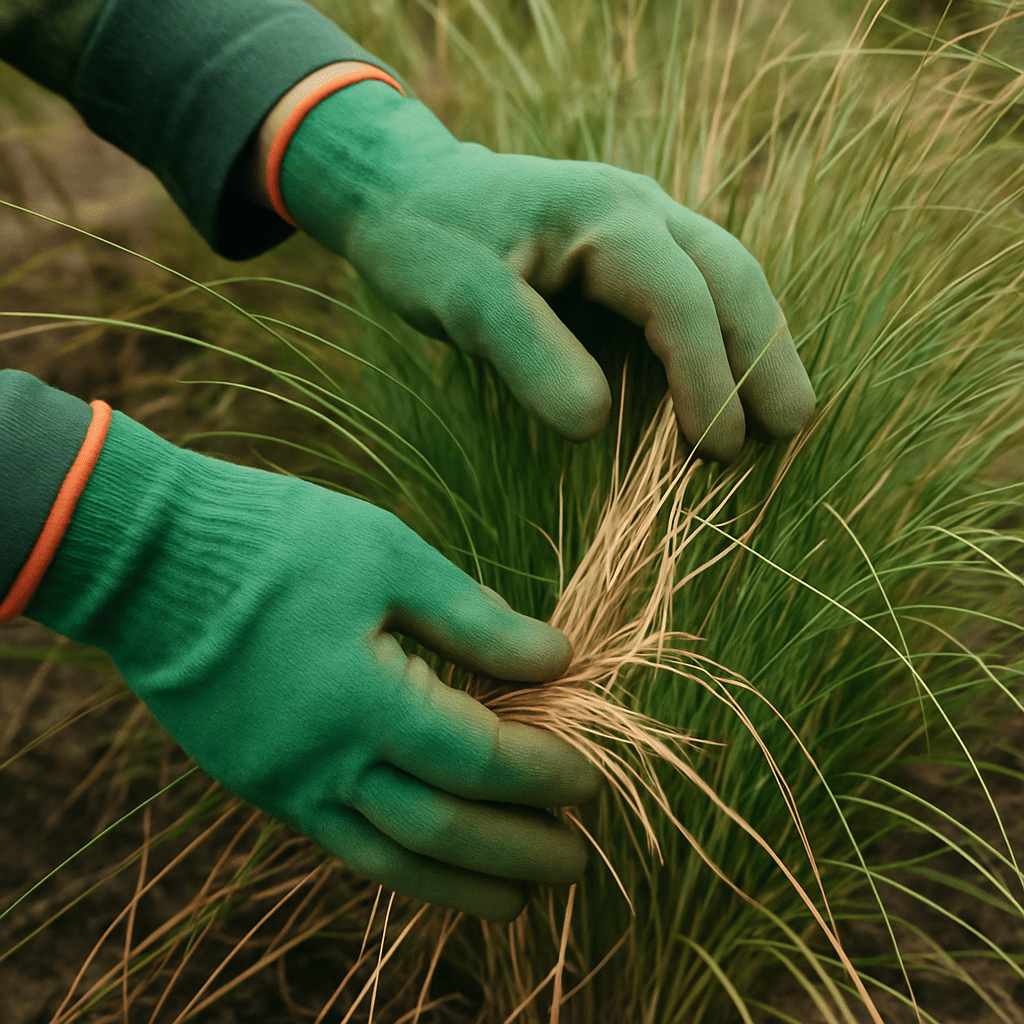
Instead of reaching for the pruning shears, you should simply lend a hand with these grasses in the spring. Here's a simple Pruning Guide Instead of Cutting Back:
- Put on garden gloves: Many grasses, especially sedges, have sharp leaf edges.
- Comb through Run your fingers through the tufts of grass from bottom to top, as if combing them.
- Remove dead material: Brown, loose stems come off on their own and can be disposed of in the compost.
- Stubborn stalks Only individual, heavily dried stalks that cannot be removed are cut off at the base with sharp scissors.
Why do some evergreen grasses turn yellow?
It happens that these plants, which are robust in themselves, get brown or yellow tips. Why do some evergreen grasses turn yellow? The most common cause is not the cold, but winter wetness or drought. If the soil is frozen, the plant cannot absorb water, but it continues to lose moisture through its leaves in winter sun (frost drought). Another reason is waterlogging. The right Soil moisture and drainage for winter grasses is essential: For heavy soils, mix in sand or fine gravel to quickly drain excess water in winter.
The 20 best evergreen grasses that don't need pruning
To make your selection easier, we've divided our top 20 into clear categories – from shade-loving sedges to sun-worshipping fescues.
Evergreen sedges for shady locations
Sedges (Carex) are the undisputed stars when it comes to Hardy grasses thrive in shade and partial shade.
- Japanese Sedge An absolute classic. The Japan-Segge Carex Morrowi Planting Requirements are undemanding: They prefer semi-shady to shady spots and humus-rich, fresh soils. Varieties such as ‚Variegata‘, with their white-edged leaves, bring light to dark garden corners.
- Variegated Bird's-foot Sedge (Carex ornithopoda ‚Variegata‘) A low, compact grass ideal for shady rock gardens.
- Wood Sedge (Carex sylvatica) Native and extremely robust. Perfect for planting under large trees.
- Hanging Sedge An impressive grass for damp, shady areas. It grows quite tall and forms decorative, hanging flower spikes.
- Great wood sedge Similar to the hanging sedge, but even more spreading. Ideal for pond edges.
- Broadleaf Sedge Strikes with conspicuously broad, strap-like, fresh green leaves. A great contrast to fine-leaved ferns.
- Spring Sedge Stays low and blooms very early in the year. Perfect for the shrub border.
Sun worshipper: Drought-tolerant grasses
If you have full sun beds, fescue species (Festuca) are a great choice. They often bring bluish or fresh green splashes of color to the bed.
- Blue Fescue (Festuca glauca): Known for its intense, steel-blue foliage. It loves lean, dry, and full-sun locations.
- Bear's Grass Imagine dense, fresh green cushions that resemble small bear pelts. Tip: If we the Blue Fescue vs. Bearskin Fescue Care When compared, both are very undemanding. However, blue fescue absolutely requires lean soil to maintain its blue color, while the bear grass fescue tolerates slightly more moisture and also partial shade.
- Atlas Fescue An elegant, arching grass that grows up to 80 cm tall and has an impressive solitary effect.
- Amethyst fescue (Festuca amethystina): A fine-leaved, evergreen grass with delicate purple flower panicles in summer.
- Blue Oat Grass (Helictotrichon sempervirens): One of the most beautiful blue grasses. It grows taller than blue fescue and forms imposing, steel-blue hedgehog shapes.

Ground cover grasses for low-maintenance beds and alternatives
Those who want to keep large areas free of weeds rely on spreading plants Ground cover grasses for low-maintenance beds.
- Snowy Woodrush (Luzula nivea): Dark green foliage and white, cotton-like flower clusters in summer. Very shade tolerant.
- Wood Rush A strong ground cover that can also withstand the root pressure of large trees.
- Hairy Wood-rush A native grass that blooms very early and forms loose, evergreen carpets.
- Mondo Grass (Ophiopogon japonicus): Although botanically a member of the asparagus family, it is used like a grass. Snakebeard as a cold-hardy lawn alternative is brilliant for Asian gardens or shady yards where regular grass fails. It is hard-wearing and absolutely easy to care for.
- Lilyturf (Liriope muscari): Also grass-like in growth, evergreen and pleasing in late summer with violet, grape-like flowers.
Color accents: New Zealand sedge and ornamental grass
- Red Fox Sedge (Carex buchananii): At first glance, this grass looks dried out, but its coppery-red to brownish color is completely natural and provides warm accents in the winter garden bed.
- Autumn Moor Grass A light green grass that forms beautiful, silvery-white flowers in autumn. Very drought-resistant.
- Moorhead grass (Sesleria caerulea) The leaves are green on the top and bluish on the underside, creating a great two-tone effect.
Tall Structural Plants: Alternatives to Summer-Green Miscanthus Varieties
Many gardeners are looking for grasses to serve as privacy screens. Since Miscanthus (Chinese silver grass) dies back in winter and needs to be cut back in spring, large hedges collapse. Those who want Year-round privacy screen with little effort searches, you have to get a bit creative with grasses.
Really high Alternatives to deciduous Chinese pampas grass varieties, Plants that don't need pruning are rare. The Atlas fescue (Festuca mairei) or giant sedges offer at least medium-height privacy (up to 100 cm). If you prefer it taller, consider clumping bamboo (Fargesia). Botanically, bamboo belongs to the sweet grasses, is evergreen, and does not require radical spring pruning—perfect for year-round, meter-high privacy.
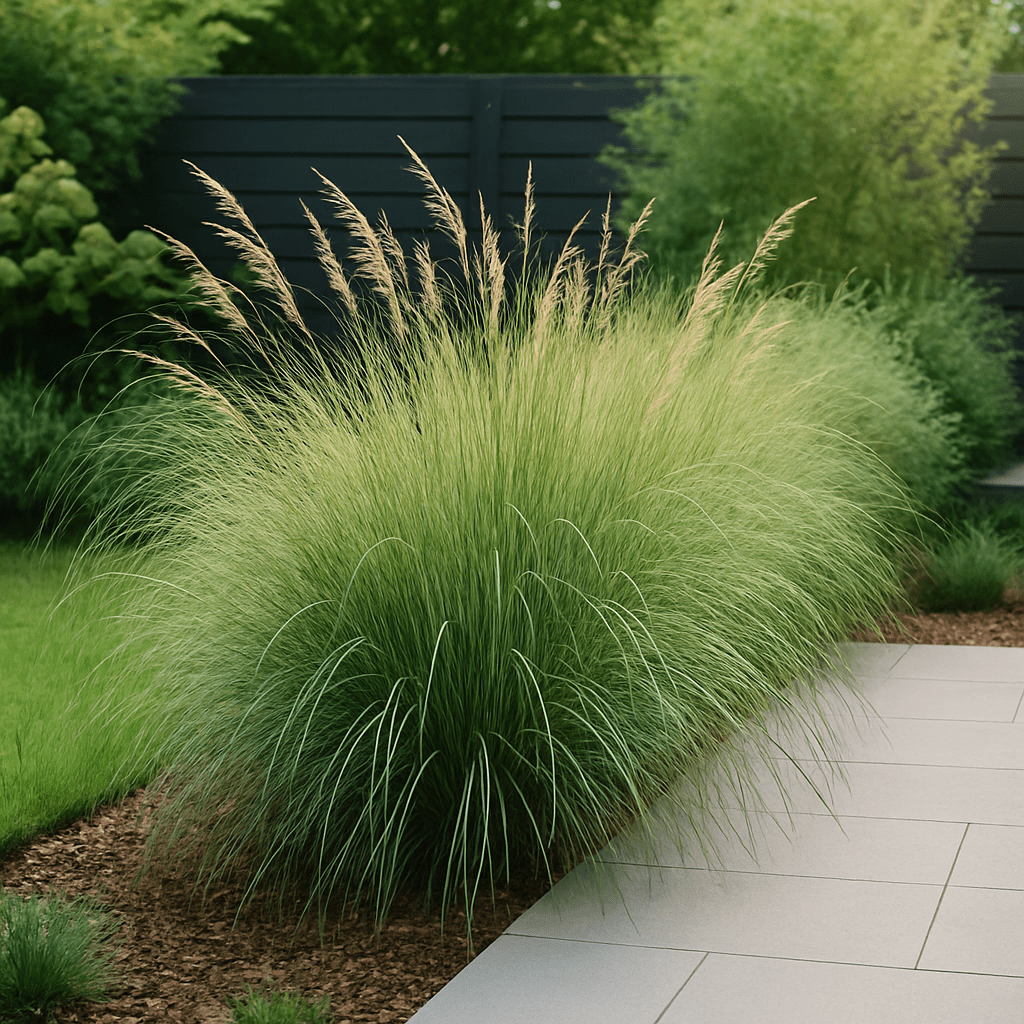
Frost-resistant ornamental grasses for balcony boxes and containers
Not only in the garden bed do grasses look good. Frost-hardy ornamental grasses for balcony boxes are the salvation for everyone who doesn't want to do without an attractive balcony planting, even in the deepest winter.
Combine small sedges (like Japanese sedge ‚Evergold‘ or blue fescue) with other winter classics like heather, skimmia, or ivy. Caution with potted plants: Since the root ball in the pot can freeze through, the risk of frost drought is particularly high here. Be sure to water your evergreen potted grasses with a small sip of water on frost-free days.
Advantages of evergreen grasses in the winter garden
These plants are also gaining importance in interior landscaping and conservatory design. Advantages of evergreen grasses in the winter garden are obvious
- Structure and Abundance: They form a quiet, grassy undergrowth for exotic or flowering potted plants.
- No hibernation necessary: Unlike deciduous species, dry leaves do not fall to the floor of the conservatory.
- Humidity: They help maintain a pleasant microclimate in glazed rooms. Snake's beard (Ophiopogon) and lily turf (Liriope) in particular feel right at home in a cool, unheated winter garden and often reward you with abundant blooms.
Conclusion: Less work, more gardening joy
Knowing a list of „20 Evergreen Grasses That Don't Need Cutting“ is the first step to a garden that not only brings you visual joy during the cool season but also saves you effort in the spring. From shade-tolerant Japanese sedge to sun-loving blue fescue, there's a perfect candidate for every location.
If you pay attention to the right amount of soil moisture and drainage, and use your hands instead of scissors for pruning in the spring, you will enjoy these loyal companions for many years. Take advantage of nature's diversity and design your garden beds, balcony boxes, and privacy zones wisely, with low maintenance and year-round attractiveness!
