
Gray deserts of stone instead of blooming oases: In recent years, more and more front gardens in Germany have been transformed into lifeless gravel landscapes. The motivation behind this is usually simple: the desire for a well-maintained, modern appearance and, above all, the hope for absolute ease of maintenance. But appearances can be deceiving.
What began as a convenient solution for homeowners has developed into a tangible problem for the environment, climate, and neighborhood. The Gravel garden criticism by conservationists, landscape architects, and even building authorities is getting louder and louder – and for good reason. In this article, we uncover the main disadvantages and show you exactly 7 Reasons Against a Gravel Garden. You will also learn how to transform your desert of stone into a vibrant, low-maintenance paradise.
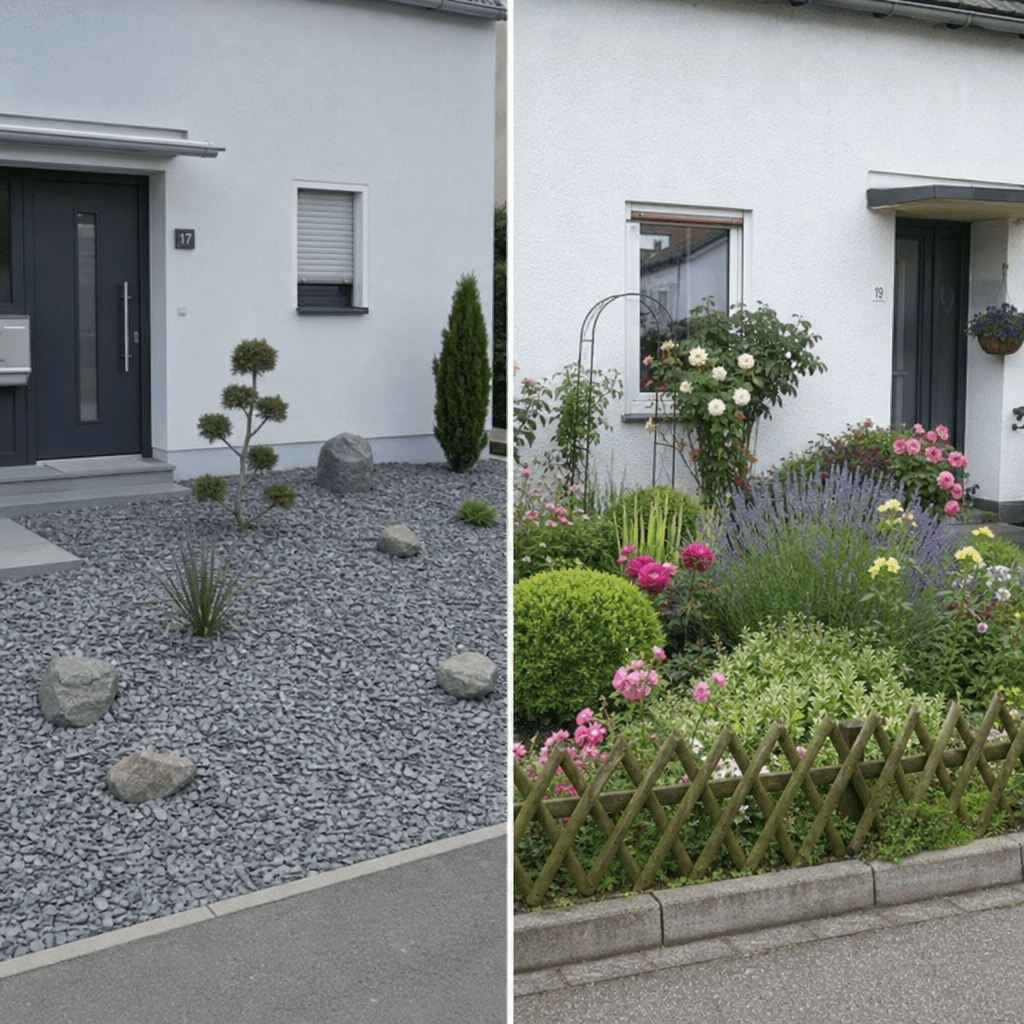
Climate killers on our doorstep: extreme heat development
When the sun bakes our cities and villages in the height of summer, the front yard quickly becomes an oven. Gravel gardens are bad for the climate because they contribute to the urban heat island effect by absorbing and radiating heat from the sun, lack biodiversity by offering little habitat or food for insects and birds, and increase stormwater runoff because the gravel doesn't absorb water as well as soil or vegetation. This can lead to increased flooding and pollution in waterways. The answer lies in the physics of stones. Unlike plants, which actively cool their surroundings through water evaporation, dark gravel stones absorb solar energy and store it.
The Heating of sealed surfaces in summer it's dramatic: on hot days, temperatures above a gravel garden can be up to 15 degrees Celsius higher than over a lawn or a planted perennial bed. Even worse: the stones release this stored heat into the surroundings well into the night. The building heats up more, and restful sleep with the window open is almost impossible.
Would you like to Reduce heat buildup in the garden, There's no way around vegetation. Leaves cast cooling shade and create a healthy microclimate that benefits you and your home directly.
2. Ecological Desert: Loss of Biodiversity
A front yard is often just a small patch of land, but collectively our gardens form a vast network that is essential for nature conservation. Ecological consequences of soil sealing and graveling are simply catastrophic for the local fauna.
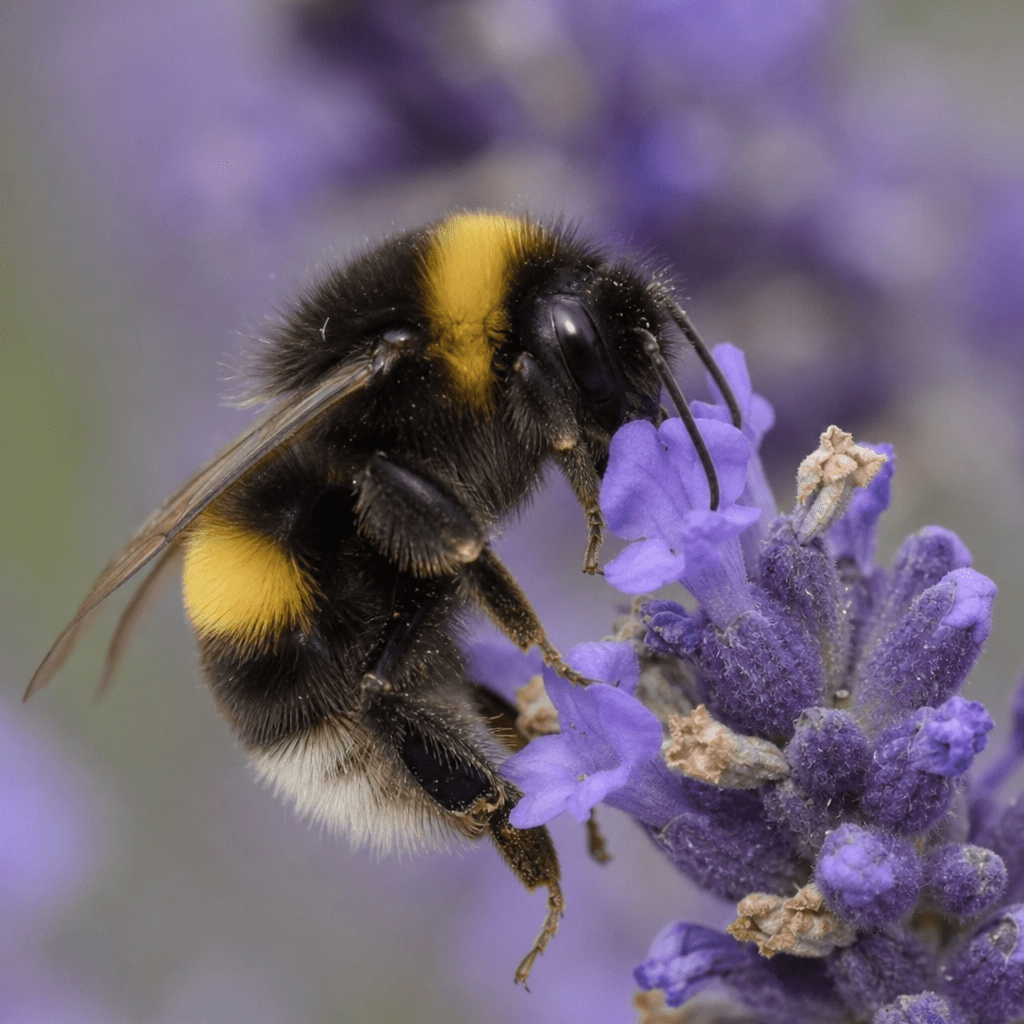
There is no life under or on the stones. No blossoms offer nectar, no leaves serve as food for caterpillars, and birds find neither seeds nor worms. If we Creating habitat for wild bees If you want to, a rock garden is the wrongest approach you can take. In times of dramatic insect decline, it is more important than ever to Promote biodiversity in the front garden. Even a few square meters of native flowering plants can be a crucial oasis for butterflies, bumblebees, and bees.
The Myth of Easy Care
The main argument for gravel landscaping is almost always the supposed labor savings. However, those who create a gravel garden often have a rude awakening after a few years. One of the biggest Gravel garden disadvantages is the phenomenon of pollution.
The lack of self-cleaning of stone surfaces quickly becomes a problem. In autumn, leaves fall between the stones, and the wind blows dust and organic particles in. Since these cannot be washed away between the gravel stones or broken down by soil organisms, a fine humus layer quickly forms. This is precisely where algae, mosses, and airborne weed seeds settle.
Instead of enjoying the garden, owners of gravel gardens will soon be spending their weekends painstakingly picking leaves out of the gravel, weeding, or (unfortunately, far too often) resorting to environmentally harmful chemical cleaners. If we the duel Gravel garden vs. low-maintenance natural garden Upon closer inspection, the natural garden always wins in the long run. A densely planted perennial bed suppresses weeds on its own and usually only requires pruning in the spring.
4. Flood risk: Blocked water cycle
Due to climate change, extreme weather events such as heavy rainfall are steadily increasing. Here, further serious consequences are revealed. Disadvantages of gravel gardens. Beneath the gravel layer, there is usually an impermeable fleece or even compacted soil. The rainwater cannot seep into the ground naturally.
The water is instead diverted into the already often overloaded sewage system. In the event of heavy rainfall, this significantly increases the risk of local flooding and waterlogged basements. To Improve rainwater infiltration To be able to do this, we need open, rooted soils. Plant roots act like small channels in the soil, guiding water deep into the ground like a sponge, where it replenishes the groundwater.
5. Hidden Pollution: Microplastics in Soil
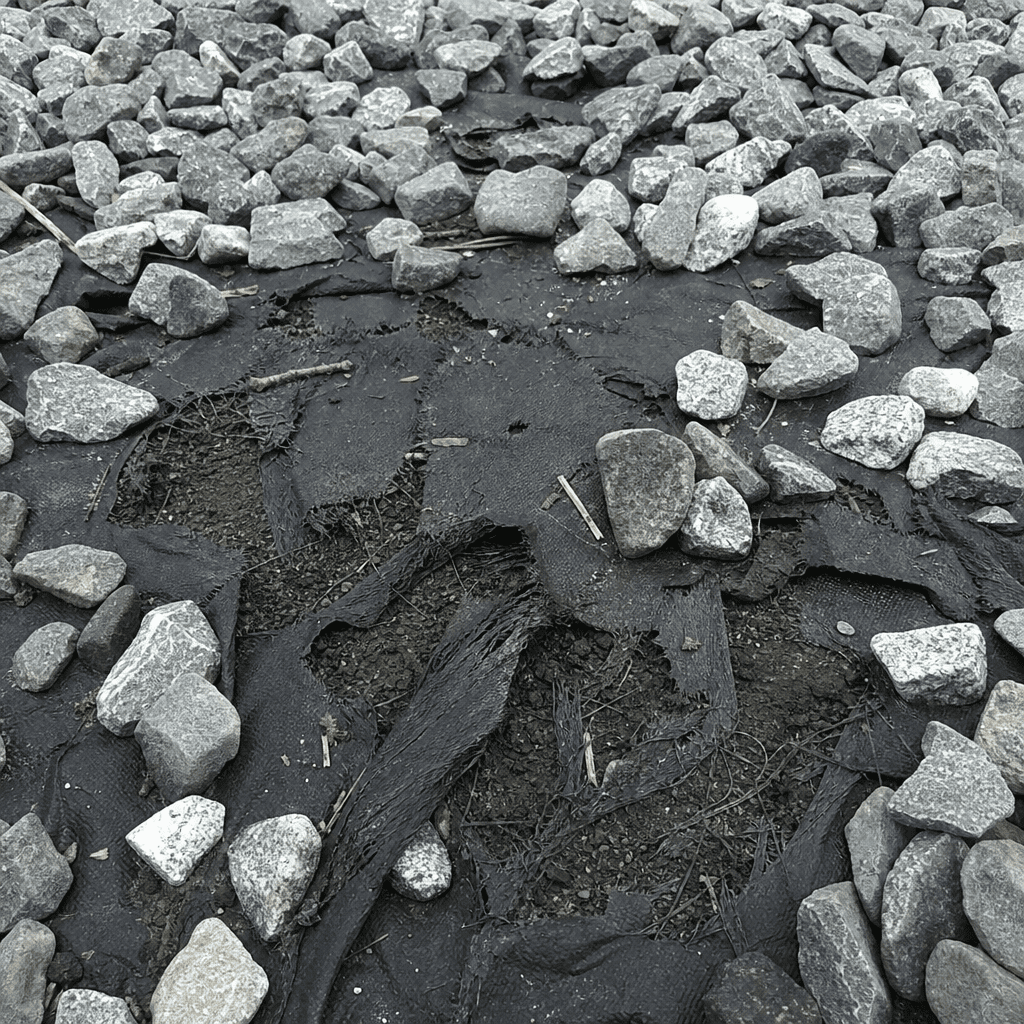
A gravel garden doesn't just consist of stones. To supposedly prevent weeds from growing up from below, a thick layer of plastic sheeting or synthetic fabric is laid down before the stones are spread.
This Weed fleece and microplastics in soil have devastating effects on soil life. Earthworms and beneficial microorganisms suffocate as the soil is cut off from oxygen supply. Furthermore, the fleece is rarely permanently resistant to weather and UV radiation (which penetrates at the edges or through gaps in the gravel). It breaks down into tiny fragments over the years. This microplastic accumulates in the soil, enters the groundwater, and is extremely difficult to impossible to completely remove.
6. Legal requirements: Often simply prohibited
Many homeowners don't realize they are on shaky legal ground with their rock gardens. It's no longer a secret that many municipalities have declared war on gray.
A look at the laws shows: The State Building Code Greening of Open Spaces In most federal states, it is clearly stipulated that the non-built-up areas of developed properties must be left permeable and must be covered with grass or planted. A gravel garden violates this requirement. More and more cities and municipalities are actively taking action against illegal gravel gardens, imposing fines and demanding their expensive removal.
7. An expensive mistake: Hidden costs
It is often assumed that a gravel area is cheaper than elaborate planting. However, if you consider a realistic Cost comparison of rock garden and perennial bed, the tide turns quickly.
For a gravel garden, tons of stones must be purchased, transported, and painstakingly spread with an excavator. Special foils and edging systems further drive up the price. However, it becomes even more expensive if the gravel garden needs to be removed at some point – whether due to building code enforcement or because one is tired of constantly weeding the stones. The disposal of gravel mixed with soil and plastic remnants is considered construction waste and costs a fortune. In contrast, seeds, bulbs, and a few hardy perennials for a natural garden cost only a fraction and multiply on their own over the years.
From Gray to Green: The Alternative
The arguments against gravel deserts are overwhelming. But what if you already own one, or have bought a house that comes with a gravel front yard? The good news: you can change any Convert a gravel garden into a green space. This costs a bit of sweat upfront, but rewards you afterwards with years of hassle-free floral splendor.
Guide to Unsealing Garden Areas
If you want to return your land to nature, it's best to proceed gradually. Here's a concise Guide to Unsealing Garden Areas:
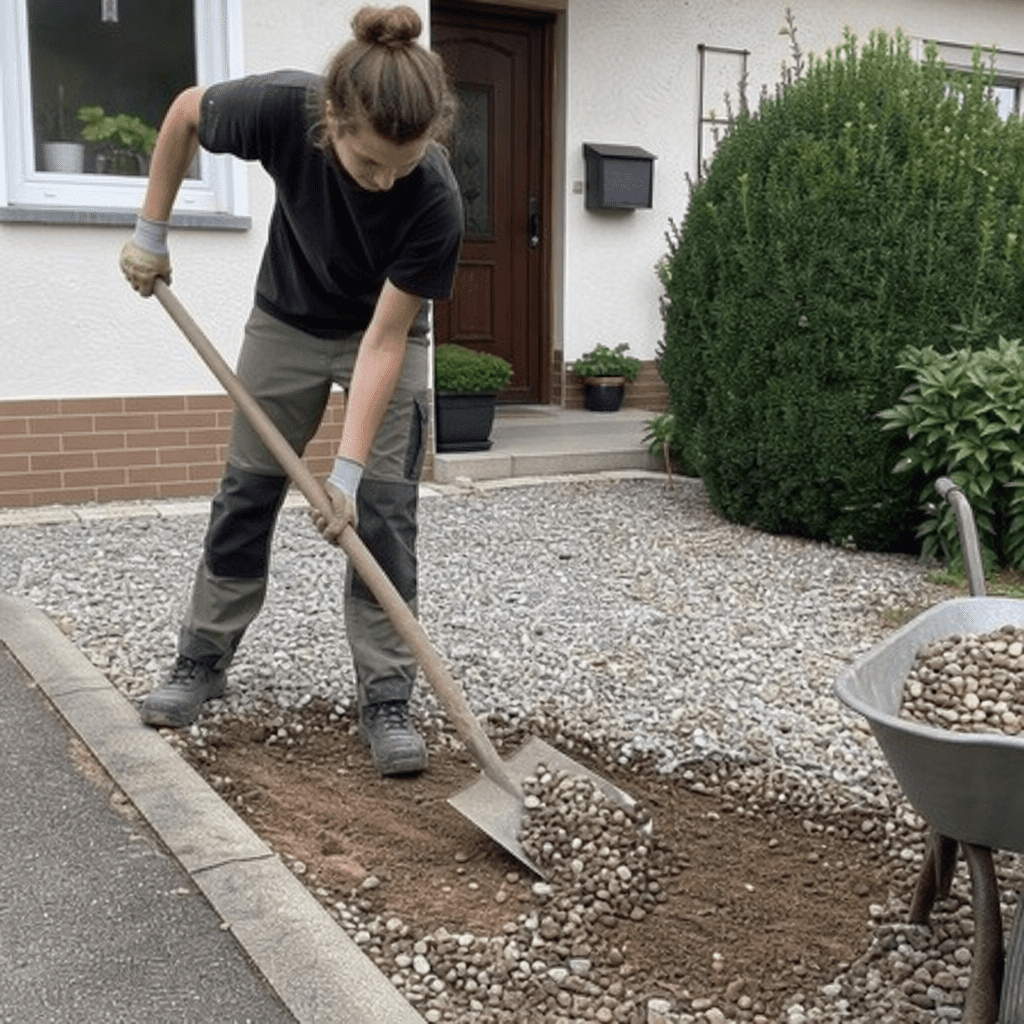
- Remove gravel: Remove the stones. If they are not dirty, you can often give them away for free to people who will pick them up themselves through local classified ads (many people are looking for stones for drainage work or gabions).
- Remove batting completely Pull the weed barrier or plastic sheeting out of the soil. Be careful not to leave any plastic fragments in the ground.
- Loosen soil: The soil beneath the gravel is usually heavily compacted and lifeless. Loosen it deeply with a digging fork.
- Upgrade flooring: Incorporate plenty of ripe compost to reattract soil life (earthworms and microorganisms) and supply the soil with nutrients.
- Planting Now, plant the appropriate plants and lightly mulch the spaces between them with organic material such as bark compost or grass clippings to protect the soil from drying out.
Which plants are suitable for dry locations?
Anyone who wants a low-maintenance front yard that can also withstand long periods of heat without constant watering should plant wisely. The magic word is: site-appropriate planting. But What plants are suitable for dry locations?
Plants native to steppe-like or Mediterranean regions are particularly recommended. They cope extremely well with drought, require very little care, and attract a large number of beneficial insects:
- Lavender (Lavandula angustifolia): A classic that smells wonderful, loves dryness, and magically attracts bees.
- Stonecrop It stores water in its thick leaves and blooms beautifully well into late fall.
- Thyme (Thymus vulgaris): An aromatic ground cover that suppresses weeds and requires very little water.
- Blue sage (Perovskia atriplicifolia): A robust subshrub that blooms deep blue even in extreme heat.
- Woodland Sage (Salvia nemorosa): Easy to care for, colorful, and an absolute insect magnet.
- Grasses (like ornamental grass or blue fescue): Give the flowerbed structure and rustle soothingly in the wind.
If you plant these drought-resistant perennials densely, they will form a closed ground cover in the first year. Weeds will have no room here, the soil will be shaded, and the annoying watering in the summer will be almost completely eliminated.
Conclusion: Vibrant diversity instead of dead stones
The 7 Reasons Against a Gravel Garden show very clearly: what is intended to appear low-maintenance and modern proves in practice to be an environmentally damaging, expensive, and complex wrong decision. Gravel gardens heat up our residential areas, destroy valuable biodiversity, block the natural water cycle, and contaminate soils with microplastics.
If we rethink our approach today, we can make a huge contribution to climate and nature conservation – right in our own backyard. Creating a low-maintenance natural garden with native, drought-resistant perennials is the best way to save time, avoid legal issues, and simultaneously delight the eyes with a vibrant floral display. Say goodbye to gray monotony and welcome butterflies, wild bees, and natural cooling to your front yard!
