
Anyone who wants to water their garden, connect a rain barrel, or operate a powerful pump often faces a puzzle at the hardware store: Which size is the right one? The Inner diameter of 1/2, 3/4, and 1 inch hose is the absolute crucial measure when it comes to perfect water pressure. Choose the right hose inside diameter, save valuable time and avoid annoying print defects.
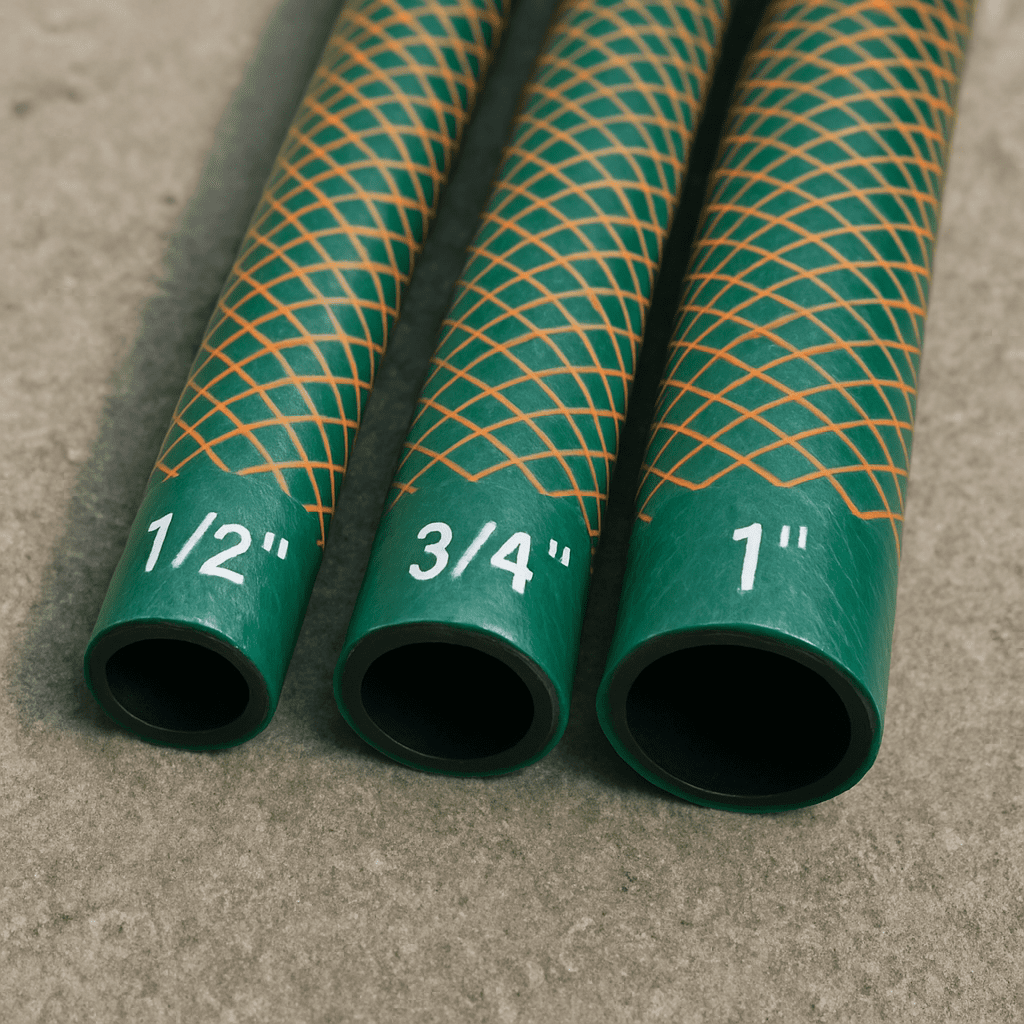
Convert inches to millimeters
In the field of water engineering, imperial measurements have become established internationally. To avoid purchasing mistakes, a Zoll to mm conversion table for hoses. Here are Common standard measurements for irrigation systems, that you should know:
- 1/2 inch Approximately 12.5 mm to 13 mm. Perfect for short distances up to 20 meters and normal watering.
- 3/4 inch It's around 19 mm. The ideal size for medium to large gardens.
- 1 inch A 1 inch inner diameter hose is mostly used for vacuum and garden pumps. The exact 1 inch inner diameter hose amounts to exactly 25.4 mm in practice.
Which hose for which purpose?
In the direct 1/2 vs 3/4 Inch Garden Hose Comparison a basic physical principle quickly becomes apparent: a larger diameter transports significantly more water in the same amount of time. If you Calculate maximum flow rate per hour, you will find that the Pressure drop with different hose diameters is enormous. A 1/2 inch hose loses pressure rapidly over long distances, while the 3/4 inch hose maintains constant pressure.
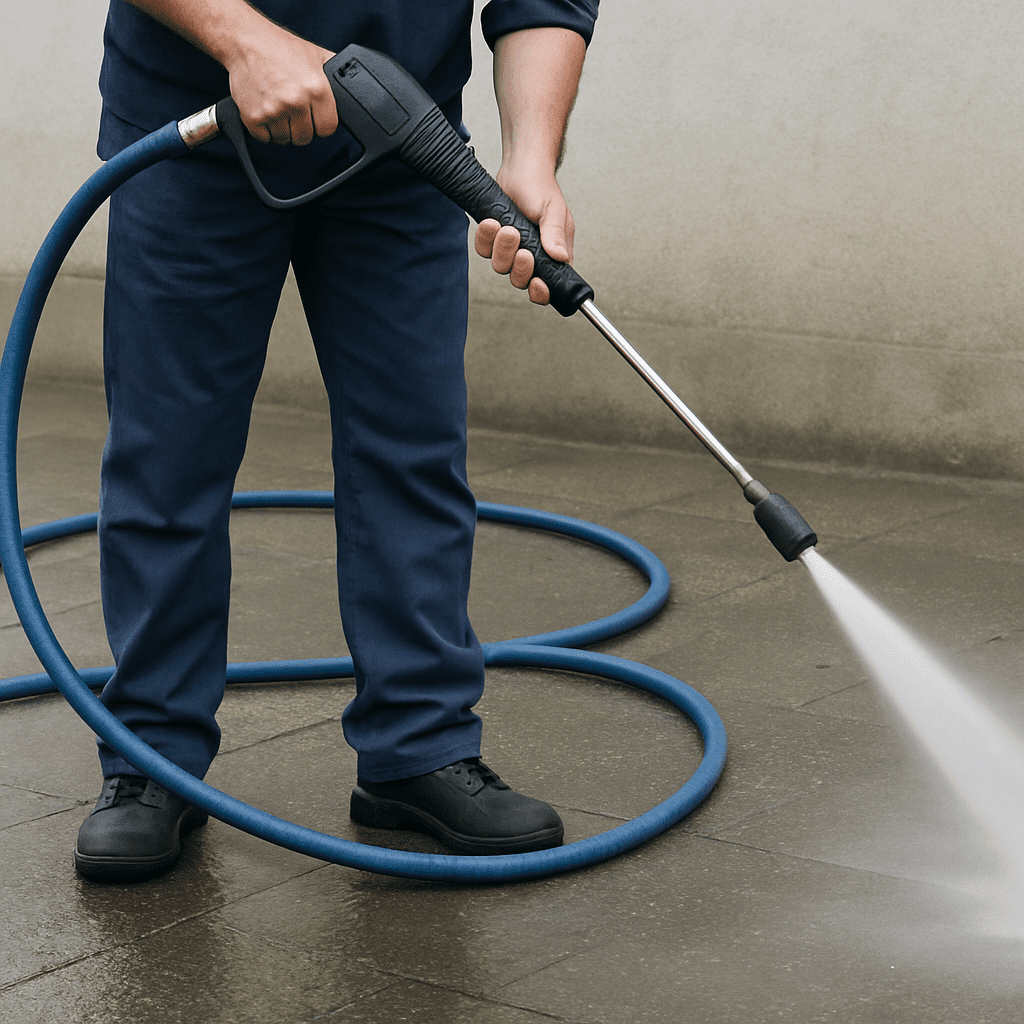
The question often arises: What hose diameter for pressure washer? Experts clearly recommend a 3/4 inch hose for supply lines over 15 meters in length. This ensures that the device does not „starve“ and always draws enough water. For even more demanding tasks, such as pumping out a flooded basement or a pond, the immense Capacity of 1-inch suction hose completely unbeatable.
Measure correctly and avoid errors
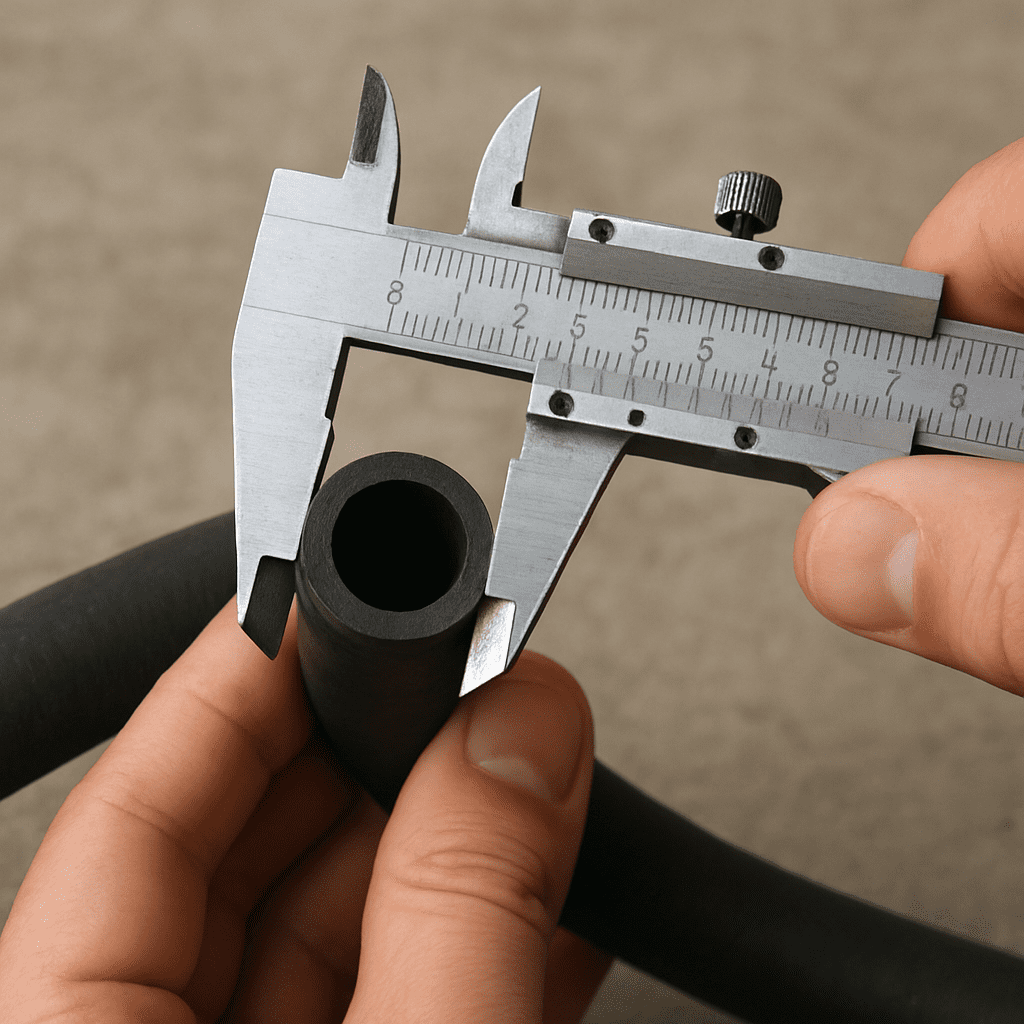
Many DIYers are faced with an old hose and wonder: How do you measure the inner diameter of a hose? A short Instructions for measuring hose sizesIt's best to use calipers. Place the inside measuring jaws directly into the opening of the hose. It is essential to Difference between outer and inner diameter to understand. The outer dimension is irrelevant for the amount of water and varies depending on the wall thickness of the material. Therefore, always measure the inner cavity strictly!
Materials, Standards, and Matching Accessories
When planning your irrigation, you must Find matching hose couplings for inch dimensions. Especially with new purchases, you should definitely Gardena Plug System Compatibility Check. Standard couplings easily accommodate 1/2 and 3/4 inch. For 1 inch hoses, you often need special professional systems made of brass or thick plastic.
When buying, also pay attention to the quality. There are noticeable Material differences between PVC and rubber hoses. Rubber hoses remain highly flexible even at cold temperatures, while PVC is lighter and often less expensive. High-quality products adhere to established DIN Standards for Plastic Hoses (as per DIN EN ISO 3994), which guarantees durability and UV resistance. Also, do not underestimate the Influence of wall thickness on bending radiusA thicker hose kinks much less often, thus not blocking the water flow, but it is a bit stiffer when coiling onto the hose reel.
Conclusion: Choosing the right diameter is no accident. Whether it's a small patio or a huge lawn – those who understand and correctly use the inch measurements ensure smooth and efficient irrigation in every situation.
