
Who doesn't dream of having their own peach tree in the garden, bearing juicy, sweet fruits in late summer? But often, the anticipation in spring is abruptly dampened. The leaves deform, show unsightly discolorations, and eventually fall off. The diagnosis is usually clear: the dreaded peach leaf curl. Many hobby gardeners are looking for gentle methods to protect their plants. The topic of „Peach Tree Leaf Curl: Vinegar as a Home Remedy“ is increasingly coming into focus.
This article will teach you how to protect your tree naturally, what's really important when applying it, and what successful peach tree care looks like to prevent future infections.
Recognizing Symptoms: Why is my peach tree getting red blisters?
Before we move on to treatment, it's important to know your enemy. Many gardeners in the spring ask themselves in alarm, "Why does my peach tree have red blisters?" The answer lies in a persistent fungus called Taphrina deformans.
As soon as the temperatures rise slightly in late winter and moisture is added, the fungus becomes active. The typical signs of an infection are unmistakable:
- Color changes The young leaves turn light green, yellowish, or a strong red.
- Deformations Peach leaves curl, develop unsightly blisters, and appear fleshy and thickened.
- Leaf drop In early summer, the infested leaves dry out and fall off, which severely weakens the tree and massively reduces the harvest yield.
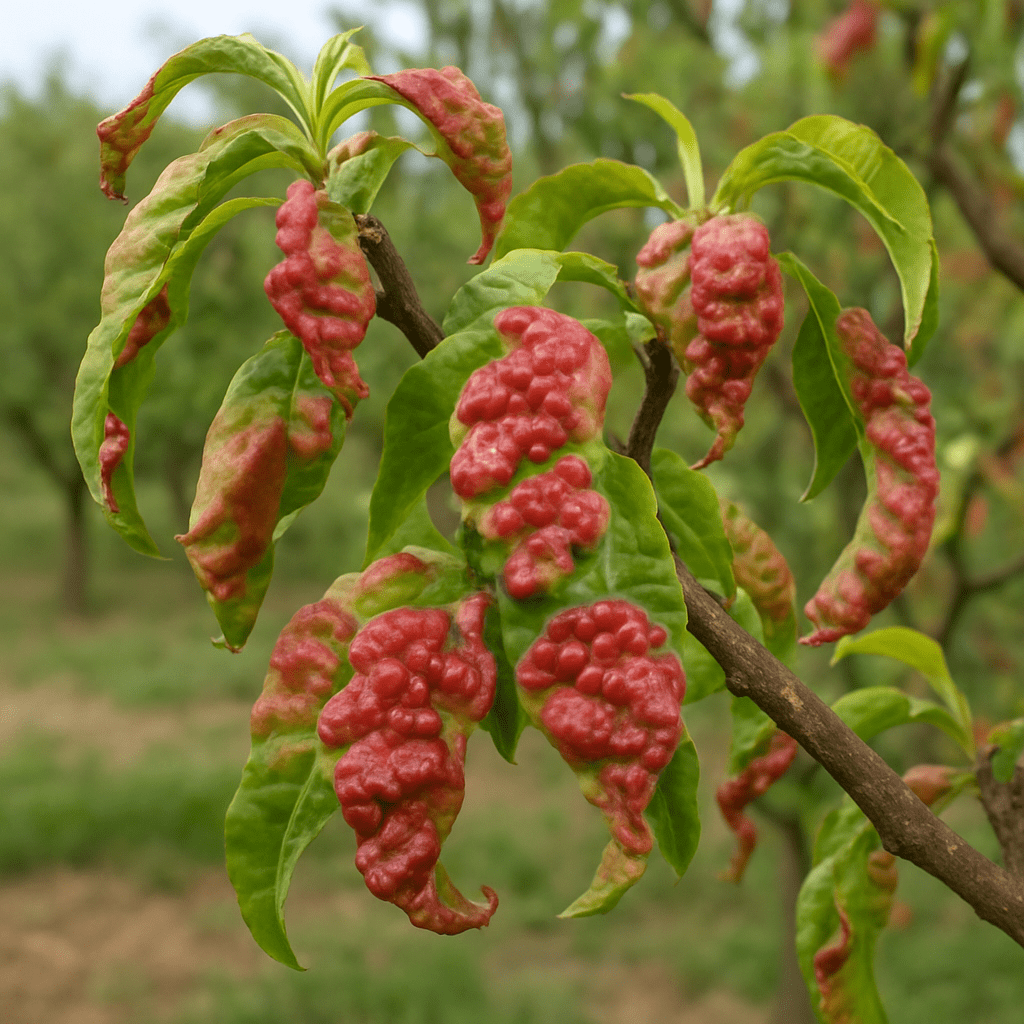
If you the mushroom Taphrina deformans To stop it effectively, you must act early. Once the fungus has penetrated the leaf tissue, it's already too late for the affected leaf.
Peach Tree Leaf Curl: Vinegar as a Home Remedy in Focus
When it comes to peach tree diseases, many quickly resort to chemical warfare. However, there are environmentally friendly ways to biologically combat peach leaf curl. A popular method against the fungus is the targeted use of vinegar.
Vinegar alters the pH on the bark and buds of the tree. Since fungi require a specific environment to germinate, an acidic environment makes it extremely difficult for spores to develop. Thus, the topic „peach leaf curl vinegar“ becomes a valuable component of ecological plant protection.
Vinegar vs. Copper-based Peach Tree Fungicide
Traditionally, copper is often used in professional fruit growing. But how does the comparison look Vinegar vs. Copper-based Peach Tree Fungicide While copper preparations are highly effective, they accumulate in the soil over time and can harm earthworms and microorganisms. Vinegar, on the other hand, breaks down without residue and is therefore one of the best natural alternatives to fungicides. However, it requires more precision in application timing and dosage.
The right time: When to treat a peach tree with vinegar?
The absolute secret to successful treatment lies in timing. The most common question therefore is: When to treat a peach tree with vinegar? The answer is simple, but requires careful observation: In late winter, just before the buds break.
You absolutely must the Bud swelling stage recognition. This is the moment when the buds thicken slightly and the bud scales open a tiny crack, but no green is yet visible. Depending on the weather and region, this can already be the case at the end of January or in February.
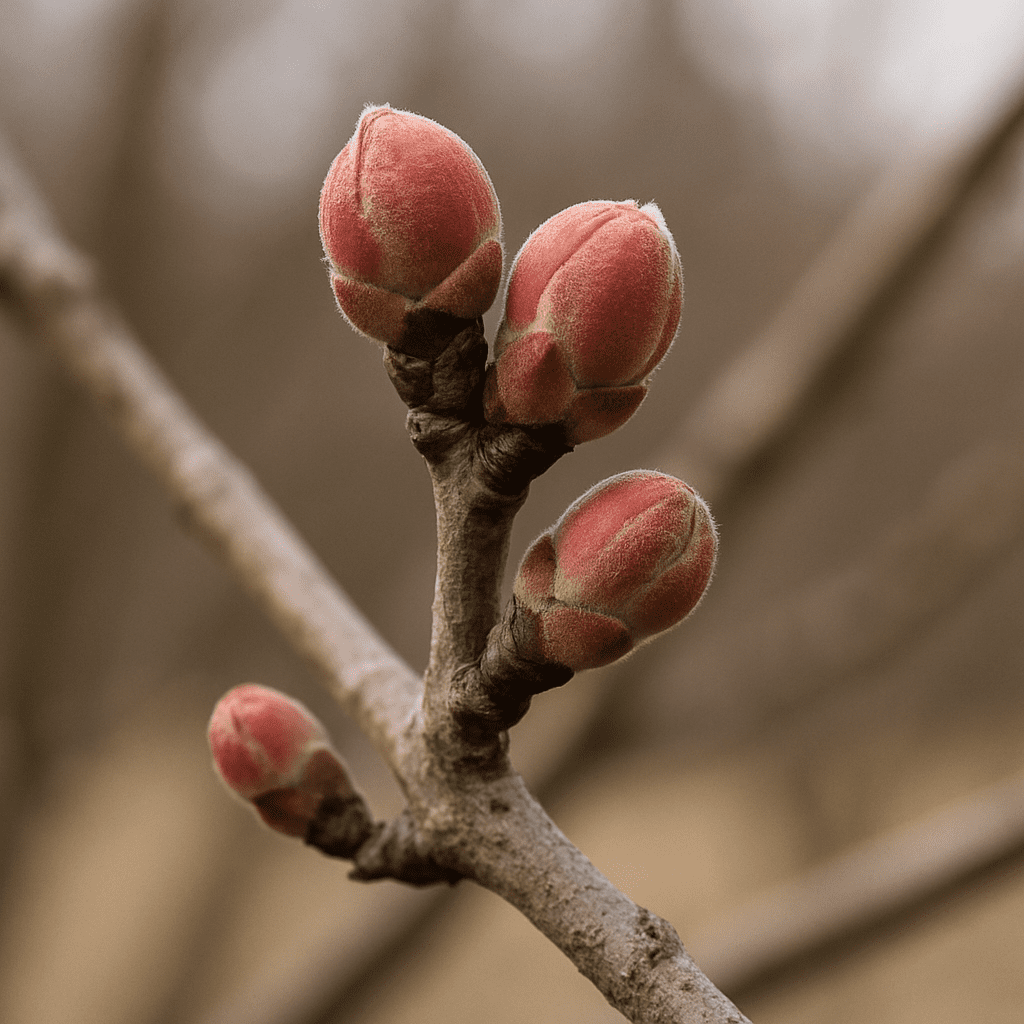
The goal is to be able to destroy the fungal spores in their overwintering sites - i.e., directly on the bark and bud scales - before they are washed into the opening bud by rainwater splash. If you treat the tree too late, after the leaves have already emerged, the spray will be ineffective and the acidic vinegar could even burn the young, delicate leaves.
Instructions Peach Tree Spray Treatment: How to Do It Right
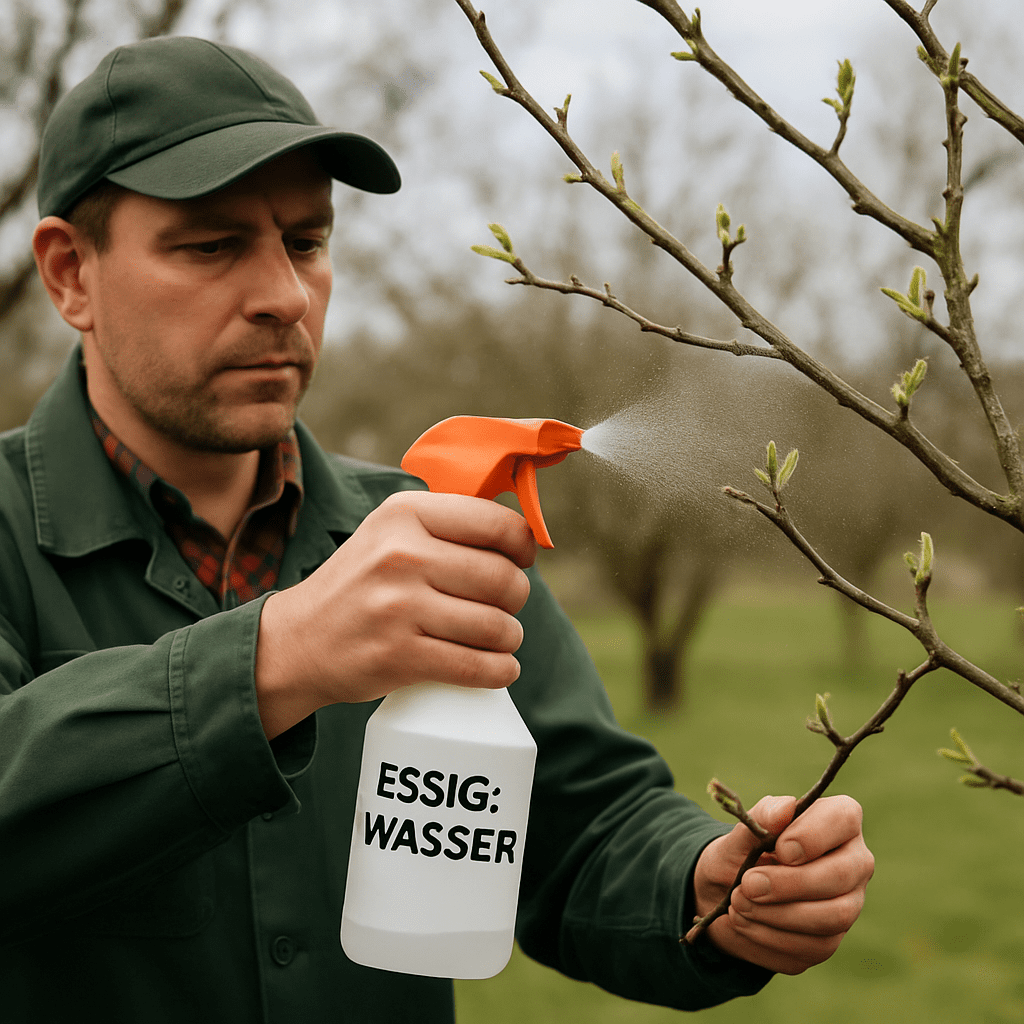
For the home remedy against fungal diseases of peaches to be used safely and effectively, the correct mixture is required. An incorrect ratio can lead to bark damage. Here is a simple and proven Peach Tree Spray Treatment Instructions.
How to make the right vinegar-water mixture to combat fungal infections
Use standard household vinegar (usually 5% acetic acid) or apple cider vinegar. If you want to use concentrated vinegar, exercise extreme caution. The Vinegar essence dilution plants must be done much more thoroughly, as the essence often contains 25% % acid. Too much acid is corrosive!
Recipe for a gentle solution:
- 1 part household vinegar (5% acetic acid)
- 10 parts water
- Optional A little splash of mild dish soap or soft soap. This breaks the surface tension of the water, allowing the solution to adhere better to the branches.
Here's how to apply it:
- Check the weather forecast: Choose a dry, frost-free day in late winter. It should not rain for at least 24 hours afterward.
- Mix to set: Pour the water and vinegar into a standard pressure sprayer (pump sprayer).
- Moisten thoroughly Spray the entire tree until thoroughly wet. Don't forget the trunk, the crotches of the branches, and especially the fine shoot tips where the buds are located.
- Repeat: Depending on the weather conditions (e.g., after heavy rains that wash away the vinegar), you should repeat the spraying every 1 to 2 weeks until the buds break.
Further measures for optimal peach tree care
Treating the symptoms is only part of the solution. A holistic approach is necessary to keep your tree healthy in the long term.
Prevention of leaf curl and resistant varieties
The most effective way to avoid trouble starts before planting. Those who want peace of mind in the long run should Grow resistant peach varieties. Cultivars such as „Benedicte,“ „Revita,“ or the vineyard peach show significantly higher tolerance toward peach leaf curl. Although they are sometimes slightly affected, they quickly recover on their own and essentially shed the fungus by early summer.
In addition, the following aspects of care play a major role in Prevention of leaf curl:
- The right location: Peaches love warmth and air. Plant the tree in a sunny, well-ventilated spot. In locations where the wind can quickly dry the leaves after rain, fungi have a harder time.
- Regular pruning: An airy canopy is essential. Prune the tree properly after harvest or in late winter. Where air circulates, moisture dries faster.
- Strengthening from within Use biological plant strengtheners like horsetail broth. The silicic acid it contains hardens the cell walls of the leaves, making it harder for the fungus to penetrate.
- Garden Hygiene: Always collect infected leaves quickly and dispose of them in the household waste (not on the compost heap!) to reduce the risk of infection for the following year.
Conclusion: Natural protection requires consistency
The approach „Peach Curl: Vinegar as a Home Remedy“ is an excellent and environmentally friendly method for anyone who wants to avoid harsh chemicals in their garden. The vinegar-water mixture is inexpensive, quick to prepare, and ecologically harmless.
However, the key to success is your attentive eye. Only by catching the exact moment of swelling buds in late winter can the home remedy unfold its full effect. Combine this gentle spray treatment with airy tree pruning and the planting of robust varieties. This way, nothing stands in the way of a bountiful, undisturbed peach harvest in summer!
