
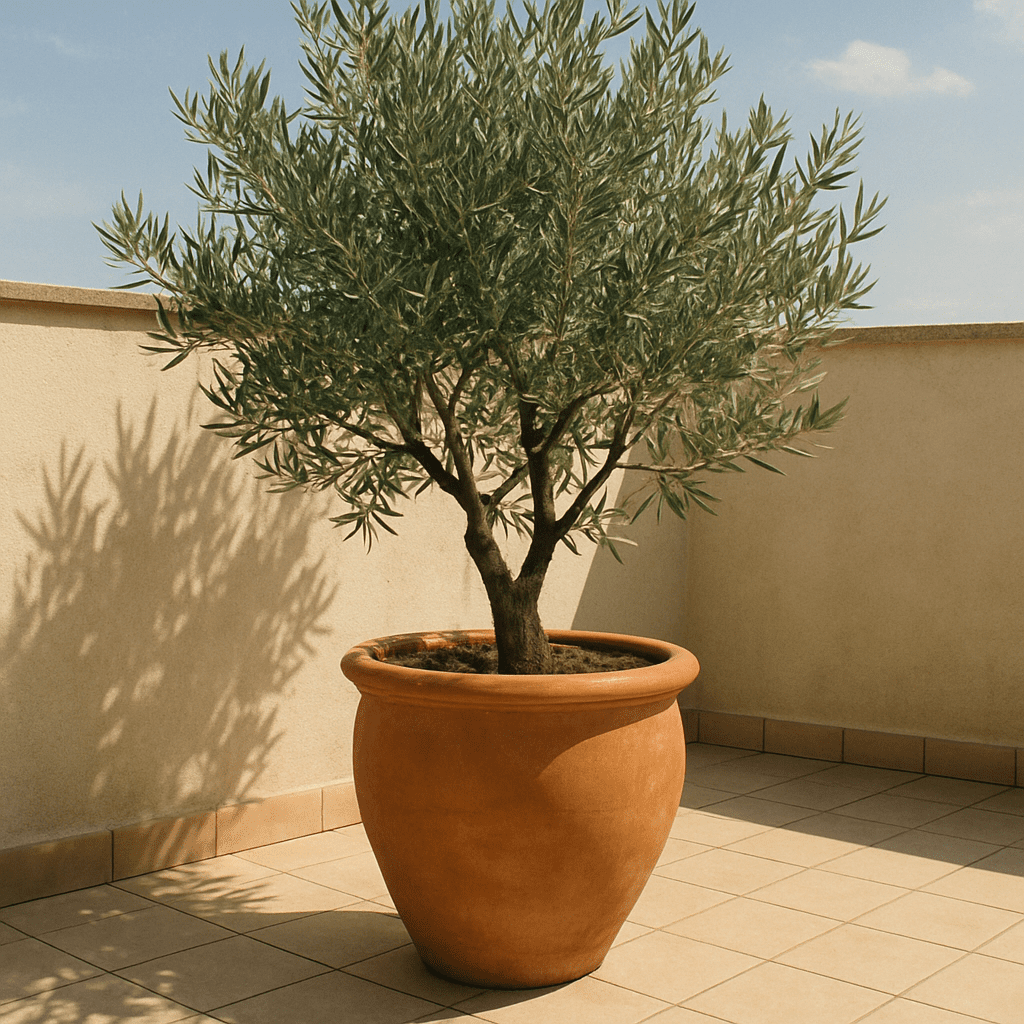
An olive treeOlea europaea) on the terrace or in your own garden immediately evokes a wonderful, Mediterranean holiday feeling. The silvery-green leaves and the gnarled trunk radiate tranquility and longevity. However, as robust as these trees are in their sunny homeland in the Mediterranean, they often struggle with health problems in our moister and cooler latitudes. Fungal pathogens, in particular, love the humid climate.
If you detect and want to treat a fungal infestation on your olive tree, quick action and the right knowledge are crucial. In this comprehensive guide, you will learn everything you need to nurse your Mediterranean favorite back to health and protect it from infections in the future.
Typical Symptoms: Is my tree really sick?
Before you reach for pruning shears or pesticides, an accurate diagnosis is important. Not every change in a tree means the worst.
The Difference: Natural Leaf Drop and Fungal Infection
Many plant owners panic when their tree suddenly sheds leaves in spring or late fall. It is important here to know the difference between natural leaf drop and fungal infection. Although an olive tree is evergreen, it also renews its foliage. The fact that older leaves inside the crown turn yellow and fall off is a completely normal physiological process.
If the olive tree loses leaves due to a fungal infection, the picture looks different: Leaf drop is massive, also affects young shoots, and is usually accompanied by discoloration, spots, or deformities.
The most common olive tree diseases caused by fungi
A fungal infection on an olive tree can manifest in various ways. The more precisely you identify the pathogen, the more targeted your approach can be.
The peacock spot (Spilocaea oleaginea)
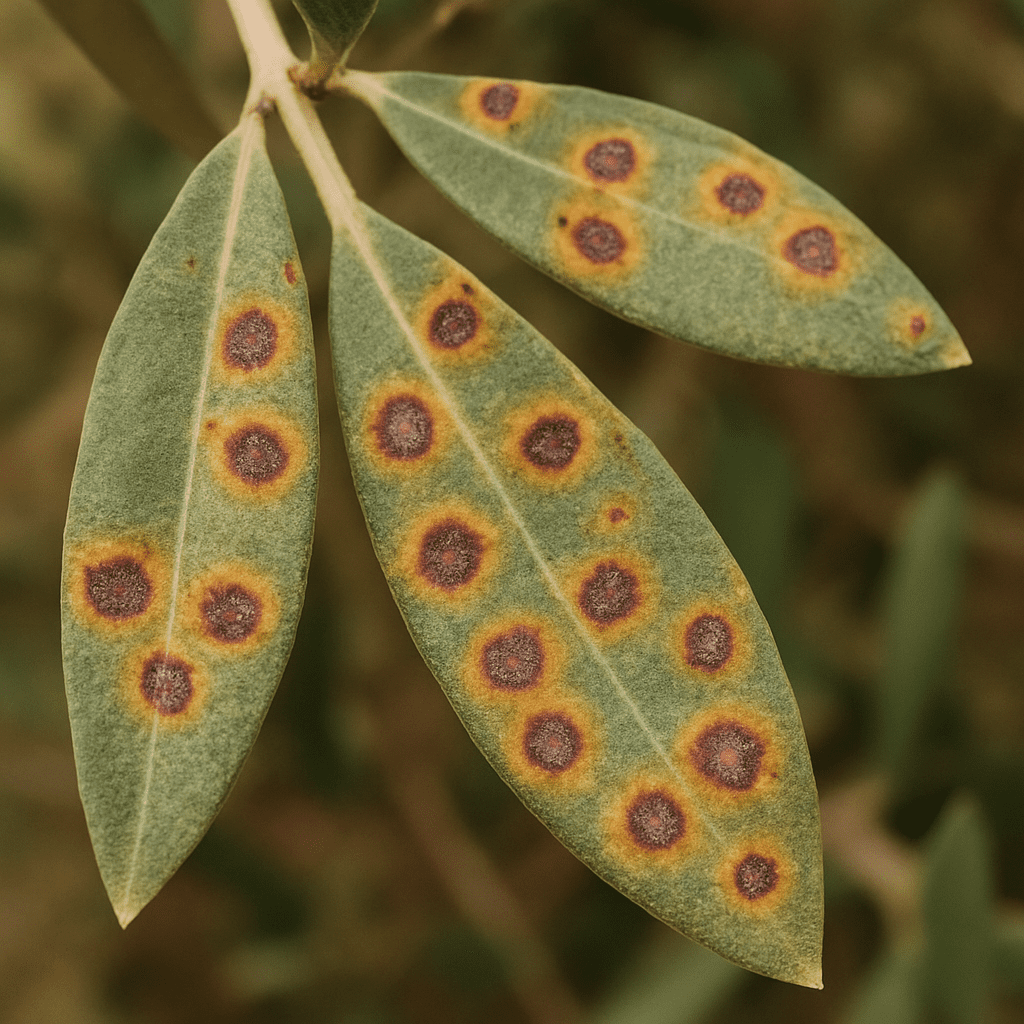
By far the most common fungal disease affecting olives in our regions is olive leaf spot, also known as peacock spot. This fungus spreads rapidly in warm and humid conditions – typical spring or autumn weather.
Peacock spot olive tree symptoms:
- Circular, often ring-shaped spots form on the upper side of the leaves.
- The spots are dark green to brown to blackish and often have a yellow halo (similar to a peacock's eye).
- A clear warning sign: Olive tree leaves have yellow spots that are spreading rapidly.
- In the sequence, the leaves dry up and fall off in large numbers.
Verticillium Wilt
This disease is particularly insidious because the fungus comes from the soil and enters the tree through the roots. It clogs the plant's vascular tissues, preventing water and nutrients from being transported.
Symptoms:
- Individual branches or twigs suddenly wilt and die, while the rest of the tree can look completely healthy.
- The leaves curl up, dry out, and often remain pale gray on the branch.
If you want to combat Verticillium wilt in olive trees, it requires harsh measures, as the fungus is located in the woody tissue (more on this in the treatment section).
Soot dew
Strictly speaking, sooty mold is a secondary disease. It almost always occurs when the tree has previously been infested by pests such as aphids or scale insects. These insects excrete honeydew – a sugary substance. Sooty mold fungi then settle on this honeydew.
Symptoms:
- Formation of a black, soot-like deposit on the leaves.
- Sooty mold olive tree sticky coating: The leaves feel very sticky.
- Photosynthesis is massively hindered by the dark coating, which weakens the tree.
First Aid: Recognizing and Treating Fungal Infections on Olive Trees
Once the disease has been identified, there's no time to lose. A combination of mechanical, natural, and, if necessary, chemical means usually brings the best results.
1. Mechanical measures: Pruning and hygiene
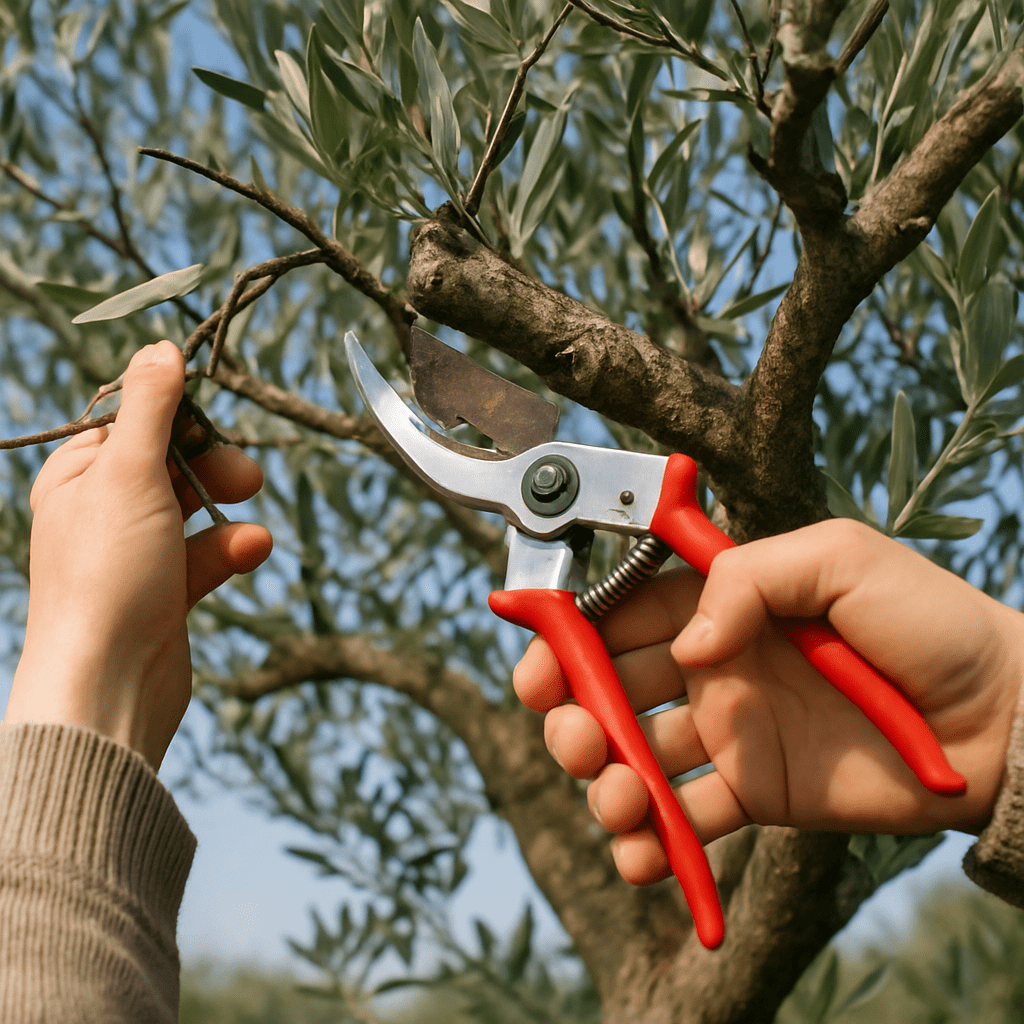
The first step in almost any fungal infestation is to reach for the shears. When you trim infected olive tree leaves due to disease, you remove the source of infection while simultaneously ensuring better air circulation in the tree's crown.
- Cut generously Cut back affected branches to healthy wood. In the case of Verticillium wilt, you must remove severely affected branches completely, as the fungus resides in the wood.
- Disinfect tool Clean your pruning shears with high-proof alcohol after each cut to avoid spreading spores to healthy plant parts.
- Disposal Never put diseased cuttings on the compost! The fungal spores survive there. Always dispose of them in your household waste.
2. Home remedies for fungal infections in olive trees
With a mild initial infestation, especially with peacock spot or the beginning of sooty mold, gentle methods can work wonders.
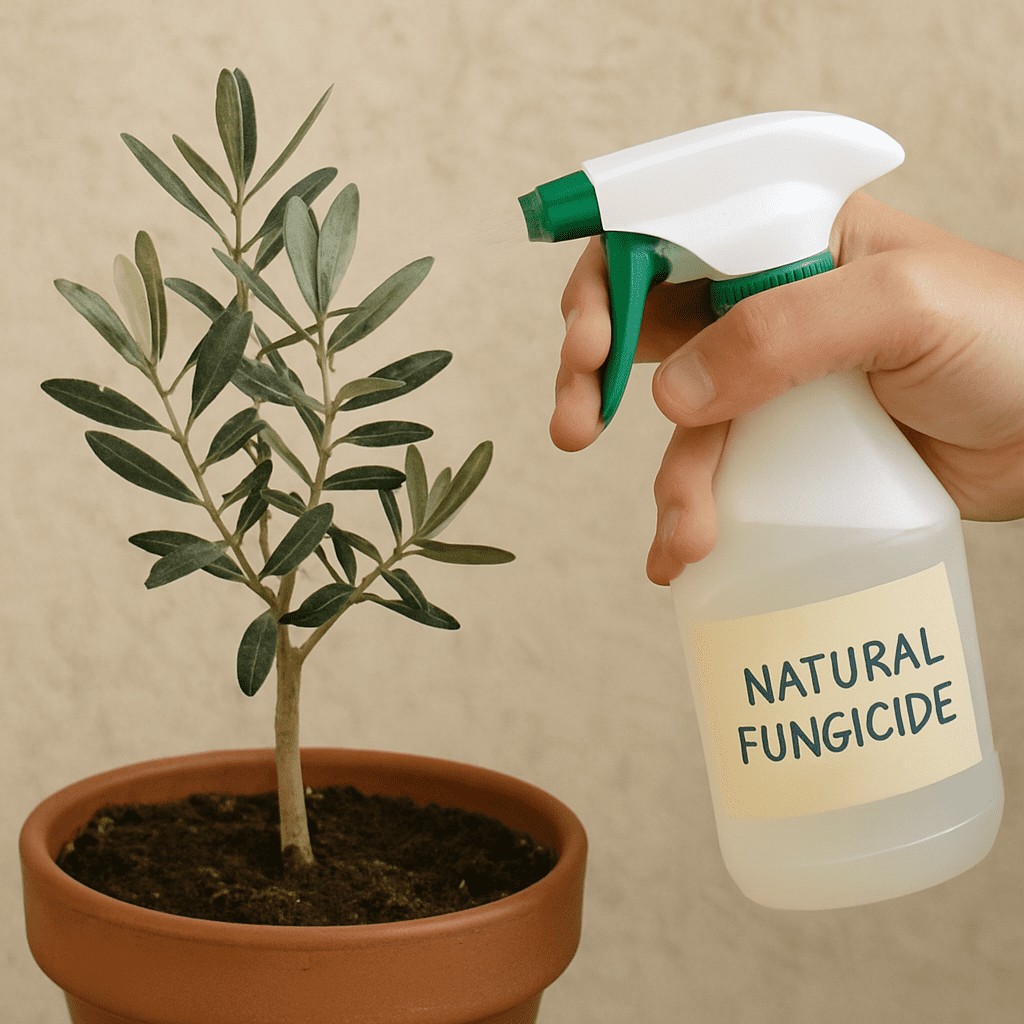
- Milk-water mixture A mixture of fresh raw milk (not UHT milk) and water in a 1:8 ratio can be sprayed on the leaves. The lactic acid bacteria in the milk change the environment on the leaf, preventing the fungus from spreading further.
- Natron solution: Mix 1 teaspoon of baking soda with 1 liter of water and a few drops of mild dish soap (as a wetting agent). Spray the plant until it is dripping wet. The alkaline environment inhibits fungal growth.
- Pest control for sooty mold: Since sooty mold is caused by pests, you must first combat the aphids. Gently wash off the sticky coating with a mild soft soap solution (1 tablespoon soft soap per 1 liter of warm water).
3. The use of fungicides
When home remedies are no longer sufficient and the tree is suffering greatly, the targeted use of plant protection products becomes unavoidable. Many gardeners ask themselves: When to spray olive trees with fungicide? The best time for this is preventatively in early spring before new growth and in the fall, or acutely at the first appearance of symptoms. Avoid spraying in the bright midday sun to prevent leaf burn.
- Copper treatments for olive trees Application: Copper-containing preparations are the standard treatment for peacock spot in professional olive cultivation and also in organic farming. They act preventatively and curb an acute infection. Important: Strictly adhere to the manufacturer's dosage instructions. Copper accumulates in the soil and should therefore be used sparingly and responsibly.
- Biological Alternatives For home users who want to avoid heavy metals, there are excellent biological fungicides for potted plants. Products based on sulfur or wettable sulfur help well against various types of fungi. Extracts from field horsetail also strengthen the cell walls of the leaves with their high silica content, making them more resistant to the penetration of fungal spores.
Tip: To be more confident in identification, it's often worthwhile to search online for an „olive tree fungal diseases image gallery.“ Comparing your own diseased leaves with high-quality reference images from experts prevents incorrect treatment.
Prevention: Proper olive tree care is the best protection
The best way to detect and treat a fungus infestation on an olive tree is to prevent it from occurring in the first place. A healthy tree has its own defenses. Proper olive tree care is the be-all and end-all here.
Adjusting watering behavior: waterlogging is the enemy
Olive trees come from arid, dry regions. Their root system is extremely sensitive to constant moisture. If the roots stand in water, they rot. This weakens the entire tree and makes it a perfect victim for fungi such as Phytophthora or Verticillium.
- Avoid waterlogging Olive tree care: Always plant your olive tree in a pot with large drainage holes. A thick drainage layer of expanded clay, gravel, or terracotta shards at the bottom of the pot is an absolute must.
- Watering an olive tree correctly to prevent root rot: Water thoroughly, but infrequently. Wait until the top 3 to 5 centimeters of soil in the pot are completely dry before reaching for the watering can again. During winter dormancy, watering is reduced to an absolute minimum. Use a well-draining, sandy substrate (special citrus soil or olive tree soil is ideal).
Nutrients: Fertilization to strengthen resistance
A well-nourished tree falls ill less often. However, balanced fertilization to strengthen its resistance should not mean overfeeding the tree with nitrogen. Too much nitrogen promotes rapid, soft cell growth—a feast for fungal spores.
Instead, use a special Mediterranean fertilizer from April to August. In addition to nitrogen, this also contains important potassium and calcium. Potassium regulates the plant's water balance and hardens the cell walls, which helps the tree build natural barriers against the peacock eye fungus.
The Right Location
Mushrooms thrive in stagnant, humid air. Therefore, place your potted olive tree in the sunniest and warmest spot you have (south-facing balcony or south-facing terrace). A light breeze is even beneficial, as it allows the leaves to dry quickly after a rain shower. Regular pruning in spring also ensures that light and air can penetrate deep into the center of the crown.

Conclusion: Don't be afraid of mushrooms!
Recognizing and treating a fungal infection on your olive tree can be annoying, but in most cases, it doesn't mean the end for your plant. With a watchful eye, you can determine early on whether the tree is just shedding old leaves or if an infection is actually present.
Act immediately with a bold pruning at the first signs of symptoms such as circular spots (peacock spot) or sudden wilting of individual branches (Verticillium wilt). Afterward, support the tree with home remedies or appropriate fungicides. If you also adhere to the basics of optimal care – especially avoiding waterlogging and providing adequate nutrients – your olive tree will soon produce new, vibrant silver-green shoots again. This way, you can enjoy your Mediterranean vacation feeling at home for many years to come!
