
Many garden owners ask themselves the same question every week when mowing: Can you just leave grass clippings? The short and happy answer is: Yes, absolutely! However, it largely depends on the right technique and the appropriate timing. If we take a detailed Mulching mower vs. grass catcher comparison When mowing, it quickly becomes apparent that so-called mulching not only saves time but also offers significant ecological advantages – provided that certain basic lawn care rules are followed.
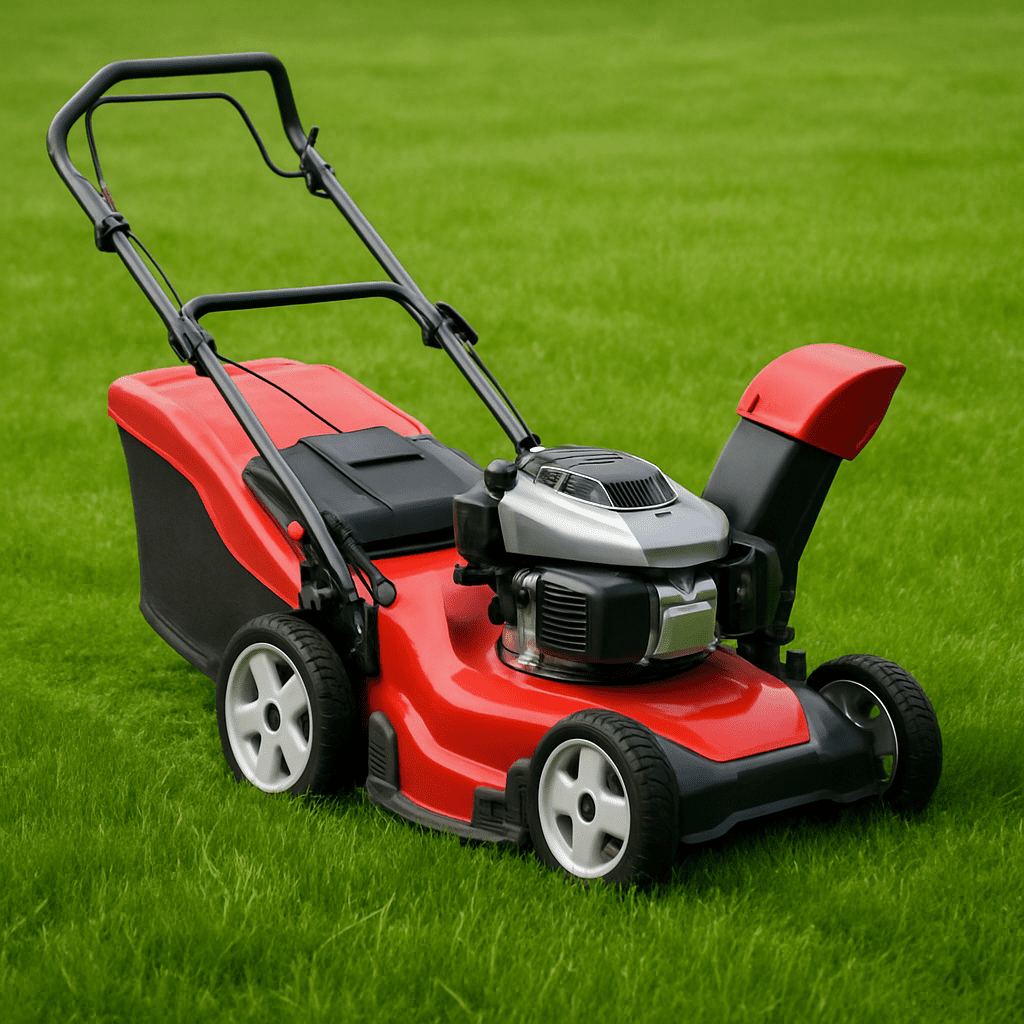
The positives Effects of grass clippings on soil quality
If you regularly the Leave the grass clippings, use the resulting clippings as a free, ecological nutrient provider. A Natural fertilizer from grass clippings forms directly on the surface, because the high Nitrogen content of fresh grass clippings is fed back into the root zone immediately during decomposition. This strengthens the grasses and saves expensive artificial fertilizer in the long run.
More compelling Lawn mowing without a grass catcher benefits are
- Moisture retention through mulch layerEspecially during hot, dry months, the fine cuttings protect the soil from drying out quickly, like an umbrella.
- Activate soil lifeThrough organic material you can incidentally valuable Promoting microorganisms in garden soil, which are essential for healthy and loose soil.
Instructions for proper mulching with a mower
For this concept to work and benefit the lawn, it requires some practice. It's best to mow in dry weather and shorten the grass blades by no more than a third. Special mulching blades chop the grass extremely finely. This allows the Speed up grass clipping decomposition.
However When should grass clippings be removedIf the grass has grown too tall after a long vacation or is very wet from rain, you should use the grass catcher. If thick, wet clumps are left on the lawn, unsightly Yellow spots in the lawn due to grass clippings as well as rot. Gardeners often ask themselves in this context: Does leftover grass clippings harm moss growthWhen done correctly and finely mulched, the lawn is strengthened and moss is naturally suppressed. However, if dense, suffocating layers remain, this weakens the grass, and moss spreads unimpeded. To Preventing thatch buildup through proper mowing Therefore, the cut material must not be too long to guarantee this.
How often to mulch the lawn in summer and alternative utilization
During the main growing season, you should ideally mow once or twice a week. In periods of extremely vigorous growth, the question inevitably arises: Leave grass clippings or compost themIf the grass is already too long for fine mulch, compost is the clearly better choice. Simply mix the green clippings with dry branches and leaves there to create valuable compost.
Exceptions: First and last cut of the season
Not every point in the garden year is suitable for foregoing the grass catcher. For example, can you Leave the first grass clippings after sowing.The clear answer is: No. Young, delicate grasses need a lot of light and air after germination. The damp clippings would simply crush the tender seedlings.
Likewise, you should not Leave the last lawn clippings on the ground., before winter sets in. In wet and cold autumn weather, the grass no longer decomposes properly, forms a slimy layer, and promotes dangerous fungal diseases such as snow mold.
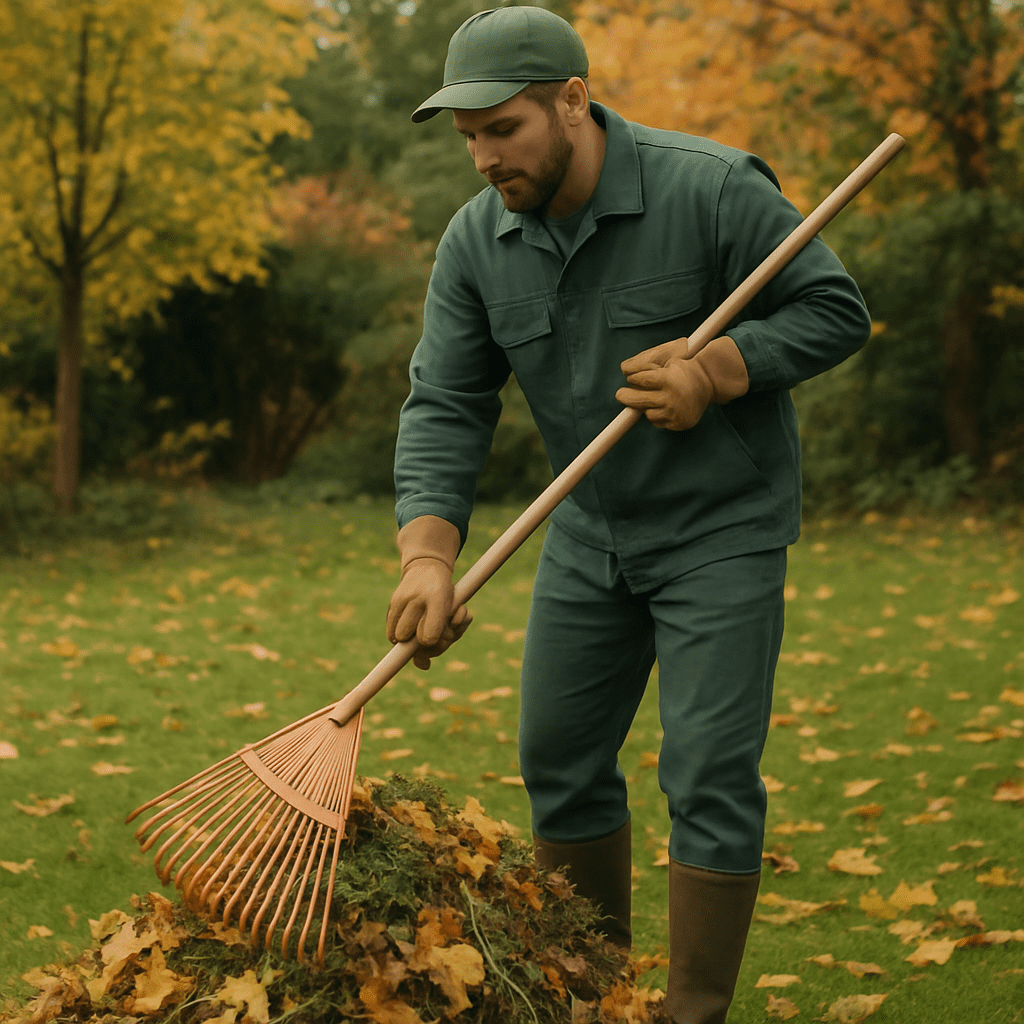
Conclusion: Those who observe the basic rules of mulching save themselves the annoying task of emptying the grass catcher and maintain their lawn naturally. If you mow often enough and pay attention to the correct grass length, your garden will reward you with dense, resilient, and lush green.
