
A magnificent plum or damson tree in your own garden is a true blessing – until the first signs of diseases or pests appear. If the leaves wilt, the fruits rot, deform, or the trunk oozes sap, quick action is needed. This comprehensive guide on Plum and Damson Tree Diseases with Pictures helps you quickly identify and effectively treat the most common problems.
There are diverse Diseases, plum tree and plum, which can drastically reduce yield or even destroy the tree in the long run. From fungal infections to stubborn viruses and physiological disorders – those who correctly interpret the symptoms can save their fruit tree. In this article, we will go into detail on typical Plum tree diseases one, classify the damage patterns, and show you practical solutions.
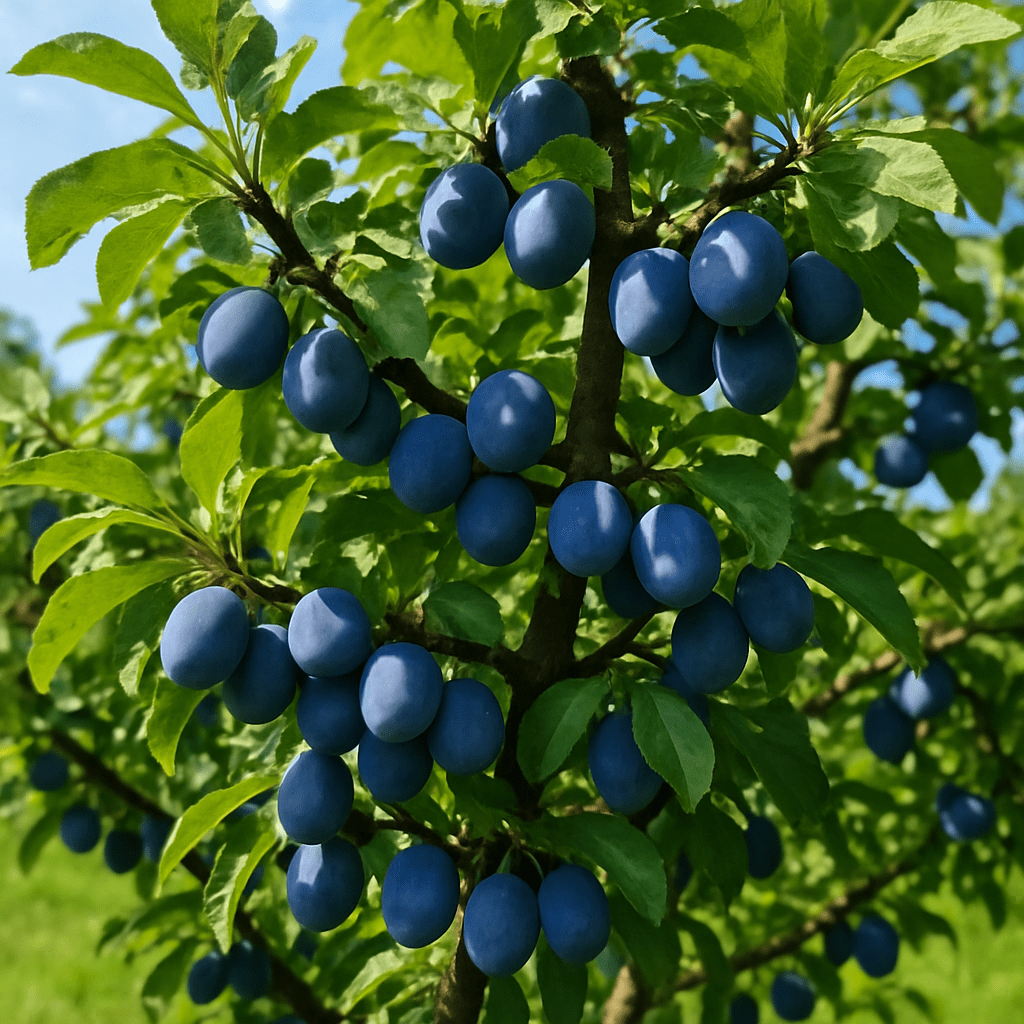
Common fungal diseases in plums and prunes
Fungal spores are often enemy number one in the orchard. They thrive particularly well in warm, humid weather, overwinter in autumn leaves or on mummified fruits, and can significantly weaken the tree.
Monilia (Shothole and Brown Rot)
One of the most well-known and feared pathogens for stone fruits is the Monilia fungus. It appears in two different forms: as "witches' broom" in spring and as fruit rot in summer. If you Identifying and Combating Monilia Fruit Rot If you wish, you should pay attention to the following signs:
- Tip dieback symptom: Shortly after flowering in spring, blossoms and shoot tips dry up abruptly, as if they had frozen. They often remain hanging on the tree throughout the summer as withered skeletons.
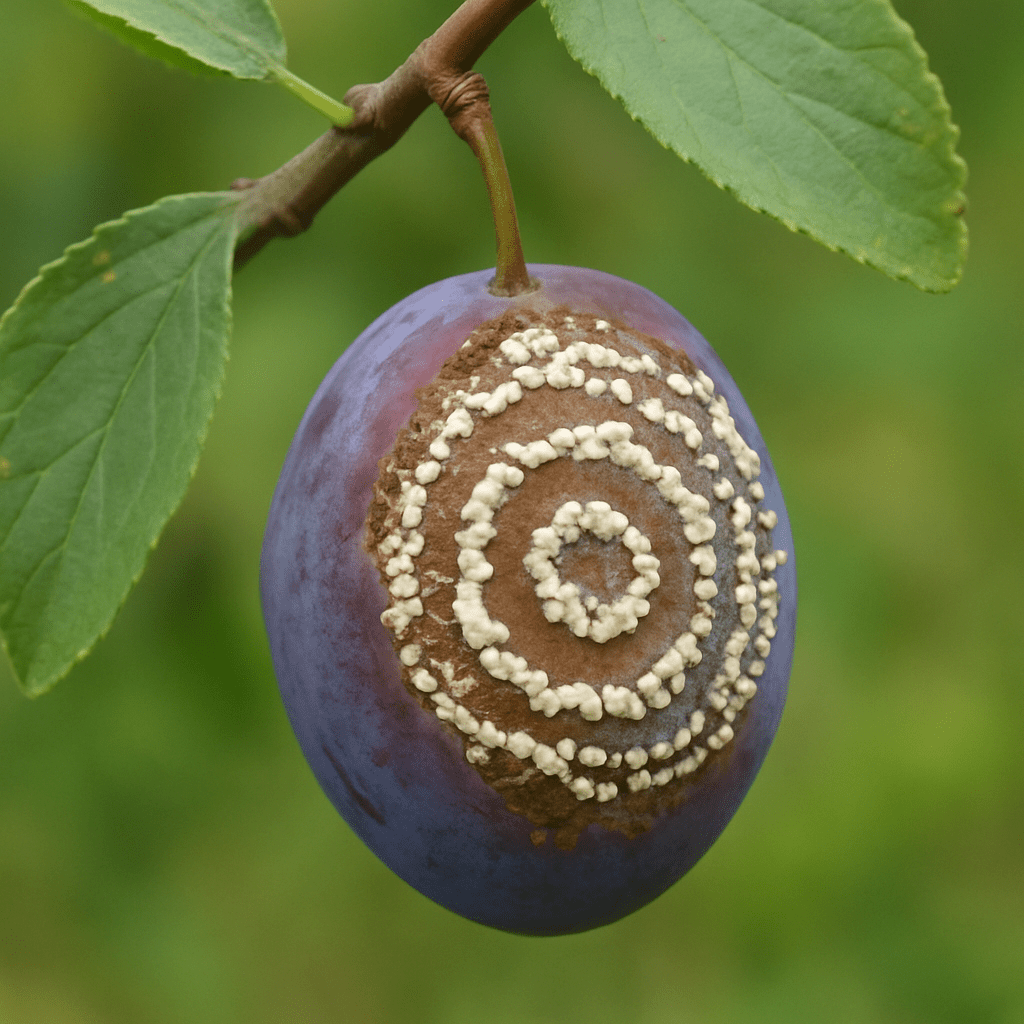
- Symptom: Fruit rot The fruits rapidly develop brown rot spots starting in early summer. A short time later, concentric, yellowish-white mold cushions (the so-called spore masses) form on these rot spots.
- Combat Remove infested fruits – including the dried-out „fruit mummies“ remaining on the tree – immediately. They are the main source of infection for the following year. In the case of dieback, cut back the dried shoots into healthy wood by about 15 to 20 centimeters.
Plum rust
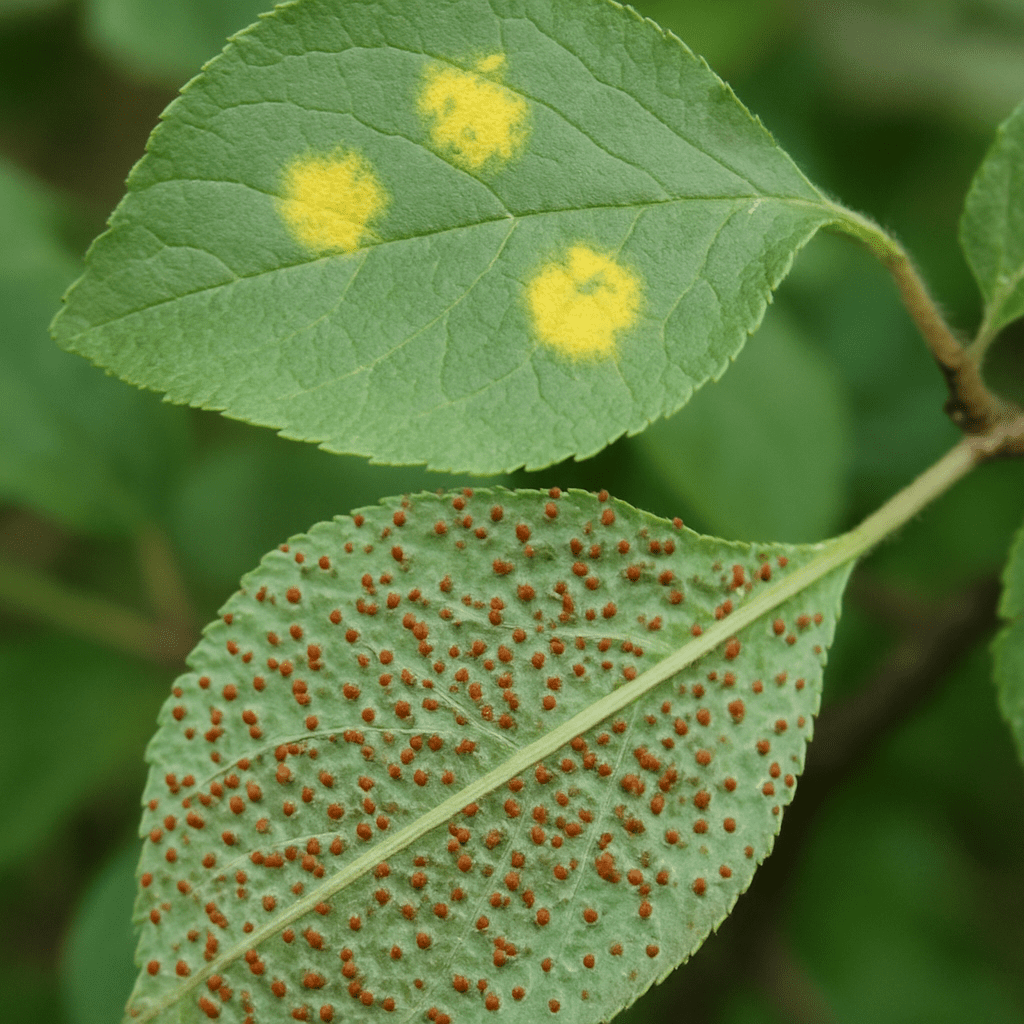
When fruit growers talk about Plum tree diseases leaves research, they will inevitably encounter plum rust. This fungal disease usually appears in the second half of summer.
- Symptom: Initially, small, angular, yellowish spots appear on the upper surface of the leaf. If the leaf is turned over, small, dark brown to rust-red pustules form on the underside. With a severe infestation, the tree sheds its leaves as early as August, which extremely weakens it for the coming winter and the next bloom.
- Combat Who goes Plum rust home remedies Anyone looking for advice on pest control is well-advised to use horsetail broth. The high silica content in horsetail strengthens the cell walls of the leaves, making it more difficult for the fungus to penetrate. In addition, absolute garden hygiene is important: fallen leaves must be completely collected in autumn and disposed of with household waste (not compost!).
Fool sickness (pocket disease)
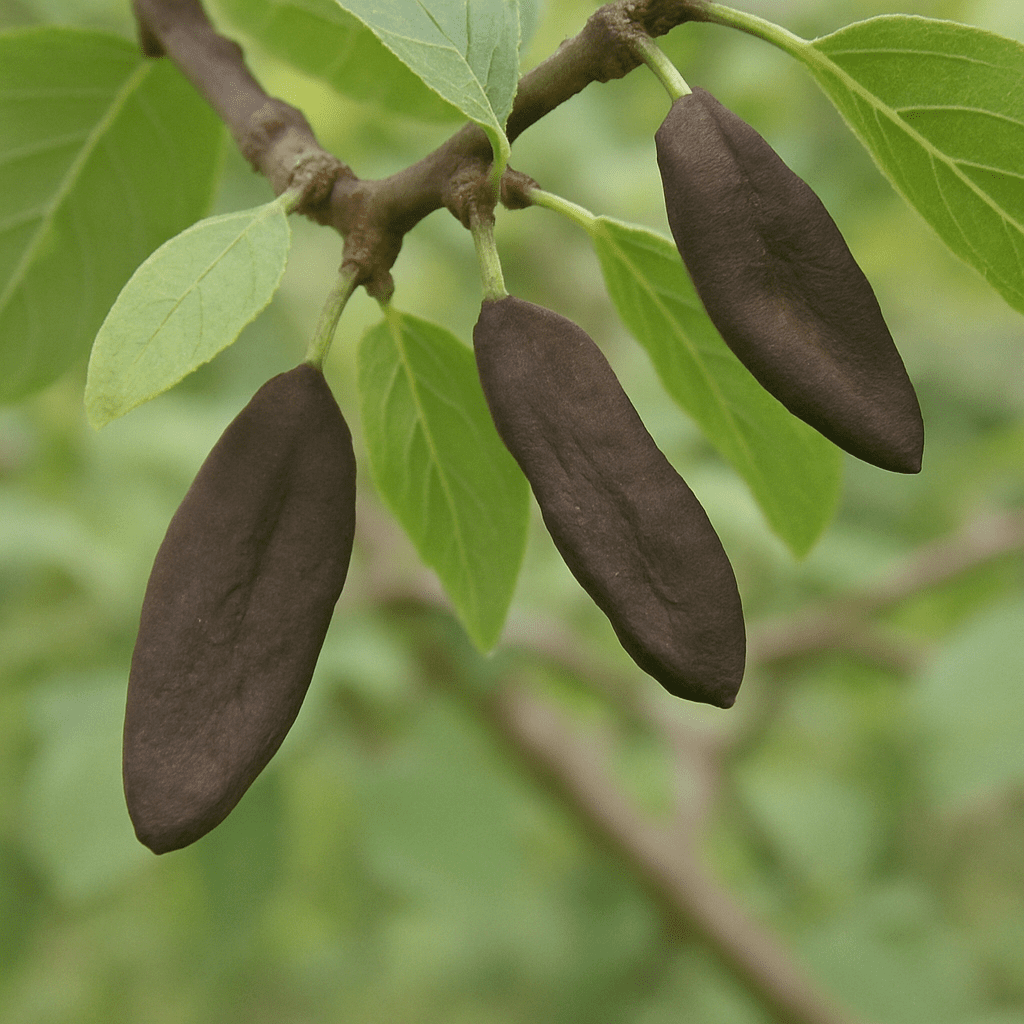
An extremely bizarre phenomenon in the orchard is the fool's disease, caused by the fungus Taphrina pruni.
- Symptom: The Plum bacterial spot is unmistakable. The fruits grow unnaturally quickly, become very long, bend, and remain flat. Since no pit forms inside, they appear hollow like small „pouches.“ Later, a powdery, whitish fungal growth covers them before they turn brown and dry out.
- Combat Pick all the stunted „fool's plums“ as early as possible before the white fungal growth (spores) appears. Proper crown pruning also helps to make the tree more airy so that the leaves and fruits dry faster after a rain shower.
Powdery mildew and downy mildew
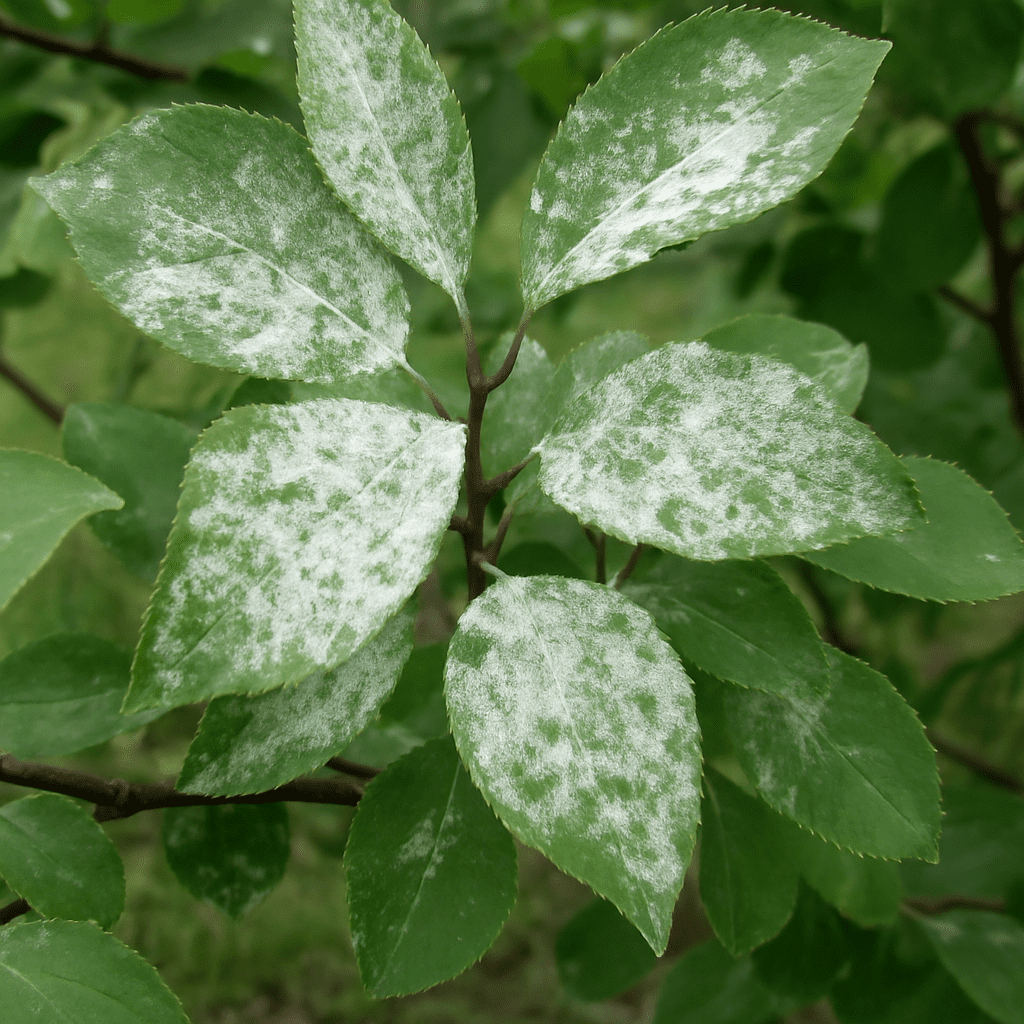
Powdery mildew can affect almost any garden plant, including stone fruits. When diagnosing, it is essential to distinguish between Powdery mildew vs. Downy mildew on fruit trees to know.
- Symptom: White coatings on plum leaves, White, powdery spots that resemble flour dust and can be easily wiped off are a classic sign of powdery mildew. It primarily appears on the upper leaf surface and usually occurs during dry periods (fair-weather fungus). Downy mildew (foul-weather fungus) penetrates deeper into the plant tissue. It often appears as a fungal growth on the underside of leaves, while yellowish to brown spots typically form on the upper leaf surface.
- Combat Powdery mildew can be effectively treated organically. Spraying with a mixture of untreated cow's milk (fresh milk) and water in a 1:8 ratio works very well. The lactic acid bacteria contained within effectively combat the fungus.
Viruses and Bacteria: Serious Dangers for Fruit Trees
While fungi can often be well managed with proper care and tree pruning, viral and bacterial infections often present a far greater challenge.
Plum Pox Virus
Plum pox virus is considered the most dangerous viral disease for plums and prunes. In many regions, it is even a notifiable disease!
- Symptom: The Shark disease symptoms leaf changes often appear as early as late spring. Light green to olive green rings, bands, or lines develop on the leaves. For the fruits, the symptoms are fatal: they often drop prematurely, show sunken, pock-like spots and grooves. The flesh turns reddish in these areas, becomes rubbery and tough, and tastes bitter.
- Combat Unfortunately, there is no cure for the virus itself. A heavily infested tree must be completely removed to prevent it from spreading to neighboring fruit trees. Transmission occurs mainly through aphids.
Bacterial blight (Pseudomonas syringae)
Bacteria mostly enter the tree through fine frost damage, cracks in the bark, or wounds in the fall and winter.
- Symptom: If you Bacterial canker stone fruit identification When pruning, pay special attention to the trunk and main branches. Sunken, dark areas of bark will appear here. A tough, rubbery liquid often oozes from these infection sites. The leaves also suffer: they develop brown spots that fall out later, leading to the typical „shot-hole symptom.“.
- Combat Infected branches must be generously pruned back into healthy wood on dry days. Important: Disinfect your saws and shears with alcohol after each individual cut to avoid spreading the bacteria to other branches yourself!
Fruit tree canker
Although the name suggests a different cause, apple tree canker isNectria galligena) is triggered by a fungus. However, because it causes deep bark and wood diseases, it is often mentioned in the same breath as bacterial wound infections.
- Symptom: Open, unsightly wounds form on the branches and twigs. The tree desperately tries to cover this injury with strong callus formation (wound tissue). This results in bulging, tumor-like thickenings and malformations on the branches.
- Combat Whoever has Fire blight treatment guide Whoever is looking for [this information] should follow this procedure: Cancerous wounds must be cut out with a sharp, clean knife deep into healthy, light wood (best done in late summer). Smooth the edges. Severely affected branches, where the wound already extends halfway around the branch, should be sawn off completely.
Further damage patterns and physiological disturbances
It's not always a dangerous pathogen that's to blame when a tree is suffering. Stone fruit trees often react to extreme environmental conditions, stress, or poor care.
Gum flow (Gummosis)
Many garden owners are alarmed when they discover large, amber-colored drops on the trunk.
- Symptom: Sticky, jelly-like masses ooze from the bark or branch crotches and harden in the air.
- Causes The Gum flow in plum trees: causes are extremely diverse. Important to know: Gummosis is not an independent disease but a symptom of tree stress. Triggers can be persistent waterlogging, severe frost damage in winter, overly drastic pruning, extremely compacted soil, or an underlying infection (like the bacterial blight mentioned above).
- Treatment Fight the cause, not just the symptom. Optimize the location by loosening the soil, avoid waterlogging, do not over-fertilize with nitrogen, and limit pruning to a tolerable level.
Premature fruit drop
It's one of the most frustrating experiences for any gardener: The tree looks promising in May, but suddenly in early summer, the lawn is littered with small green fruits.
- Causes To the frequently asked question „Why do unripe plums fall from the tree?“there is usually a natural answer. This is often the so-called „June drop.“ The tree regulates its fruit load itself if it has set more blossoms than it can supply with nutrients and water. Other causes for extreme fruit drop can be prolonged drought stress, potassium deficiency, or a massive infestation by the plum sawfly.
- Solution: In periods of extreme dryness in May and June, ensure deep watering. Organic fertilizer applied at the right time will also secure the nutrient needs of ripening fruits.
Pest infestation on plum and damson trees
Besides diseases, insects also make life difficult for fruit trees. Anyone who early Identifying Pests on Plum Trees can prevent crop failure.
The plum moth
An unwelcome guest that almost everyone has involuntarily encountered is the small caterpillar inside the ripe fruit.
- Symptom: The Plum fruit moth damage symptoms usually first by a tiny hole in the skin of the plum, from which a small drop of resin or brownish caterpillar droppings often emerges. The affected fruit turns blue prematurely („premature ripeness“) and falls from the tree. Inside, a small, pinkish-white caterpillar eats its way through the flesh towards the pit.
- Combat At the end of May, hang pheromone traps (codling moth or oriental fruit moth traps) in the tree. These attract the males, thereby reducing the fertilization of the females. Additionally, you can tie corrugated cardboard collars around the trunk in midsummer. The caterpillars seek out these hiding places to pupate and can then be disposed of along with the cardboard.
Aphids and plum sawfly
Aphids cause leaves to become stunted, weaken new growth, and excrete sticky honeydew, on which black sooty mold can settle. A soap solution or encouraging beneficial insects (like ladybugs or lacewings) usually helps quickly. The plum sawfly, on the other hand, lays its eggs directly in the blossom. The hatching larva then hollows out the very young, still green fruit. This can be recognized by a larger, black bore hole on very early fruit drop. Here too, collecting fallen fruit is the most important remedy.
Prevention and Care: How to Keep Your Tree Healthy
The best disease is one that never breaks out. With the right precautions, you can significantly minimize the risk of damage.
Focus on resilience when choosing varieties When you plan to plant a new tree, be sure disease-resistant plum varieties for the garden. Varieties like the plum ‚Jojo‘ (considered absolutely frost-resistant!), ‚Haganta‘, or ‚Katinka‘ have proven themselves in home gardens and are much more resistant to many classic pathogens than older, susceptible varieties.
2. Grooming and Hygiene A airy canopy ensures that wind and sun quickly dry leaves and fruit after rain. Cut out overly dense branches. And never forget hygiene: Rotten fruit and diseased cuttings must be immediately removed from the garden.
3. Targeted plant protection in spring A well-timed Spraying schedule for fruit trees spring can nip many infections in the bud.
- Spring bud break spray Using biological rapeseed oil preparations before bud break smothers overwintering pest eggs.
- Fungal Prevention In professional cultivation, often Copper preparations against fungal diseases used (e.g., against shot hole disease). For the hobby gardener, however, copper agents should remain the last resort to avoid an accumulation of the heavy metal in the soil. Instead, use plant-strengthening alternatives such as wettable sulfur or regular horsetail sprays.
Conclusion
The regular check and diagnosis of Plum and Damson Tree Diseases with Pictures greatly simplify work in the home orchard. Even if the appearance of Monilia, rust, or plum pox at first seems frightening: with quick pruning, strict hygiene, and site-appropriate care, almost all adversities can be overcome and Diseases, plum tree and regarding plums, successfully brought under control. Observe your trees carefully and intervene at the first signs of symptoms – your tree will thank you with a rich, sugar-sweet harvest!
